Afghan Christian refugees in Pakistan fear forced return to Taliban-controlled Afghanistan
Afghan Christian refugees living in Pakistan say growing deportation efforts have left them fearing a return to Taliban-controlled Afghanistan, where converts from Islam face severe persecution, according to a March 3 report by the Pontifical Institute for Foreign Missions (PIME).

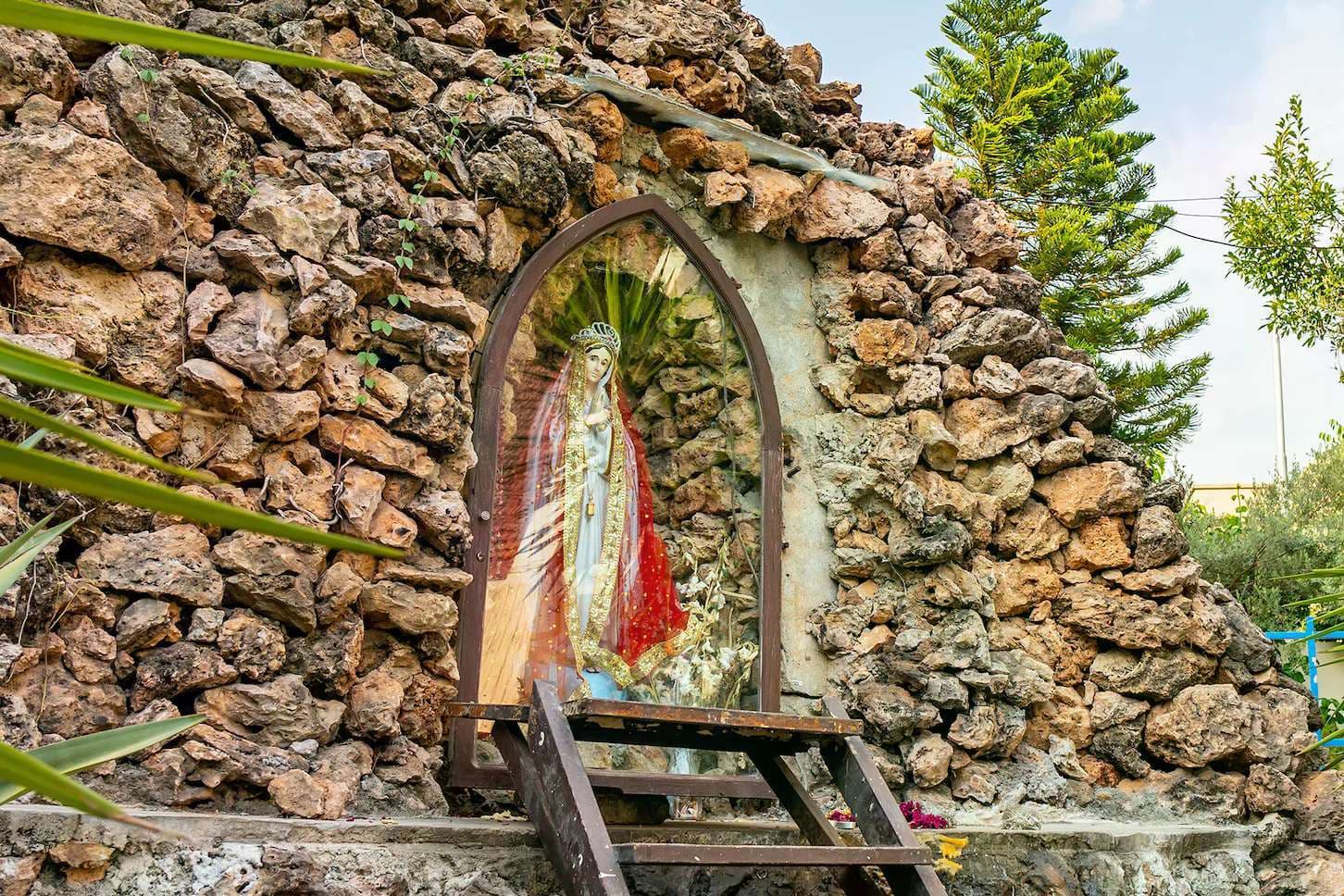
Afghan Christian refugees living in Pakistan say growing deportation efforts have left them fearing a return to Taliban-controlled Afghanistan, where converts from Islam face severe persecution, according to a March 3 report by the Pontifical Institute for Foreign Missions (PIME).
Christians flee Taliban persecution
According to the report, many of these Afghan Christians fled to Pakistan after the Taliban seized power in Afghanistan in 2021.
In their home country, Christian converts from Islam faced the risk of “severe persecution, imprisonment, or worse, because of their faith,” as leaving Islam is considered apostasy under the Taliban’s interpretation of Islamic law.
One Afghan convert, identified as Mastora, whose name was changed for security reasons, described to PIME how those fears continue to shape daily life even after fleeing Afghanistan.
Mastora is registered with the United Nations High Commissioner for Refugees in Pakistan. But that registration does not grant permanent residency or guarantee protection from deportation, according to the report.
Like many of these Christian refugees in Pakistan, “she cannot safely return to Afghanistan, but she also has no clear pathway to permanent resettlement,” the report said, noting that many refugees in similar situations spend years waiting with only limited assistance and goodwill of local communities.
“Mastora's situation reflects a broader, largely invisible crisis affecting Afghan Christian families scattered across Pakistan,” the report stated.
Refugees fear deportation back to Afghanistan
According to PIME, the situation has worsened as Pakistan steps up deportation campaigns targeting undocumented Afghan migrants. Even these refugees with documentation sometimes fear detention or being sent back across the border, where life-threatening persecution awaits them.
“Many live in constant fear of arrest, detention, or forced repatriation, uncertain whether their documents will be recognised at checkpoints or during police operations,” the report stated.
The fear of detection has forced some families to limit their movements, keeping children at home and avoiding hospitals, schools, and government offices, according to the report. Women and girls can face particular risks, including social isolation and safety concerns, especially when widowed or separated from male relatives.
Many families arrived traumatized after fleeing violence or threats in Afghanistan. Parents worry about their children’s safety, while cramped housing and the inability to work legally often push households into debt or dependence on charity.
Aid workers also report widespread psychological distress among refugees who have endured persecution and now face an indefinite future, including anxiety, insomnia, and depression.
Christian converts also fear hostility and threats if their religious identity becomes known. “Public visibility could expose them to threats, stigma, or unwanted scrutiny, both from hostile actors and from the precarious legal environment surrounding undocumented or partially documented migrants,” PIME wrote in the report.
Faith communities often become one of the few sources of support. Churches and local Christian groups quietly provide food, counseling, and spiritual assistance to families in need.
Still, for refugees like Mastora, the long wait for safety has left their lives on hold.
“I don’t want to hide forever,” Mastora said. “I want my children, and all families like ours, to grow up without fear.”
.jpg&w=3840&q=75)


Comments