Amid concerns of late-term abortion expansion in Scotland, bishop urges politicians to promote life
His message comes after an abortion law review advisory group made recommendations to the government that would effectively allow abortion up to birth.

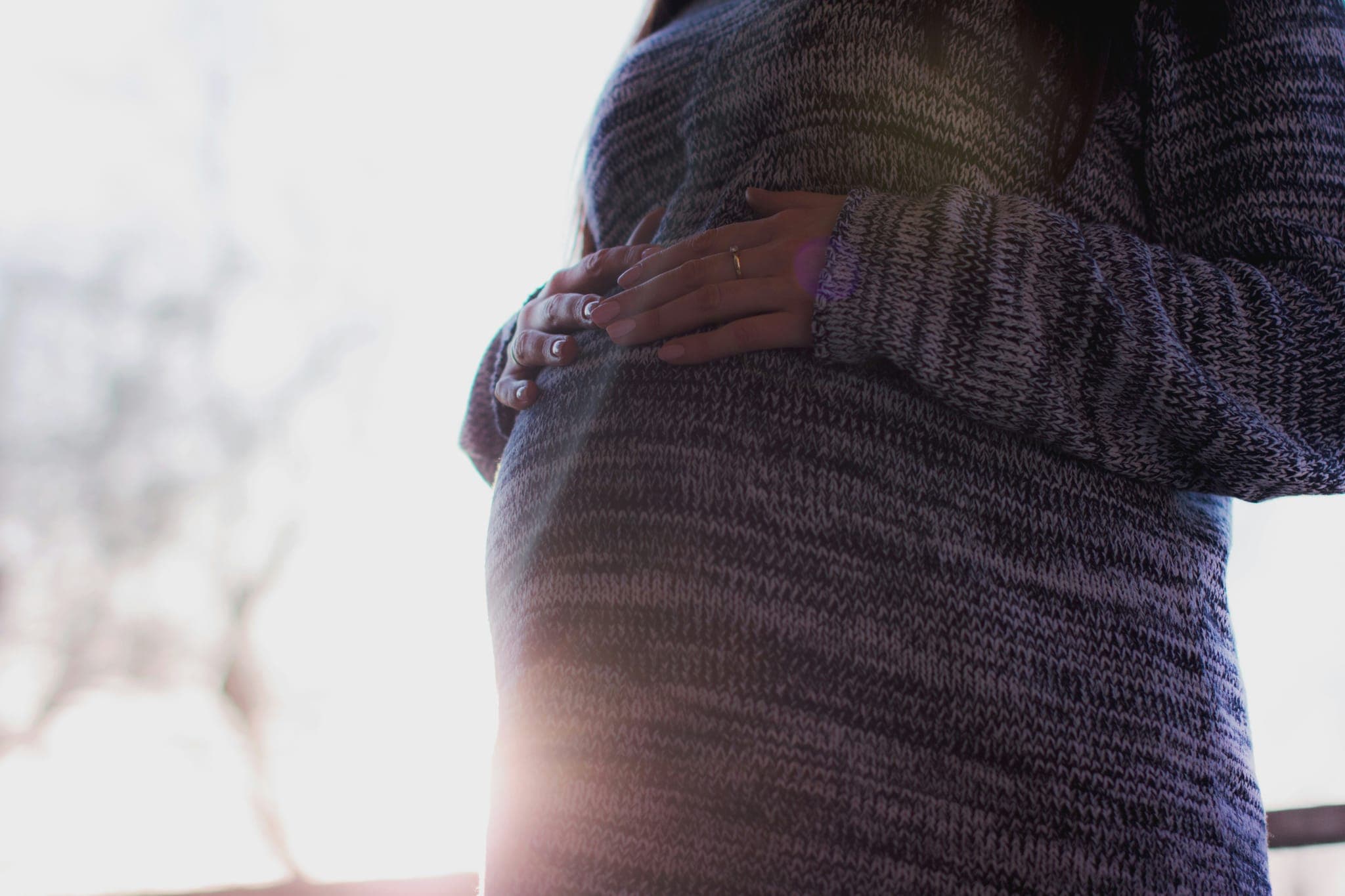
A society that cares for the vulnerable should not increase abortion access and instead offer hope and help to women and children, a local bishop said this month in an appeal to Scottish politicians.
“I recognise the real fear, pressure and hardship that can accompany an unexpected or crisis pregnancy,” Bishop John Keenan said in the Sept. 3 message. “Women in such circumstances deserve compassion, practical assistance, emotional support and the assurance that neither they nor their children will be abandoned. A truly caring society must respond to vulnerability by offering hope and help, not by making abortion more readily available at later stages of pregnancy.”
The message from the bishop, who is president of the National Office for Marriage, Family and Life for the Bishops’ Conference of Scotland, comes after Minister for Public Health Maree Todd recently said the Scottish Government would follow through with consulting on pro-abortion recommendations made by the Abortion Law Expert Group.
The Herald Scotland reported that Todd also said there are “no plans” to reform abortion law in 2026-2027. Todd’s comments were a response to a question by Member of Scottish Parliament (MSP) Paul McLennan raised Sept. 3 in the Scottish Parliament about plans to reform abortion law, in light of the expert group’s November 2025 independent report recommending expanding abortion law.
According to Bishop Keenan, the government’s response to McLennan’s question was a reaffirmation of its plan to consult on the recommendations, as well as “to establish a nationally commissioned later-stage abortion service in Scotland.”
He said that the advisory group excluded pro-life voices and argued that it “lacks both legitimacy and credibility,” denouncing its recommendations because they would effectively allow abortion up to birth for any reason and remove the current requirement of a two-doctor approval for abortions up to 24 weeks. He also criticized the report’s recommendation that future legislation on abortion should not reference sex-selective abortion; he warned that this would allow for unborn children to be killed simply because they could be considered the wrong sex.
“The establishment of later-stage abortion provision in Scotland, alongside proposals to weaken existing legal safeguards, raises grave moral and social questions,” he said. “Every unborn child is a unique human life deserving of protection, and every mother should be supported in ways that uphold her dignity and the dignity of her child. I therefore make a direct appeal to all elected representatives who recognise the inherent dignity of every human life, to reject any further liberalisation of abortion provisions in Scotland and to oppose measures that would remove essential safeguards or further weaken protection for unborn children.”
He called on the Scottish government and all MSPs to prioritize policies that increase maternal support and lessen pressures to abort children. The policies also should cultivate a society that welcomes and protects every life from conception until natural death.
“Scotland should aspire,” he concluded, “to be a nation where compassion means standing with both mother and child.”







Comments