Analysis: New data contradicts media contentions that marriage, children lead to unhappiness
Recent studies are challenging media narratives that married people — especially women — with children are less happy than people who are single or childless.

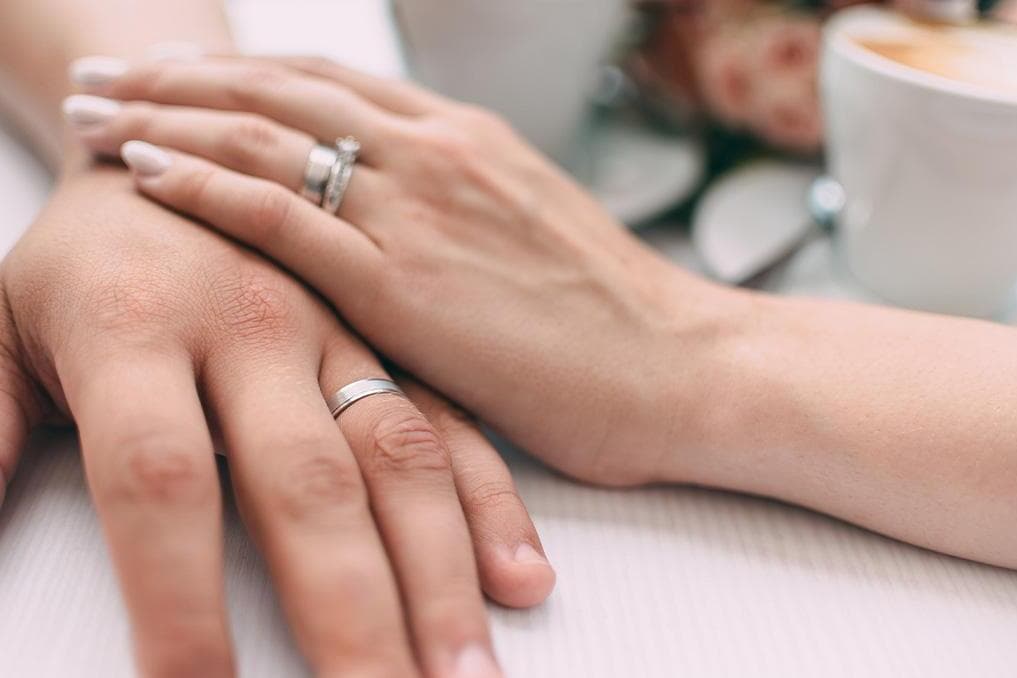
Recent studies are challenging media narratives that married people — especially women — with children are less happy than people who are single or childless.
Four researchers — Jean Twenge, Jenet Erickson, Wendy Wang, and Brad Wilcox — released their study on the topic in August, through the Institute for Family Studies and the Wheatley Institute.
Referencing previous studies, they found that the majority of Americans say that men who marry and have children are happier than those who do not, but the same belief does not hold true about women. Only 32% of women say that married women with children are happier than unmarried, childless women, according to one report, while Pew discovered in 2024 that just 45% of single women said they eventually wanted to have children.
“Clearly, many single women today perceive getting married or becoming a mother to be transitions of loss. But is this perception true?” the researchers reported. “New data paint a different picture.”
According to their report, the 2022 General Social Survey found married mothers to be happier than single childless women, married childless women, and unmarried mothers. The researchers also conducted their own study in March 2025, surveying 3,000 US women aged 25-55, to “better clarify how marriage and motherhood are linked to women’s happiness.”
They found that 19% of married mothers said they are “very happy,” compared with 10% of unmarried childless women. Forty-seven percent of married mothers said their lives were enjoyable, while 34% of unmarried women without children said the same.
The researchers also found that married women with children were less likely to be lonely than unmarried childless women (11% vs 20%). Women who were married but childless were the least lonely category (9%) and unmarried mothers were the most lonely (23%).
The findings contradicted a common narrative that marriage means social isolation, the researchers found. They also noted that those without children are reporting more difficulties making new friends, which they surmised could be a result of the digital age.
“That is, since the rise of the smartphone, marriage and motherhood may have become more important for facilitating social connections and protecting against the atomization now being induced by new technologies,” the researchers reported. “So it’s possible that, today, women with family ties have more social ties than women without a spouse or children.”
Their study also found that married women with children report high levels of physical touch, which they noted has been linked to relaxation, increased trust, and emotional wellbeing, while decreasing loneliness. Married mothers were also more likely to report having a clear sense of purpose. Unmarried mothers were the next most likely category to report having purpose in their lives, followed by unmarried childless women and married childless women.
The researchers noted that motherhood comes with challenges, including feelings of exhaustion and overwhelm, that childless women do not generally face. However, they concluded that “Despite the challenges associated with family life for women—including more stress and less time for oneself—there is no question that marriage and motherhood are linked to greater female flourishing on many other fronts.”
They later added, “Marriage appears to offer a stabilizing and supportive context that lifts the burdens of motherhood, while strengthening happiness, connection, and meaning. That reality should invite our best efforts, both culturally and politically, to support and strengthen single mothers even as we also work to increase the likelihood and quality of marriages.”










Comments