ANALYSIS | Why JD Vance says mass deportations will fix Americans’ economic troubles
The Vice President recently suggested that mass immigration is largely responsible for burdensome housing prices and rent and low wages for American workers. Data supports his claims.
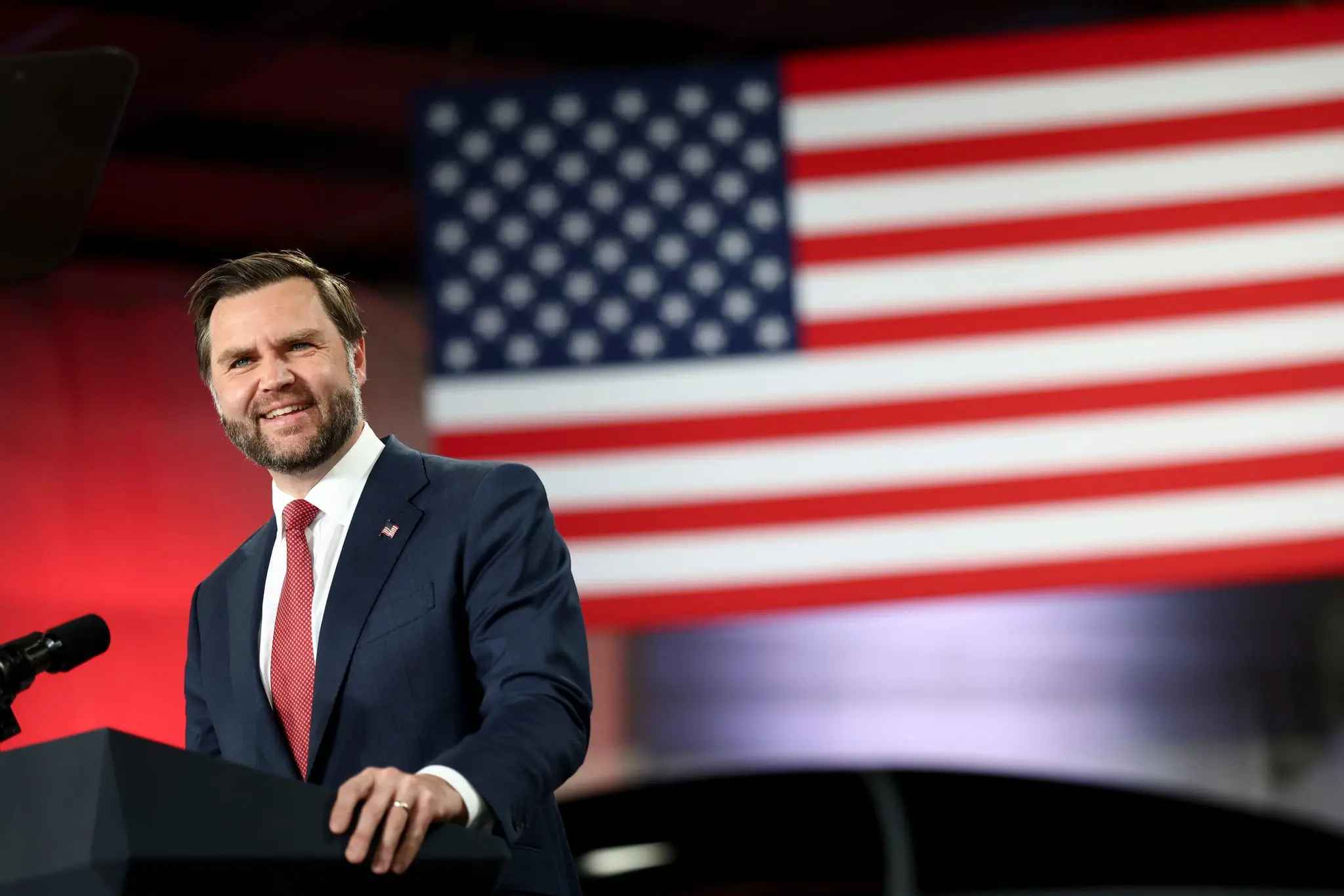
Vice President JD Vance is keeping his sights trained on President Donald Trump’s signature issue: immigration.
Ahead of the 2024 election that returned Trump to the White House, immigration was consistently ranked by voters as one of the top two most important issues, along with inflation. A September 2024 Pew Research Center survey found that 81% of voters ranked inflation and affordability as one of the most important issues, and 61% of voters included immigration. A Gallup poll conducted in October of that same year similarly found that the economy and immigration were rated the most important issues for voters.
In recent months, the economy and affordability have remained at the forefront of voters’ minds, while immigration has taken a back seat. A May 2026 Pew Research Center survey found that immigration has fallen from being a “very important” issue for 48% of voters in February to mattering only to 38% of voters. Inflation, affordability, and the economy, however, remained critical issues for voters.
A September survey from Fox News similarly reported that the largest share (34%) of voters ranked cost-of-living as the most important issue ahead of November’s midterms, while 14% named jobs and the economy more broadly, and only 8% pointed to immigration. Likewise, a Napolitan News Service poll found that nearly half (43%) of voters ranked the economy as the single most important issue going into November, compared to 8% who said the same of immigration.
In a Sept. 29 interview with podcaster Vince Coglianese, Vance connected affordability, the economy, jobs, and a host of other issues to immigration enforcement.
“A lot of the problems that exist in American society would be solved — not all of them, but — just by deporting illegal aliens,” he said.
“Lower housing prices, lower rents, lower violent crime statistics,” he continued. “One of the reasons why we have a historically low murder rate is of course because we've been supporting law enforcement, but also because we've gotten a lot of violent criminals out of the United States of America.”
Vance pointed out that issues like housing affordability and job availability are directly linked to mass immigration — and suggested that mass deportations are the solution to those same problems.
“It's basic supply and demand,” he said, adding that “if you get rid of all these people who are competing against Americans for homes, then it's going to cause home prices to go down.”
“Also, by the way, if you deport a lot of people who are competing against Americans for jobs, it's going to raise wages for middle class Americans. Both of those things are obviously a consequence of supply and demand,” the vice president continued. “The fact that you don't see an association between dropping a million illegal aliens into a state and the upward pressure that would put on home prices — you have to be economically blind to not see that. Unfortunately, that's true of a lot of our leadership.”
‘Lower housing prices, lower rents’
Vance’s assertions have been backed up by data. A March 6, 2026, research paper from the Federal Reserve Bank of Dallas analyzed administrative microdata and found that mass immigration — especially illegal immigration — measurably increased housing and rent prices for Americans while decreasing wages for American workers.
The major “inflows” of illegal aliens between 2021 and 2024 “raised local house prices and rents without expanding housing supply, consistent with a housing demand shock in the face of short-run inelastic supply,” wrote the paper’s authors, Federal Reserve Bank of Dallas Assistant Vice President Xiaoqing Zhou and San Francisco Federal Reserve Bank Vice President of Microeconomic Research Daniel J. Wilson.
Zhou and Wilson also found that illegal immigration “reduced labor income per capita, consistent with downward wage composition of the local workforce, and strongly reduced government transfers.”
According to Zhou and Wilson’s research, an increase in the illegal alien population in a locale equivalent to 1% of the local workforce raised local housing prices by 2.2% and rents by 1.4%. Between 2021 and 2024, illegal immigration accounted for 30% of the increase in home prices and 20% of the increase in rents. The study examined only illegal immigration and did not address foreign nationals in the U.S. under asylum, temporary protected status, and other immigration-related programs.
A 2025 report from the Department of Housing and Urban Development (HUD) similarly concluded that mass immigration drives up housing prices and rents, especially in low-income areas.
HUD investigated “worst-case housing needs,” which it defined as Americans who are low-income but do not receive government assistance or welfare and who pay more than one-half of their income toward housing costs.
“Between 2021 and 2023, cases of worst-case needs remained elevated at 8.46 million households, virtually the same as the 2019-to-2021 period,” the report found. “One key cause of elevated worst case needs is immigration.”
The flow of millions of illegal aliens into the U.S. between 2021 and 2024 “contributed to a significant increase in housing demand, thus driving up housing prices,” the HUD report found. “In fact, in some markets, immigration has accounted for nearly all of the increase in housing demand in recent years.”
Furthermore, economic growth over the same period was “insufficient to lift the wages of low-income renting families high enough to make rent affordable.”
Since demand for housing was significantly higher than supply due to the influx of illegal aliens, HUD found that fewer than 60 affordable housing units were available per 100 American renters considered “very low-income” and fewer than 40 affordable units were available per 100 American renters considered “extremely low-income.”
American wages
Multiple studies have also concluded that mass immigration suppresses American wages, especially in “low-skill” fields, such as construction, truck driving, landscaping, and others.
In one example from 2023, Center for Immigration Studies research director Steven Camarota and demographer Karen Ziegler concluded that decreased immigration — as seen between 2016 and 2019 during the first Trump administration — yielded higher weekly wages for U.S.-born workers without a bachelor’s degree and generally increased employability for the same demographic.
“The period 2016 to 2019 is especially interesting because immigration (legal and illegal together) generally rises during economic expansions,” Camarota and Ziegler wrote.
“But the economy grew significantly in the three years before Covid even as immigration fell, likely because of Trump administration policies,” they continued. “This combination of economic growth and lower immigration may have increased the earnings of less-educated U.S.-born workers.”
Between 2016 and 2019, real weekly wages (adjusted for inflation) for American workers increased by 3.2%, while the annual rate of immigration (both legal and illegal) fell to 400,000. From 2012 to 2016, the annual average increase in immigration was 730,000 and correlated to a decrease in wages for American workers.
An earlier 2003 study from George Borjas similarly anticipated that an increase in foreign workers willing to work for less pay than native-born workers would negatively impact American workers’ wages.
For a 10% increase in the workforce composed of foreign nationals, Borjas predicted that American workers generally would see a short-term 3% decrease in wages, while “low-skill” workers would see an 8% decrease. Long-term, capital would adjust and American workers generally would see little continued decrease in their wages, while “low-skill” workers would continue to see a 5% decrease in wages.
The ‘fix everything’ button
Like Trump and some of his top advisors, Vance has hammered on the immigration issue as an opportunity to cure many of the ills plaguing the American people. As the head of the White House anti-fraud task force, Vance has tied rampant fraud — totaling hundreds of billions of dollars — to mass immigration and lax vetting and enforcement.
Highlighting fraud committed by Somali immigrants in Minnesota, Vance called the problem a microcosm of the fraud in the U.S. system. “Politicans like it because they get power. Welfare cheats like it because they get rich,” he added. “But it's a zero sum game, and they're stealing both money and political power from Minnesotans.”
The Vice President has also called for curtailing major avenues of legal immigration, averring that the programs are rife with fraud and abuse — all at the expense of American workers. Speaking aboard Air Force 2 on Oct. 2, he suggested dismantling the H-1B visa program, which is often touted by proponents as bringing the “best and brightest” foreign workers to the U.S.
“If you’re going to bring in an accountant making $45,000 a year to replace an accountant who is an American making $60,000 a year, that’s not you using the program to bring in a genius. That’s you destroying American jobs and defrauding the American people,” he said. “My view is the H1-B program is completely broken.”
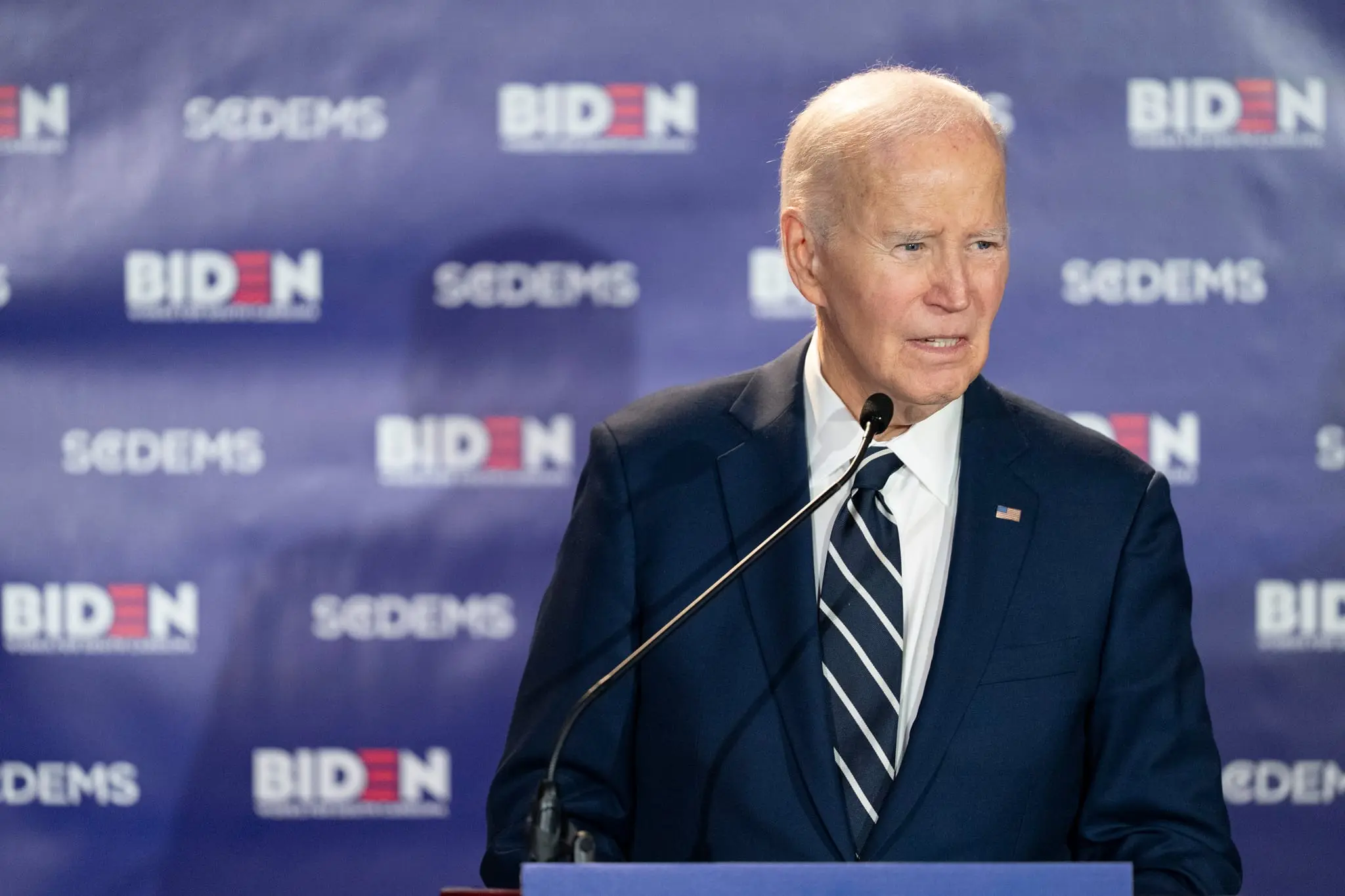
Speaking to Republican voters ahead of November’s midterm elections, Vance pointed out that decades of flawed immigration enforcement — topped with four years of open borders under former President Joe Biden — will take time to fix and will not be done overnight, asking voters to support Republican candidates.
“There is a lot of good that we've done over the past 18 months,” he said in his Sept. 15 All-In Summit appearance, touting the Trump administration’s successes on taxes, border security, and immigration enforcement.
“There's a lot of good that's been done, but there's a lot of work left to do,” he continued. “Don't give power to the people who cause the problems that we're fixing. Give us another chance or give us another couple of years to continue to work on the amazing things that we've been doing for the past two years.”


Comments