Bishop Zaidan calls for greater global response to catastrophic Nepal flooding
The USCCB’s appeal comes as U.S. officials report Americans still missing and Nepal’s death toll climbs past 900 amid warnings of further flooding.
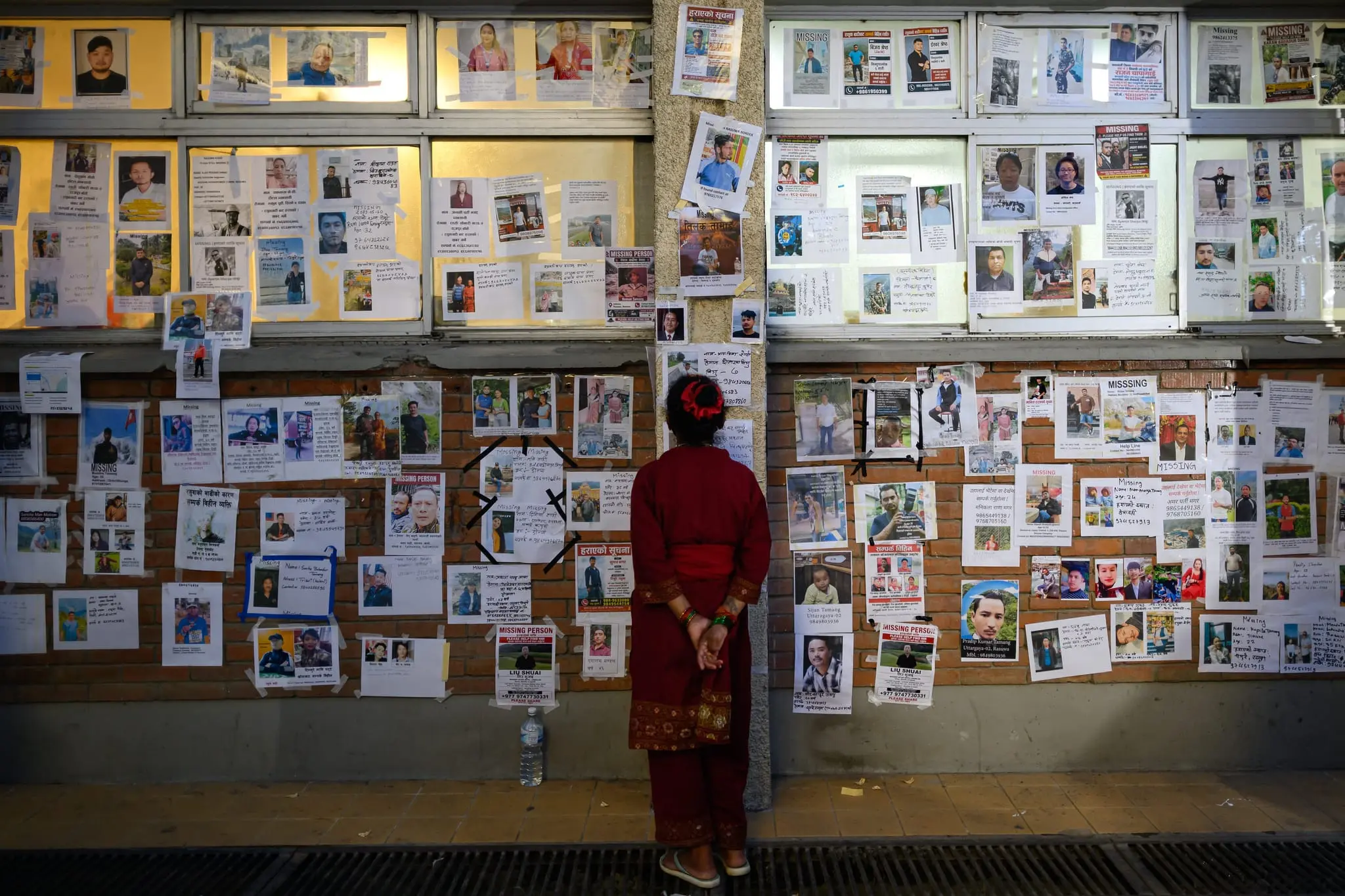
Bishop A. Elias Zaidan, chairman of the United States Conference of Catholic Bishops’ Committee on International Justice and Peace, is calling on the international community to expand humanitarian aid to Nepal, where catastrophic flash flooding since Aug. 26 has killed more than 800 people and left thousands more missing.
In an Aug. 27 statement, Bishop Zaidan offered prayers and solidarity on behalf of American Catholics and urged governments to “mobilize greater humanitarian assistance support for vulnerable families and communities in Nepal,” along with longer-term help rebuilding homes, livelihoods and infrastructure. He said Catholic Relief Services, the U.S. bishops’ international relief agency, is coordinating with Caritas Nepal and local partners to assess needs. He also thanked the U.S. government and State Department for their own monitoring and response efforts.
The flooding began Aug. 26, when a glacial collapse near the Nepal-China border sent a debris-laden flash flood into a mountainous border district in northern Nepal, destroying roads, bridges and power and communications infrastructure in several riverside communities. The U.S. Geological Survey reported that the collapse was seismically equivalent to a 5.2-magnitude earthquake. The floodwaters swept downstream along a chain of rivers, affecting a series of districts across central Nepal. Nepalese authorities said this weekend that the death toll in Nepal and Tibet combined has surpassed 950 people, with more than 4,400 people still missing across both countries.
Dozens of Americans are among the missing; the State Department has said three U.S. citizens have been rescued. The department pledged $500,000 in assistance through its existing global award with Catholic Relief Services to fund emergency shelter and water, sanitation and hygiene aid, and is deploying a disaster response advisor to the region. Secretary of State Marco Rubio said in a social media post that the U.S. offers its solidarity and is “united in prayer for the Nepali people.”
The U.S. Embassy in Kathmandu has continued issuing near-daily alerts as conditions evolve. As of its most recent update, authorities were still monitoring two glacial lakes upstream of the flood zone that could breach and send additional water downstream. One of the lakes has largely drained, but a second remains under assessment. The embassy has urged Americans to stay away from riverbanks and damaged infrastructure and not to travel north of Dhunche, including the Langtang trekking region, until officials confirm the flood threat has subsided. The Aug. 26 flood did not reach Kathmandu Valley, and Tribhuvan International Airport has remained open throughout.
Catholic relief efforts extend beyond CRS. Raju Pradhan, an emergency aid coordinator for Germany's Freiburg-based Caritas office, told the German Catholic news agency KNA that “the extent of the destruction is almost beyond comprehension,” noting that 400 homes were destroyed in a single town where Caritas has long worked. Pradhan said the response would require far more funding than is currently available and voiced concern about the risk of further flooding as authorities continue monitoring the upstream lakes.





Comments