EXCLUSIVE | ‘A labor of love’: The family craftsmanship behind Sheen’s beatification altar
Honored by St. Pius X in 1909 as a “Pontifical Institute of Christian Art,” Daprato Rigali Studios carries a family tradition into historic moments in the Church, such as the recent Mass for the first American-born bishop to be declared Blessed.

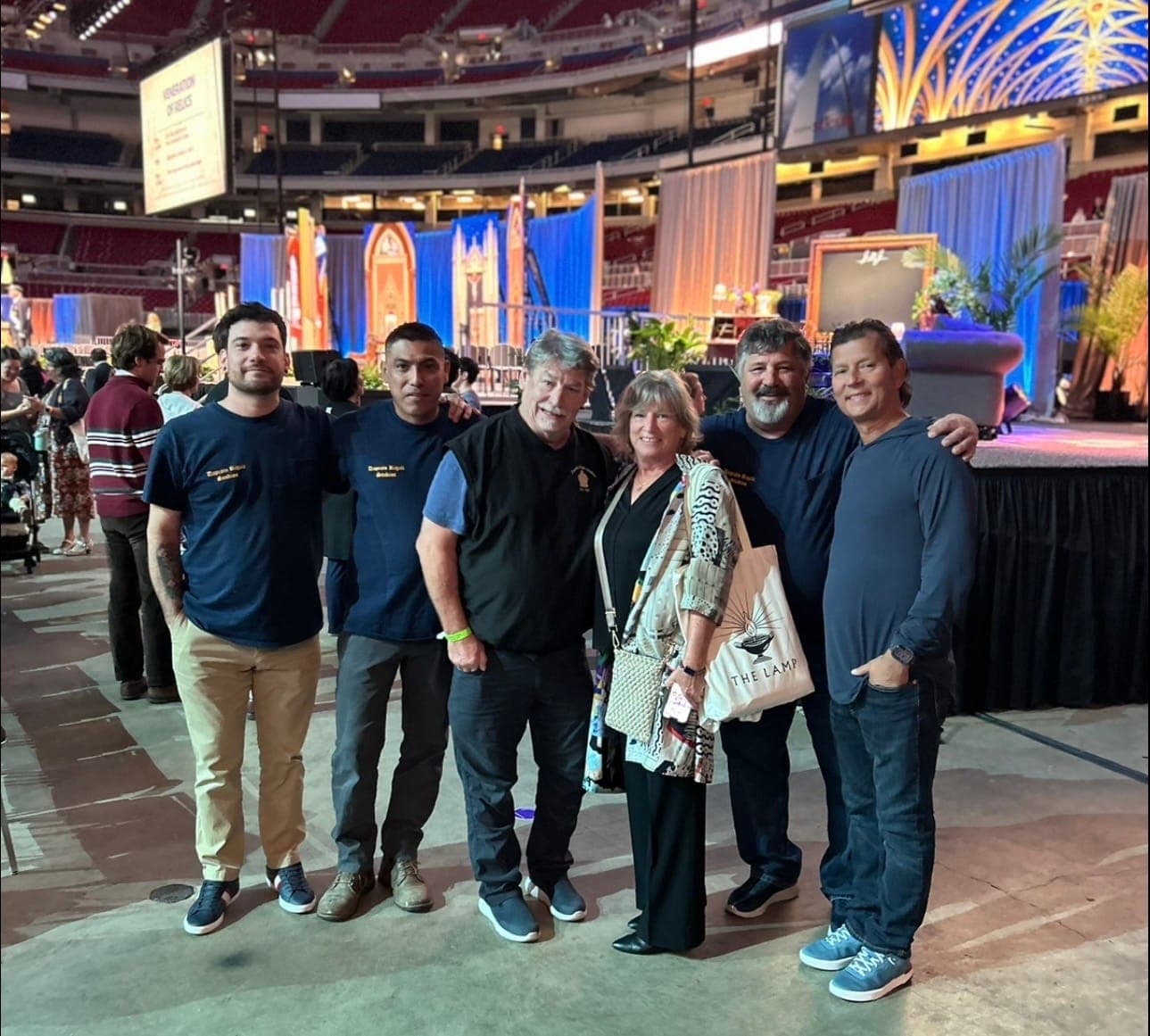
A co-owner of the family business that crafted the altar for Blessed Fulton Sheen’s Sept. 24 beatification this week shared with Zeale News about the honor of contributing to the historic Mass and the generations of sacred craftsmanship behind his family’s work.
John Rigali, a co-owner of Chicago-based Daprato Rigali Studios, spoke with Zeale News in an Oct. 12 interview about creating the altar and his family’s earlier work crafting furnishings for St. John Paul II’s historic Mass in Chicago’s Grant Park. Rigali shares ownership of the studio with his two brothers and his sister, continuing the family’s tradition of craftsmanship in service to the Church.
“We’re definitely blessed and honored to be able to be part of the great, great event that happened at the St. Louis stadium,” Rigali said, referencing the space filled last month by more than 50,000 people for Sheen’s beatification Mass.
The commission grew from the studio’s longstanding relationship with the Diocese of Peoria, Illinois, fostered especially through the restoration of its Cathedral of St. Mary of the Immaculate Conception and the creation of the altar that houses Bl. Sheen’s tomb.
“The relationship has just been so harmonious,” Rigali said. “The diocese trusts us, and they come in and let us know what they’re looking for, what they need. We take their ideas.”
Rigali said the team’s goal is to carry each client’s vision through from design to the finished piece.
“When we deliver it, it’s something they’re gonna be proud of, they’re gonna love,” he said.
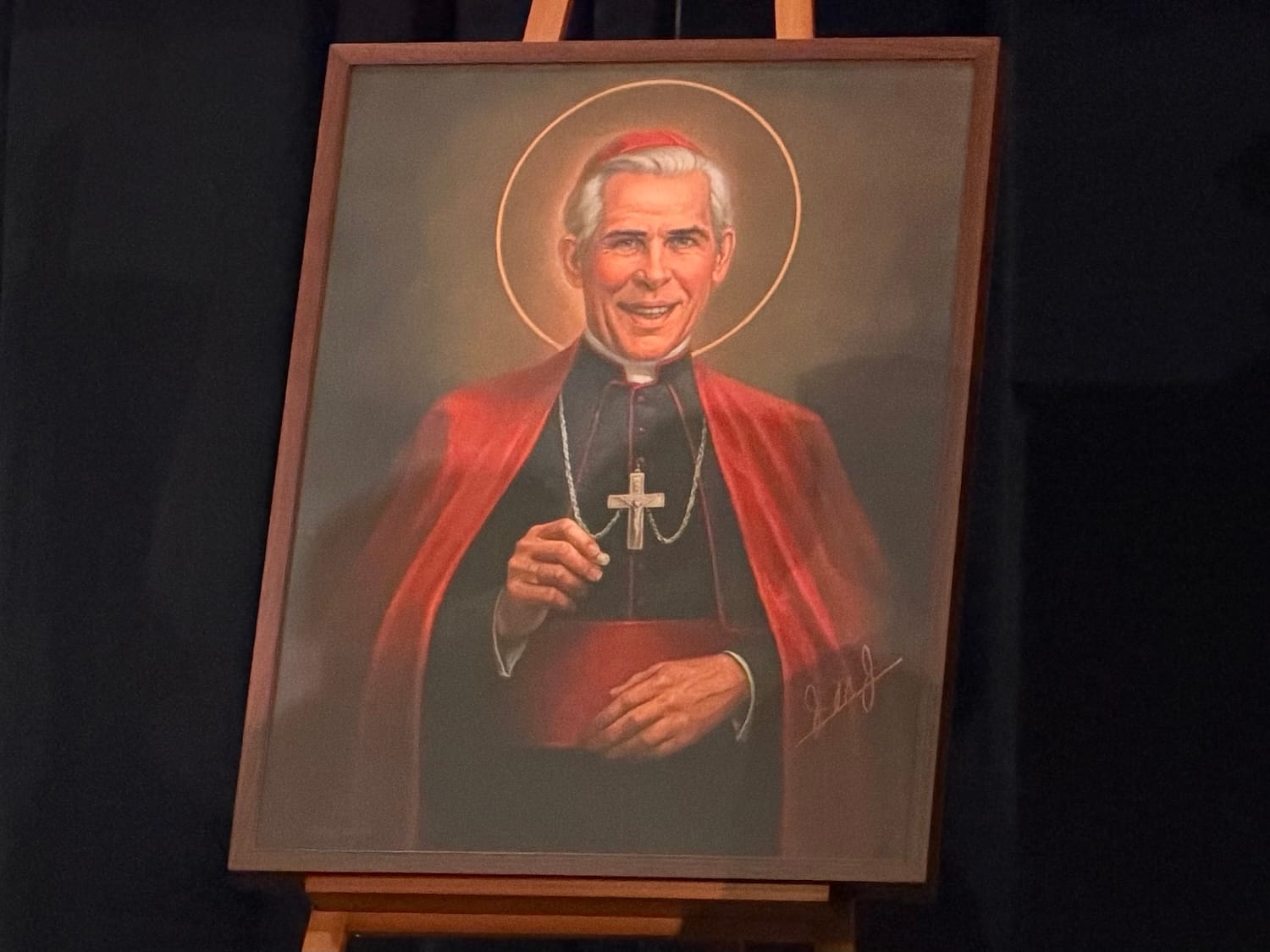
The studio also prepared the official portrait of Blessed Fulton Sheen, which was painted by studio artist Plamen and unveiled during the beatification Mass.
Rigali told Zeale News that preparations began in March, when Peoria Bishop Louis Tylka visited the studio’s offices to discuss the altar’s design and dimensions for the beatification Mass.
At the meeting, Rigali said, they considered “what they thought would be perfect for the Mass, based on the size of the stadium.”
Rigali said the team designs each piece to complement the space where it will be used, an approach that guided its work on the beatification altar.
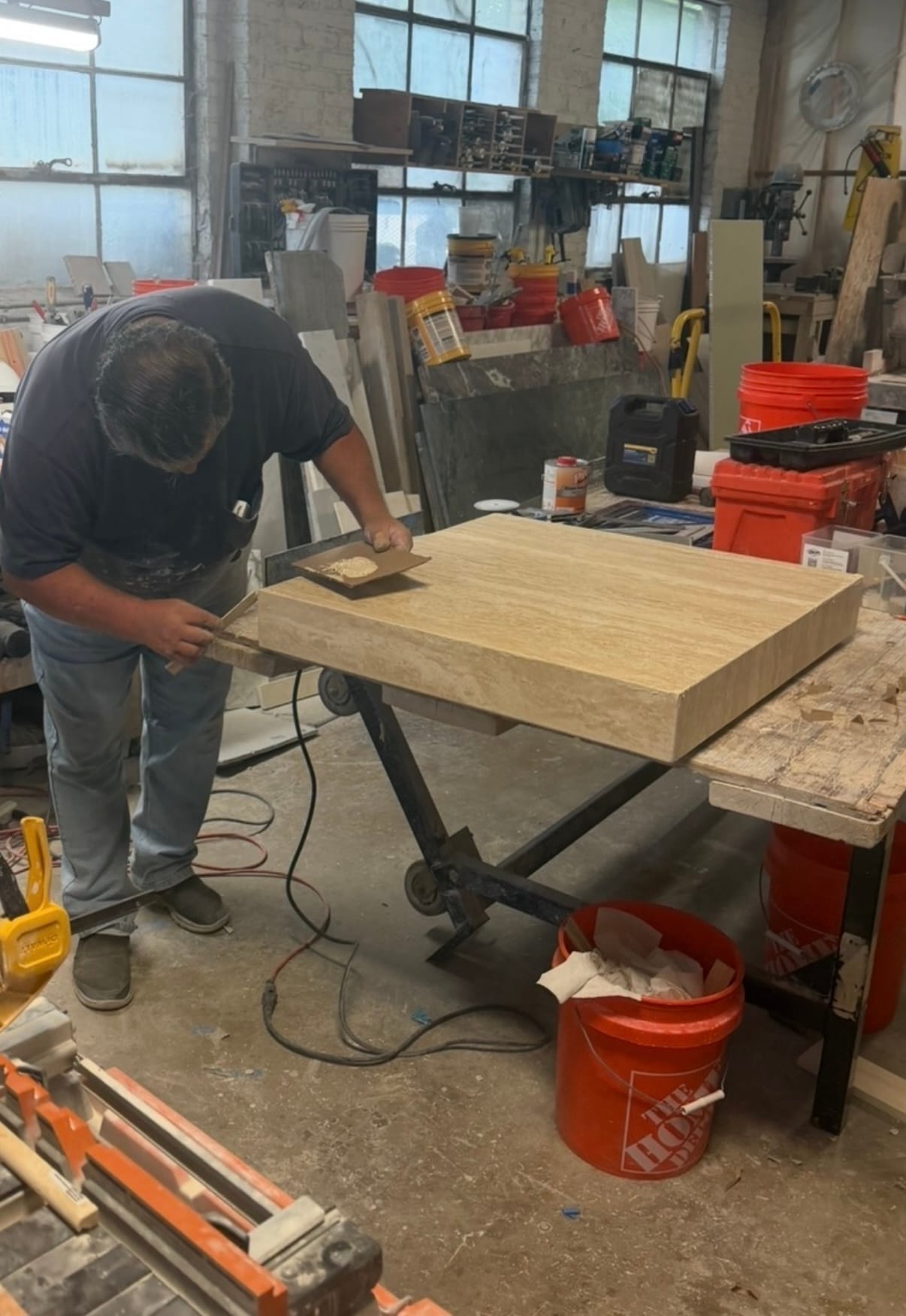
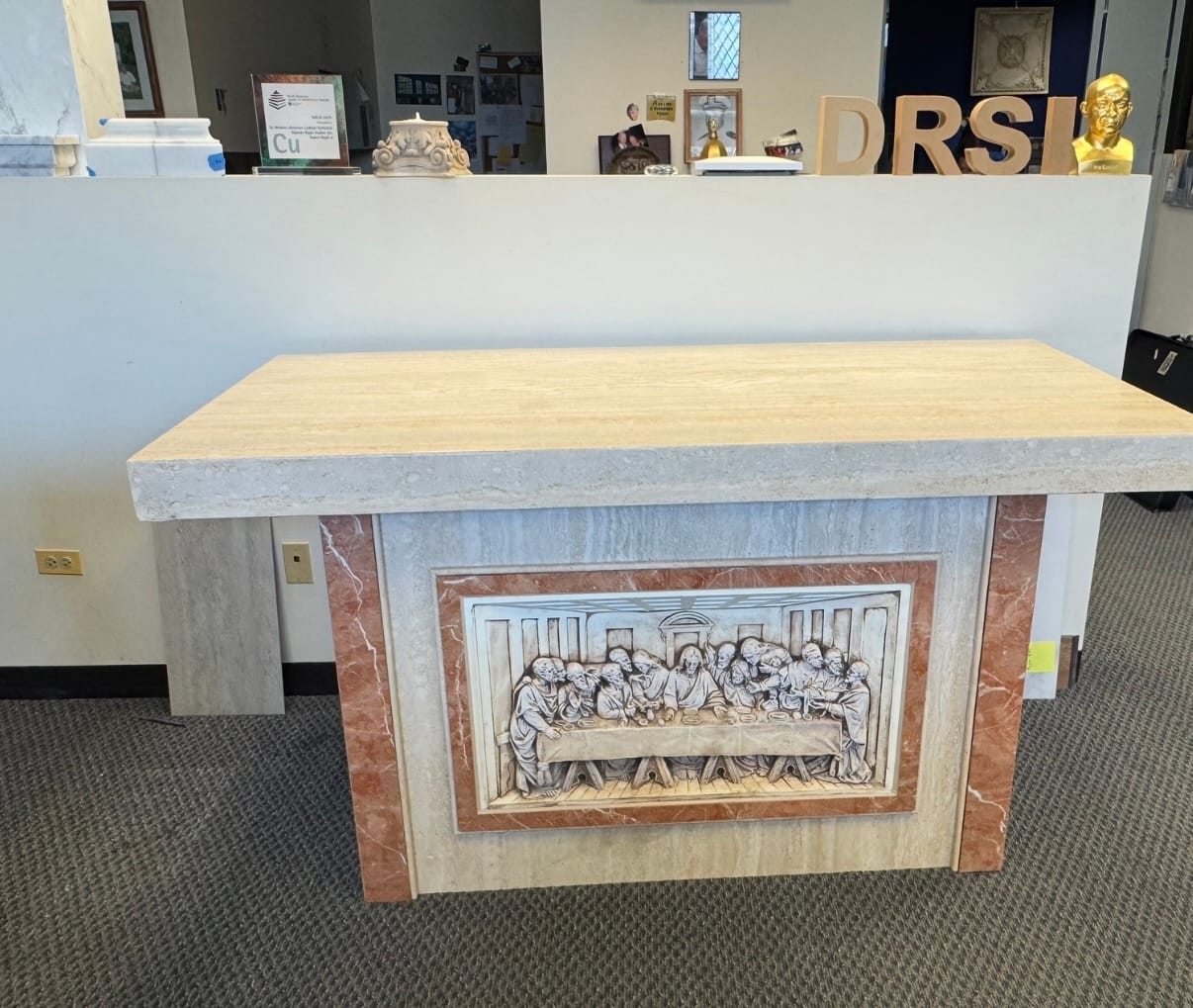
The altar’s top measured 10 feet by a little over four feet, and its construction incorporated lightweight Roman travertine marble. Rigali likened its carved depiction of the Last Supper to Leonardo da Vinci’s portrayal of the scene, adding that his sister glazed the piece to give it a finish that complemented the surrounding marble.
Rigali said his knowledge of Bl. Sheen grew through the studio’s work on the archbishop’s tomb and beatification altar, but his late mother’s letters revealed a more personal connection. She had been a fan of Sheen and followed his television shows, helping Rigali understand the influence behind an expression she had often used — the same words featured in some of the studio’s mosaics.
“One of her favorite statements was, ‘Jesus, Mary and Joseph,’” Rigali said. “And that’s on the side of [Sheen’s] portrait, it’s in different mosaics we’ve done.”
The experience of working on the Sheen projects also left an impression on Rigali and his team, which he said had affected their outlook moving forward.
The craftsmanship Rigali and his siblings bring to the studio has its roots in a Chicago business founded in 1860 by four Daprato brothers, statue-makers from Barga, Italy. Their younger cousin, Rigali’s great-grandfather, arrived from Italy in 1881 at 16 to apprentice with them, Rigali explained.
At his encouragement, the company turned to crafting altars and statues for churches, and he eventually became its president. Rigali explained that as Catholic communities built new churches, his great-grandfather expanded the company’s work in marble altars, stained-glass windows, and decorative art.
“Ecclesiastical artists actually took off, and he was a big part of that in the early days in the Church,” Rigali said.
Rigali’s grandfather and father later led the studio, carrying that knowledge into the restoration of the church furnishings earlier generations had created.
“It’s kind of come full circle,” Rigali said.
That work continues today through the creation and restoration of church furnishings, stained-glass windows, and decorative art. The studio’s website documents projects at more than 90 locations, including work on Chicago’s Holy Name Cathedral and the interior renovation of the Cathedral of the Incarnation in Nashville.
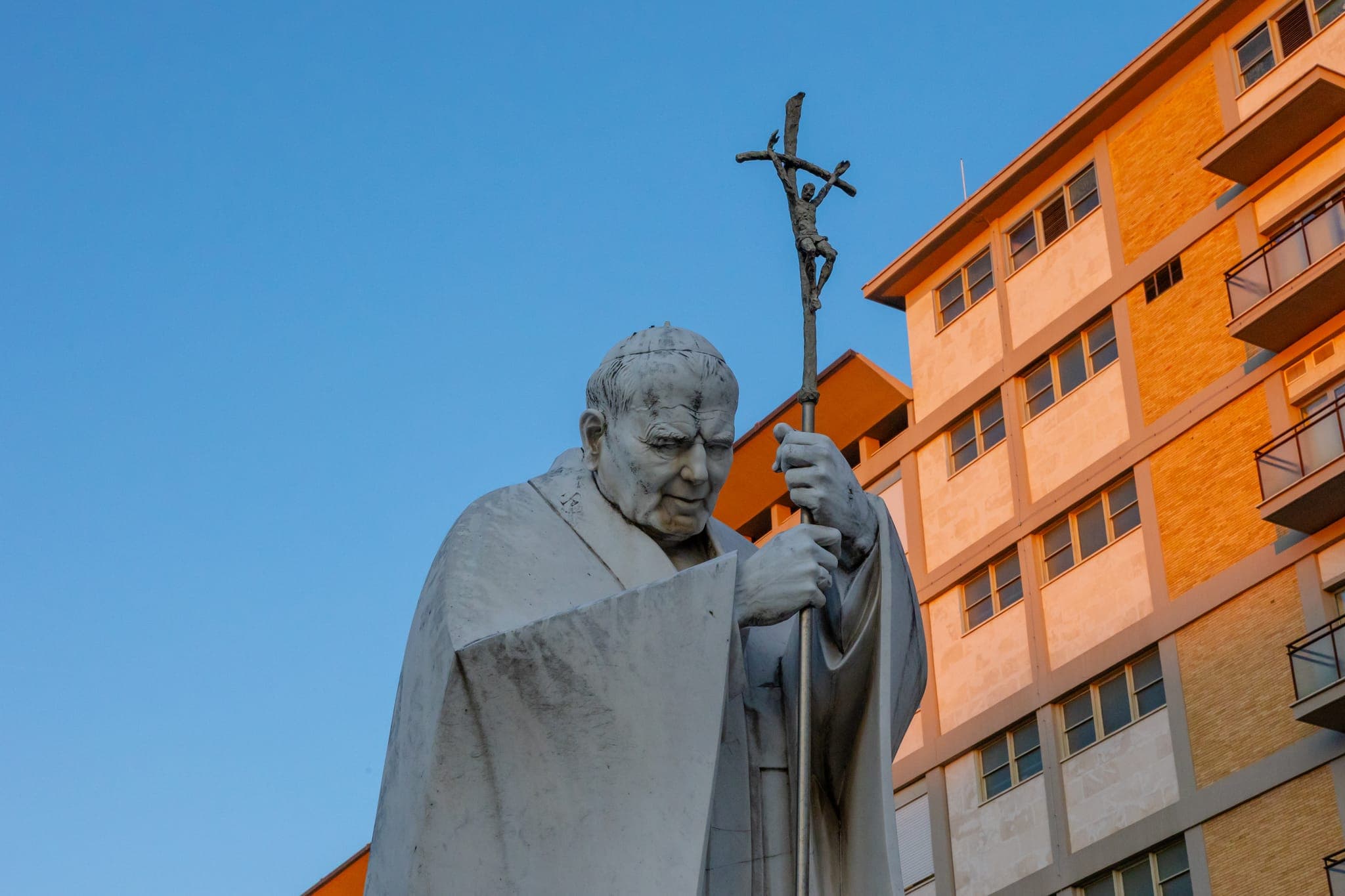
The studio’s craftsmanship has been featured in other historic Church celebrations, including St. John Paul II’s 1979 Mass in Chicago’s Grant Park. His father’s commission from the Archdiocese of Chicago marked Rigali’s first full-time job at 19, working alongside his dad to prepare the altar, chairs for the cardinals, the papal throne, and the pope’s coat of arms.
Rigali recalled helping install the furnishings on the raised platform as people gathered from across the city.
“It was a lot of work, but it was an honor,” he said.
Decades after working alongside his father for John Paul II’s Mass, Rigali said contributing to Sheen’s beatification offered another experience he would always carry with him, remarking, “The beatification is one of those things that you’re a part of that you’ll never forget.”
.jpg&w=3840&q=75)


Comments