Catholic congressman warns China is targeting Americans through transnational repression
Rep. Chris Smith, R-N.J., co-chair of the Congressional-Executive Commission on China, warned at a June 4 congressional hearing that the Chinese Communist Party (CCP) is using transnational repression and other tactics to silence Beijing’s critics living in the U.S.

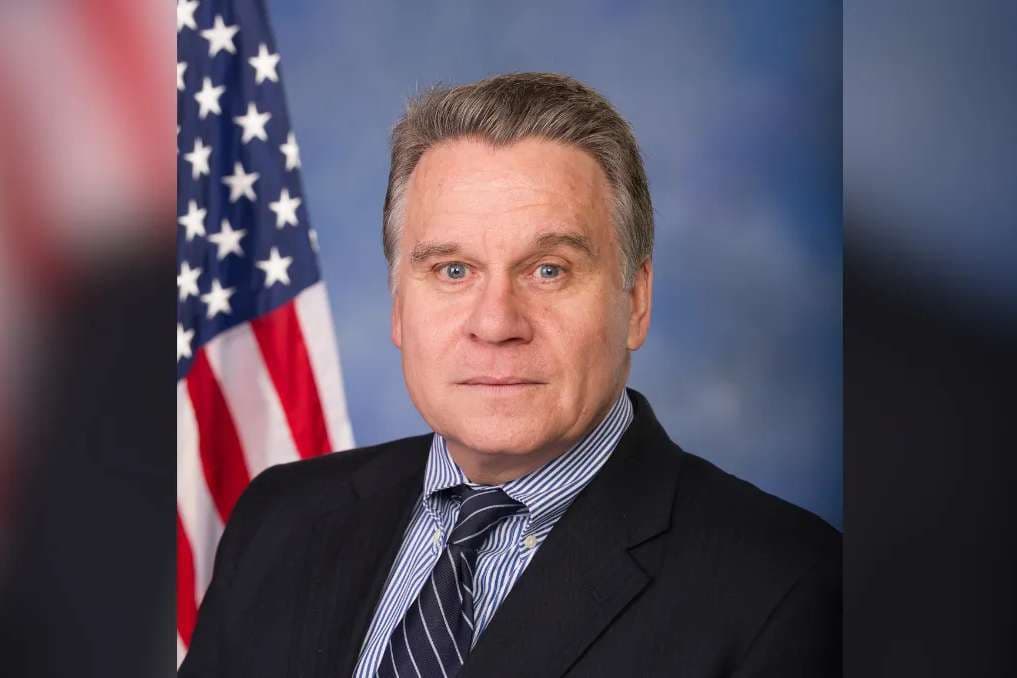
Rep. Chris Smith, R-N.J., co-chair of the Congressional-Executive Commission on China, warned at a June 4 congressional hearing that the Chinese Communist Party (CCP) is using transnational repression and other tactics to silence Beijing’s critics living in the U.S.
In his opening statement at the hearing titled “The PRC’s [People’s Republic of China] Threats to Americans: Transnational Repression & State-Level Responses,” Smith said Beijing’s campaign extends beyond individual dissidents, arguing that the CCP is also trying to monitor diaspora communities, exploit American openness, and weaken U.S. institutions.
Lawmakers held the hearing on the 37th anniversary of the Tiananmen Square Massacre, when Chinese authorities used military force against pro-democracy protests on June 4, 1989, resulting in deaths, imprisonments, and disappearances that remain unaccounted for. Smith invoked the image of “Tank Man” standing before Chinese tanks, framing it as a universal symbol of resistance to authoritarianism.
“The same Party that tried to crush truth at home now tries to chase truth abroad,” Smith said. “The tactics have changed. The technology has changed. The reach has expanded. But the purpose is the same: to make people afraid to speak the truth — by almost any means necessary.”
He said the CCP’s tactics have evolved to include digital tools such as spyware, doxxing, deepfakes, family detentions in China, bounties on Hong Kong dissidents, and the operation of illegal police stations on U.S. soil.
Smith argued that transnational repression is one part of what he described as a wider CCP strategy to gather leverage against the U.S., weaken American institutions, and spread propaganda.
He said the strategy also includes fentanyl trafficking, financial scams targeting Americans, land acquisitions near military sites, election interference, intellectual property theft, and efforts to corrupt officials.
“These may look like separate problems. But they share a common purpose: exploit our openness, gather leverage, weaken our institutions, spread propaganda, and make Americans pay a price for standing up to Beijing,” Smith said. “Transnational repression is the most personal form of that strategy. It brings the pressure campaign to the doorstep of the student, journalist, dissident, artist, and family member. That is why state and local responses matter.”
Smith stressed the need for coordinated responses at state and local levels and highlighted bipartisan legislation he is advancing with Sens. Dan Sullivan, R-Alaska, and Jeff Merkley, R-Ore., and Rep. Jim McGovern, D-Mass. According to Smith, the legislation would define transnational repression in federal law, support targeted communities, and strengthen accountability for foreign officials and their proxies who threaten people in the U.S.
“A regime that fears a student’s question, a refugee’s protest, an artist’s statue, or the simple memory of Tiananmen is not a strong and confident superpower. It is afraid,” Smith said. “And fear in the hands of a dictatorship is dangerous. It becomes coercion. It becomes censorship.”
He added that if the CCP threatens people living in the U.S., there must be sanctions, investigations, prosecutions, and a firm defense of American freedoms.
“We will defend and spread the rights Beijing fears most,” he said: “freedom of speech, freedom of religion, freedom of assembly, and the right to tell the truth without fear.”
Smith concluded by stressing that in the U.S., “no one needs the Party’s permission to speak, to worship, to protest, to remember, or to be free. That is why this hearing matters.”






Comments