CatholicVote urges Supreme Court to hear religious freedom case after Christian leafleteer was threatened with arrest
CatholicVote warned that an appeals court decision upholding qualified immunity for officers accused of threatening a Christian leafleteer with arrest could leave victims of blatant First Amendment violations without legal recourse.

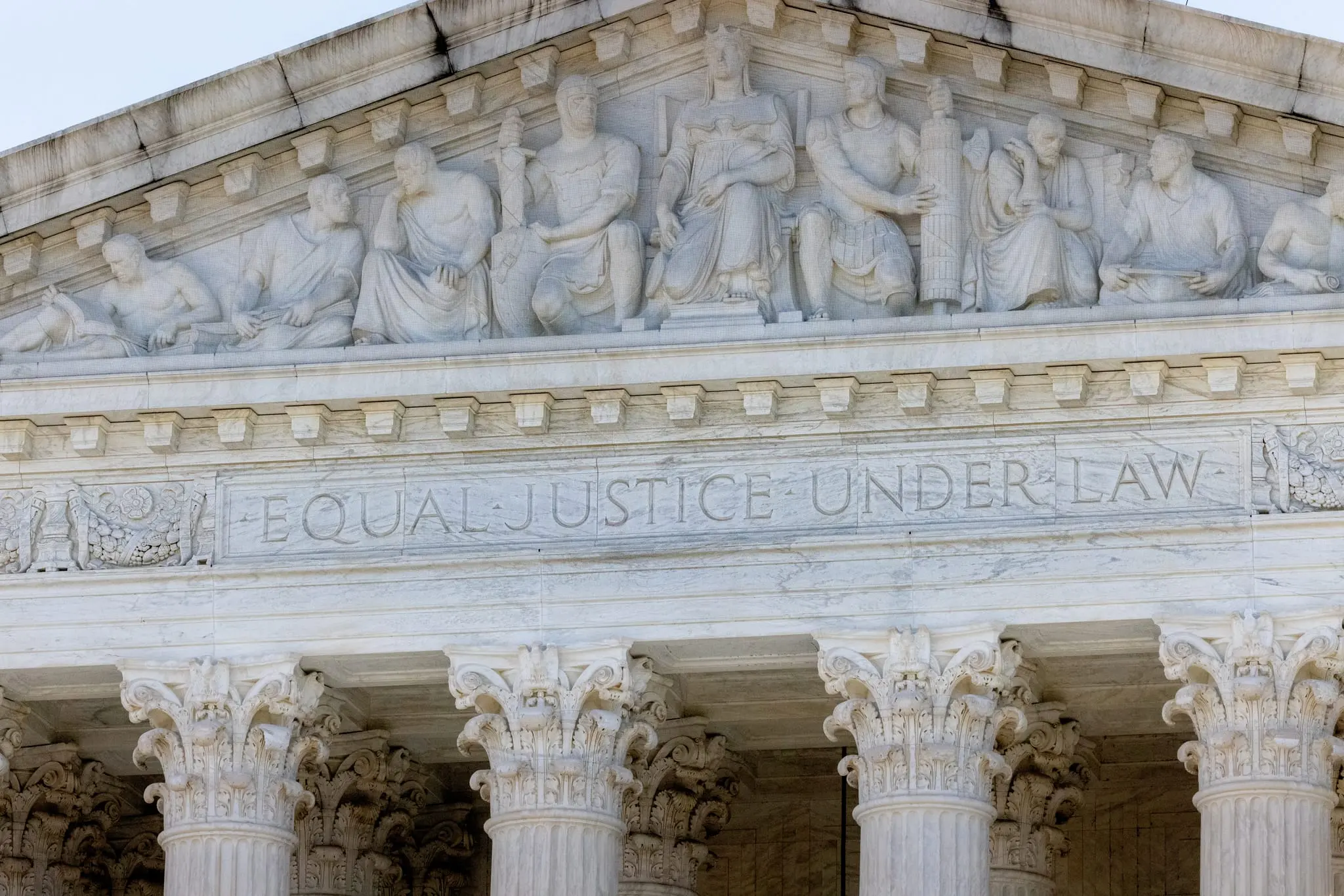
CatholicVote’s Education Fund is urging the Supreme Court to hear a First Amendment case involving a senior citizen who was allegedly threatened with arrest for distributing religious literature on a public sidewalk.
CatholicVote and the National Apostolic Christian Leadership Conference filed a joint friend-of-the-court brief July 15 in Hershey v. City of Bossier City, Louisiana, supporting Richard Hershey’s petition for Supreme Court review. The groups argued that a federal appeals court improperly shielded public officials from liability for allegedly violating Hershey’s rights to free speech and religious exercise.
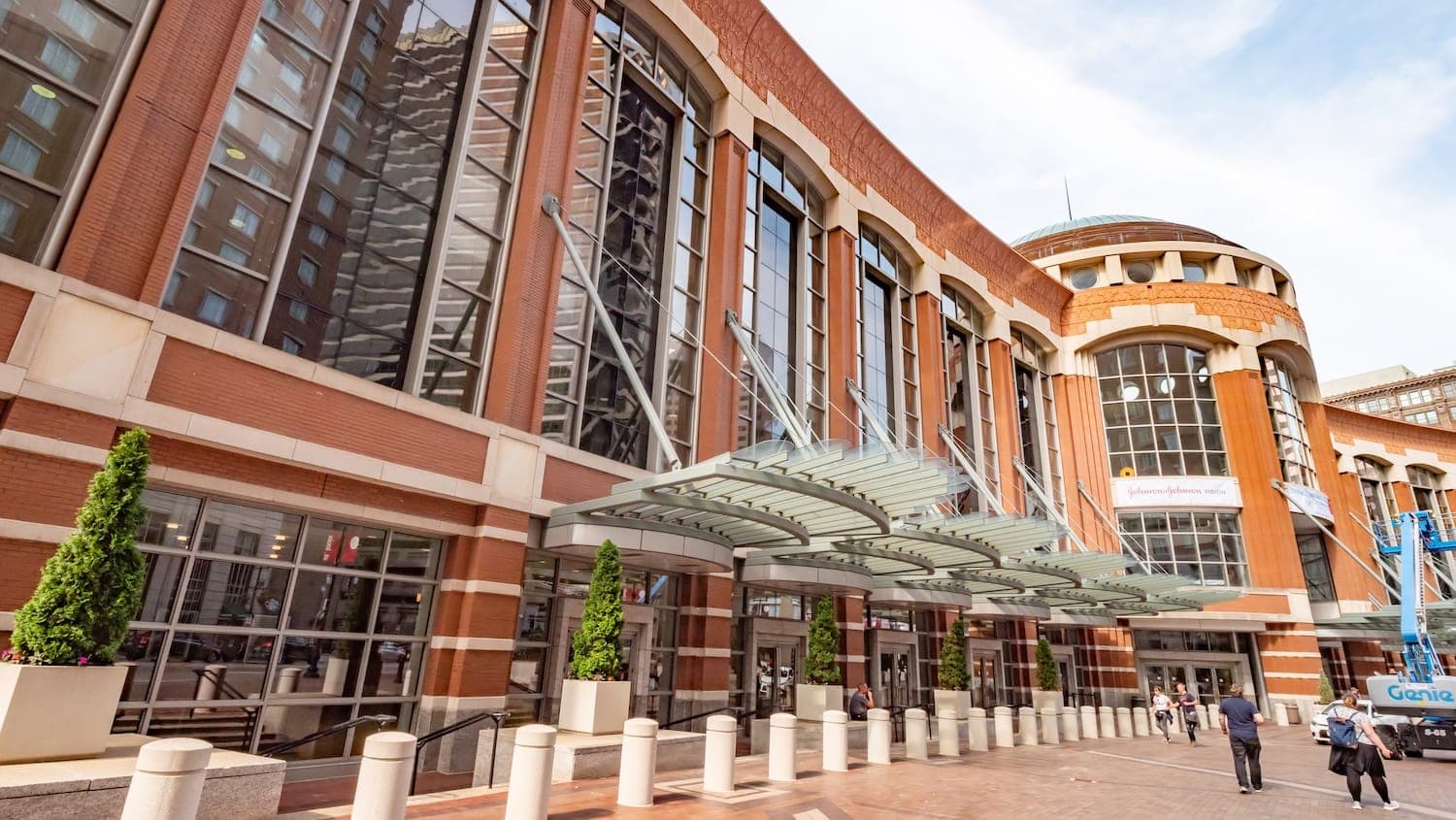
According to a press release from CatholicVote, Hershey was peacefully distributing faith-based leaflets outside an arena hosting a Christian rock concert when five police and security officers ordered him to leave and threatened him with arrest. The release said a person distributing commercial materials nearby was permitted to remain in the area.
“CatholicVote members and Americans of all faiths regularly engage in peaceful public witness and evangelization,” CatholicVote.org Education Fund Vice President Joshua Mercer said. “When state actors use their authority to shut down religious expression on a public sidewalk while permitting secular speech, it is an obvious violation of the Constitution.”
Hershey later sued under Section 1983 of the federal Civil Rights Act, which allows individuals to sue state and local officials for alleged violations of their constitutional rights. A federal appeals court, however, granted qualified immunity to the officers and dismissed Hershey’s claims against the private security guards.
According to court documents, the U.S. Court of Appeals for the Fifth Circuit affirmed those decisions, concluding that Hershey had not identified sufficiently similar precedent clearly establishing that the officers’ alleged conduct was unconstitutional. The court nevertheless revived Hershey’s separate claim that Bossier City failed to train its officers to respect First Amendment rights, returning that portion of the case to the lower court.
In affirming qualified immunity for the police officers, the appeals court also concluded that the “obviousness principle,” which can deny officials qualified immunity for especially clear constitutional violations even without a previous case, applies only in Eighth Amendment cases.
In their brief, CatholicVote and the leadership conference argued that the Fifth Circuit’s approach improperly treats First Amendment protections as less deserving of enforcement than Eighth Amendment rights.
The groups said Congress enacted Section 1983 specifically to provide a remedy for state violations of fundamental rights, including freedom of speech and religion. They also argued that traditional principles of legal liability did not require victims to identify an earlier court decision involving the same conduct before holding an official responsible.
Quoting Hershey’s petition, the brief warned that, under the Fifth Circuit’s reasoning, “victims of the most egregious First Amendment violations are least likely to recover damages” because conduct that is unusually blatant may not have an exact counterpart in an earlier case.
Mercer said in the release that Section 1983 “was created to hold officials accountable for these exact abuses” and urged the Supreme Court to intervene to “ensure that our fundamental rights to free speech and religious liberty are fully protected.”


Comments