DOJ report exposes ideological agency rot that led to anti-Catholic FBI memo
The controversial 2023 memo was far more than just a flawed document that slipped through quality checks: It involved the tracking and investigating of priests on the basis of biased, baseless information per the FBI analysts who wrote the memo.
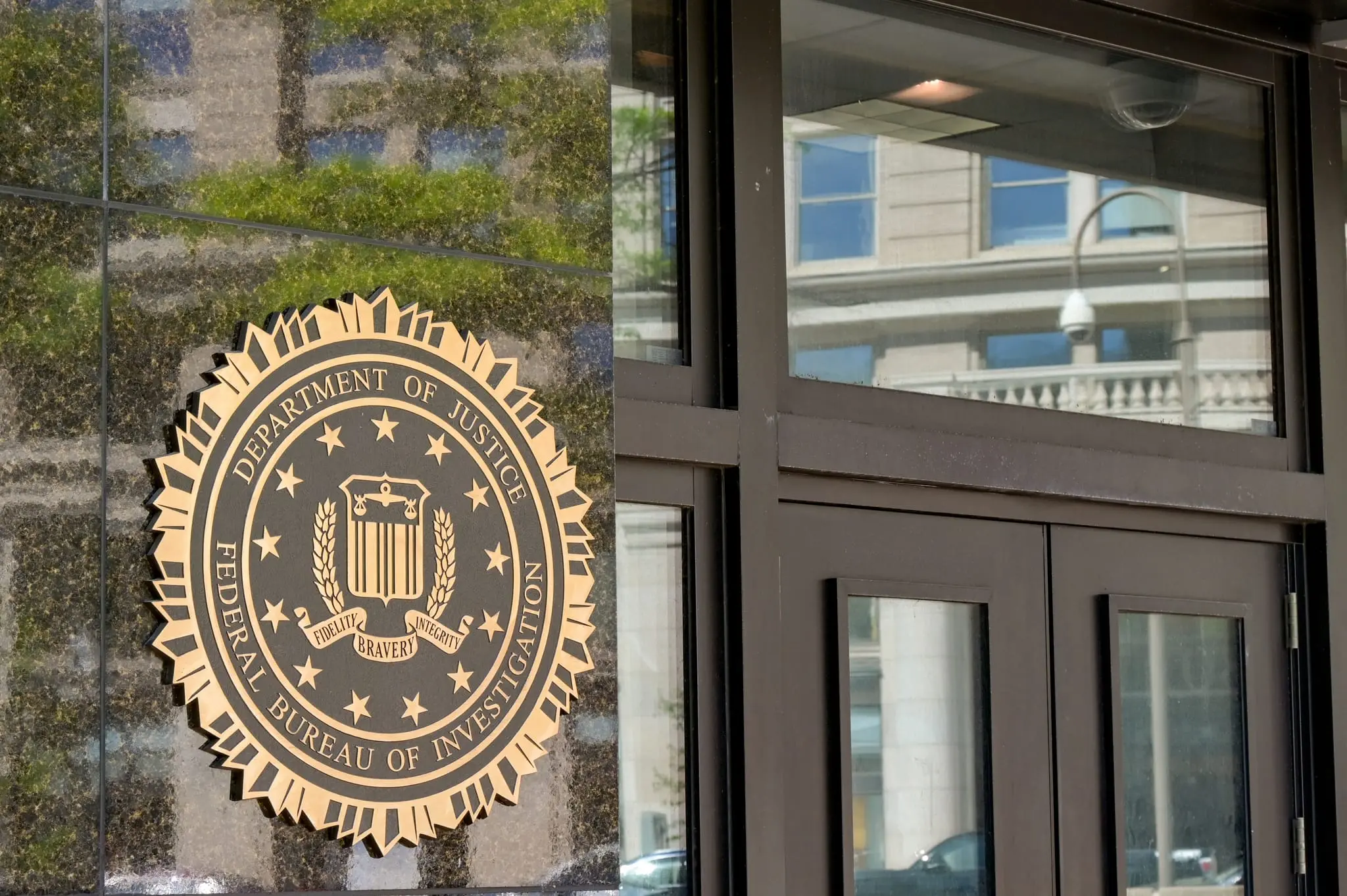
A federal investigation has revealed that the FBI not only spied on American Catholics but relied on flawed sources to do so and internally demonized Catholic teachings. In a 231-page report published on Aug. 26, the U.S. Department of Justice traced the origins of the infamous FBI Richmond field office memo detailing plans to label traditionalist Catholics “Racially or Ethnically Motivated Violent Extremists” and infiltrate and surveil Catholic parishes and communities.
In 2023, under then-President Joe Biden, the memo was leaked to the public, igniting a firestorm of public outrage and scrutiny and triggering congressional investigations into potential First Amendment violations by the federal law enforcement agency. Citing sources such as the Southern Poverty Law Center (SPLC) and The Atlantic, the memo claimed that American Catholics who attend the Traditional Latin Mass (TLM) are prime candidates for being radicalized and mobilized as racially motivated domestic terrorists.
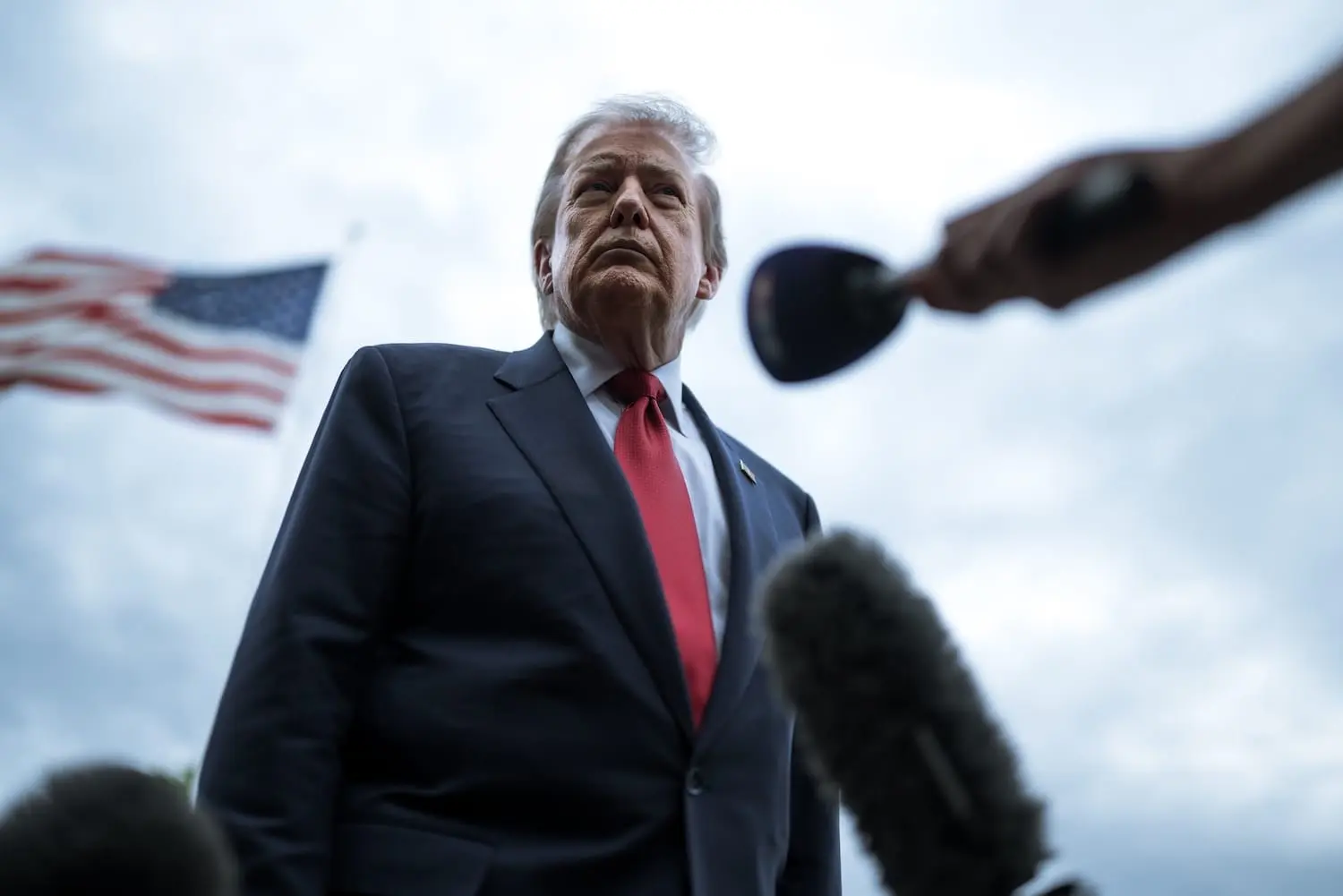
Then-candidate Donald Trump charged Democrats with weaponizing the FBI to target American Catholics and other American Christians, pledging accountability and promising that his administration would investigate and determine how a memo targeting American Catholics on the basis of their faith could work its way through the FBI’s system.
Crafting the memo
According to the new report, the Richmond memo originated with a theory. An FBI analyst hypothesized that white supremacist violence was on the rise and that “radical traditionalist” Catholics were a demographic seeing significant growth in extremist ideology and violence.
However, the analyst’s argument was predicated on a single case: a man who was imprisoned in Virginia for felony vandalism after marching through a neighborhood carrying a Confederacy-related flag and slashing tires. The man was later sentenced to eight years in federal prison for manufacturing homemade weapons, including explosive devices, and was noted for his incendiary online posts regarding race. Upon learning that the man attended Our Lady of Fatima Chapel, which was affiliated with the now-excommunicated Society of St. Pius X (SSPX), the FBI interviewed the community’s priest. The priest testified that the man the FBI was supposedly investigating was not a Catholic and held “crazy views” that were incompatible with Catholic moral and social teaching. The man, however, described himself online as a “radical traditional Catholic Clerical Fascist.”
The FBI expanded its investigation late in 2022, including relying on a foreign intelligence agency’s classification of SSPX Resistance, an SSPX splinter group founded by excommunicated SSPX Bishop Donald Williamson, as “an Orthodox Catholic group which blends traditional Catholicism with National Socialist ideals” and “is attempting to radicalize individuals through the Catholic religion towards Neo-Nazi extremism.”
Furthermore, the priest interrogated by the FBI was the nephew of another priest, who had been ordained by Bishop Williamson and now led the SSPX Marian Corps, itself an arm of SSPX Resistance. Between the end of 2022 and the first few weeks of 2023, the FBI surveilled both priests, including reviewing credit card information, monitoring travel plans, tracking locations and movements, and having one of the priests stopped and interviewed by U.S. Customs and Border Protection (CBP).
The FBI analysts responsible for crafting the memo admitted when drafting the memo that a single case of a solitary individual whose priests even denied that he was a Catholic was not sufficient grounds for targeting American Catholics. They decided on “finding sufficient additional evidence beyond” the case in question.
The DOJ’s report last week stipulated that the “FBI’s subsequent research turned up only two additional cases of a suspect self-identifying as a ‘radical traditional’ Catholic — and nothing linking Catholics or groups not in full communion with the Catholic Church to domestic extremism.” In one of those two cases, the suspect was dead.
Prior to completing the memo, the Richmond analysts “got to thinking” that their theory and research should be converted into a Strategic Perspective: Executive Analytic Report (SPEAR) to be circulated agency-wide and among FBI leadership. The Richmond field office’s Domestic Terrorism Intelligence Analyst reportedly approved of the plan and, the day after the original memo was published, one of the analysts emailed a draft SPEAR, likewise labeling traditionalist Catholics as domestic extremists.
The Richmond memo also cited sources such as the now-discredited SPLC, which placed “radical traditional Catholicism” on its “hate map” next to the Ku Klux Klan (KKK) and Aryan Nations, as well as relying on information from the Anti-Defamation League (ADL).
The SPLC was indicted earlier this year by a federal grand jury on numerous counts of fraud, including deceptively using donor money to fund the extremism that the organization claims to combat, and former SPLC intelligence director Heidi Beirich was arrested on fraud charges.
Internal failures
According to the DOJ report, the Richmond memo made it through numerous rounds of review without being flagged as problematic. In addition to the two analysts who initially wrote it, the memo was reviewed by a legal analyst, a peer review, and a review by a former seminarian.
“No one flagged any constitutional concerns in their edits,” the DOJ report found. The only advice offered by legal counsel was to redact the names of individuals referenced in the memo if it were intended for public consumption.
When higher-ups in the Richmond field office reviewed the memo, their comments were mostly approving, with one supervisor only suggesting that the authors emphasize abortion as a “catalyzing event” for radicalizing Catholics. Ultimately, Richmond field office leadership determined that the memo was fit for internal publication.
It was only after the memo was leaked to the public that FBI officials and leadership began suggesting that it did not meet the FBI’s rigorous standards. However, the DOJ report found that senior FBI leadership debated the possibility of publicly defending the memo. One high-ranking intelligence officer suggested unredacting the names of the suspects in the memo in order to demonstrate that crimes have been committed by individuals identifying as traditionalist Catholics. Another official suggested that the leak could be criticized as ideological.
In the end, FBI leadership directed that the memo be deleted from agency records. Then-director of the FBI Christopher Wray later claimed that the memo was the isolated product of a single field office, never intended for agency-wide or public reading. However, the DOJ report found that the Richmond field office liaised with at least two other field offices in researching and writing the memo and that it was accessed and read by at least 19 different analysts from 13 different field offices. A congressional investigation last year determined that more than 1,000 FBI employees had access to the memo. Additionally, the analysts who wrote the memo continued working on another draft even after the deletion of the original.
Terminological confusion
The FBI’s Directorate of Intelligence and Counterterrorism Division did take issue with some of the terminology used in the memo, including the terms “radical traditionalist Catholic” and “far-right,” in addition to pointing out the political biases of cited sources, including the SPLC, ADL, and magazines like The Atlantic and Salon.
A 2023 internal FBI review also determined that the memo erroneously ascribed the motives of racially motivated domestic extremists who self-identified as radical traditionalist Catholics to traditionalist Catholic beliefs and conflated the religious self-identification of one suspect with traditionalist Catholic views overall. “This, in turn,” the FBI review said, “created the appearance that the FBI conducts investigative activity based on religious affiliation.”
The DOJ report was also critical of the terminology used in the memo — namely, the ambiguity. The report noted that the Richmond memo established no consistent criteria for determining which organizations, orders, or communities adhered to traditionalist Catholicism and which adhered to radical traditionalist Catholicism. The memo also did not clarify the terms.
The report also includes an exhibit of a series of slides prepared by the Richmond analysts to accompany the memo. The slides spotlight that what it describes as the “core ideology and beliefs” of traditionalist Catholicism center on the TLM, “conservative family values/roles,” “rejection of modernity,” “discontinuity and disrupture,” and a “tendency towards isolationism.”
The slides also list other characteristics that may include “belief in the creation of a totalitarian, anti-pluralist Catholic nation, a ‘confessional state’”; the “rejection of religious neutrality and right to religious freedom”; “hardline positions on abortion, LGBTQ matters, interreligious dialogue”; and an “undertone of anti-Semitism.” One of the analysts’ slides also said that traditionalist Catholicism is “comparable to lslamist ideology.”
Eric Schmitz, a Catholic and the director of coalitions for U.S. Speaker of the House Mike Johnson, R-La., emphasized the slides and their content in a social media post, saying that it is “UNREAL that these slides are from an actual FBI report.”
“As a Catholic who attends the TLM, it’s disturbing to see ordinary Catholic beliefs and practices presented in this context by the FBI,” he said. “I’m grateful to the Trump administration for bringing this detailed report to the public and taking steps to ensure this never happens again.”
The report and the First Amendment
American Catholics and conservatives have responded positively to the DOJ’s report, touting the transparency and accountability evinced under Trump and contrasting it against the weaponization seen under Biden.
CatholicVote co-founder and Vice President Josh Mercer said in comments to Zeale News, “The Trump administration is to be commended for their transparency by releasing all this information regarding the spying and FBI profiling of traditionalist Catholics.”
“Coming clean like this can ensure that we never again allow our federal government to be weaponized against Americans exercising their First Freedom — that of religious liberty,” he continued.
Mercer observed that the Biden administration was not only “trying to smear” Christian conservatives as “racists,” but as “terrorists,” pointing out that Biden referred to white supremacy as the “single most dangerous terrorist threat in our homeland.”
“No Democrat should be entrusted to serve as President,” Mercer concluded, “unless they repudiate the Biden administration's targeting of Christians.”
Attorney General Todd Blanche said in a statement, “This Department of Justice will not tolerate a weaponized bureaucracy that chills First Amendment activity.” He confirmed that all FBI personnel involved in the creation of the controversial memo have since been fired.
“The weaponization of our Government undermines our Democracy and reduces the People’s trust in our Nation’s institutions that are designed to serve and protect them,” said Associate Attorney General Stanley E. Woodward, Jr. in a statement. “The Richmond Memo was a clear abuse of power, targeting conservative and religious beliefs disfavored by agents of Government who lacked necessary oversight. No more.”
Ashley McGuire, a senior fellow at the Catholic Association who has written on the FBI memo and its implications for American Catholics, told Zeale News, “The FBI memo targeting traditional Catholics was more than just a shock. It was a reminder that our constitutional rights are meaningless if not upheld and enforced through the rule of law.”
“The very governmental entities formed to protect citizens and our rights were being weaponized against Catholics, to the point that they were spying on priests and snooping on the faithful in the pews,” she added. “This is the stuff of totalitarian governments, not democracies like ours.”


Comments