Dominican Sisters respond to DOJ intervention in challenge to New York gender identity law
The U.S. Department of Justice (DOJ) has joined a Catholic religious order's challenge to a New York law requiring nursing homes to accommodate residents' gender identity, arguing the state cannot force religious providers to violate their beliefs while granting exemptions for comparable secular concerns.

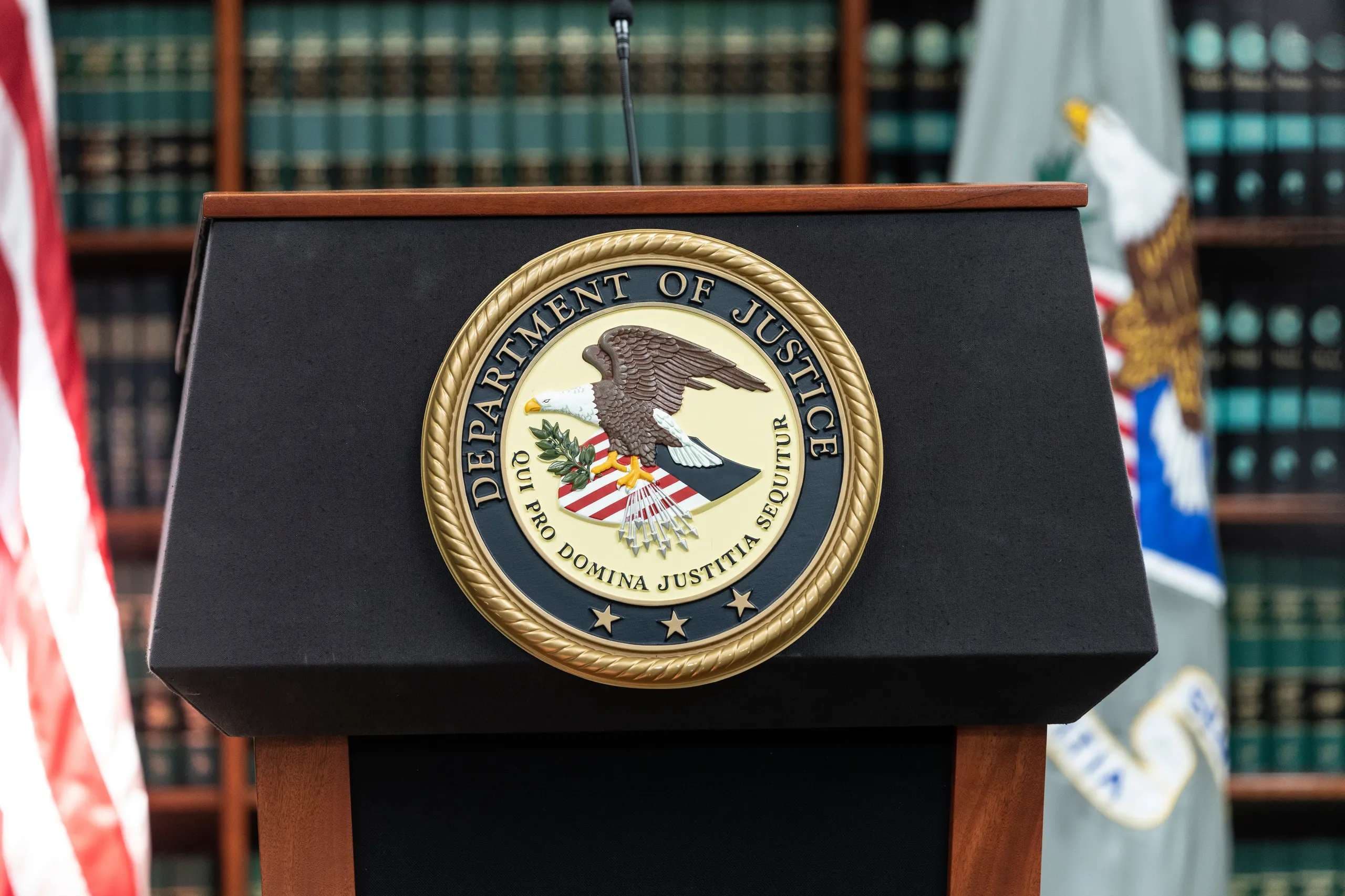
The U.S. Department of Justice (DOJ) recently joined a Catholic religious order's challenge to a New York law requiring nursing homes to accommodate residents' gender identity, arguing the state cannot force religious providers to violate their beliefs while granting exemptions for comparable secular concerns, and the sisters responded this week to the DOJ's involvement.
Mother Marie Edward, O.P., the superior of the Dominican Sisters of Hawthorne, said the order was encouraged by the DOJ’s decision to intervene.
"We are grateful the Department of Justice sees the injustice in this matter," she said. "This gives us hope that the country's founding principles are still strong after 250 years."
Acting U.S. Attorney General Todd Blanche has certified the lawsuit brought by the Dominican Sisters of Hawthorne as a case "of general public importance" and notified a federal judge that the DOJ intends to intervene, according to a June 22 press release the Catholic Benefits Association emailed to Zeale News.
The lawsuit, filed on behalf of the Dominican Sisters, challenges New York regulations requiring nursing homes and other long-term care facilities to recognize residents' gender identity, as Zeale News previously reported. The DOJ said it is intervening because it believes the state's law "discriminates on the basis of religion."
In its complaint-in-intervention, the DOJ argues the law violates the Equal Protection Clause of the Fourteenth Amendment because New York allows facilities to deny opposite-sex room assignments based on secular clinical judgments that an assignment could cause psychological harm but "offers no equivalent accommodation based on a religious judgment that the assignment would cause spiritual harm."
"States should take notice that they cannot require Americans to abandon their religious beliefs in the name of woke gender ideology," Assistant Attorney General Harmeet Dhillon of the DOJ’s Civil Rights Division said in a June 18 statement.
"For more than a century, the Dominican Sisters of Hawthorne have provided free palliative care to indigent cancer patients in their last days," Dhillon said. "New York's law would force these religious women to choose between their faith and their license if they wish to continue serving the dying."
The Dominican Sisters operate a home for terminally ill cancer patients and do not accept government funding, according to the Catholic Benefits Association.
Doug Wilson, the association's chief executive officer, welcomed the federal government's intervention.
"We're glad to have the DOJ support our arguments," Wilson said. "If religious freedom does not protect the Dominican Sisters of Hawthorne, who does it protect? These are real people serving dying patients. They accept no government or insurance funds. Shouldn't they be allowed to conduct their ministry consistent with the Catholic values that inspired them to undertake this holy work in the first place?"
According to the Catholic Benefits Association, New York's Department of Health informed the sisters they must comply with the state's requirements or face penalties that could include fines, loss of their operating license, and jail time.
The association said those requirements include assigning biological males to women's rooms, permitting residents to use bathrooms associated with their gender identity, using pronouns consistent with a resident's gender identity, accommodating requests for extramarital sexual relationships, and providing staff training in cultural competency.
The case is pending before U.S. District Judge Nelson Roman in the Southern District of New York.
.jpg&w=3840&q=75)
.jpg&w=3840&q=75)


Comments