Exactly what to wear to a wedding: A dress code guide for men and women
As soon as the wedding invitation arrives, it's time to start shopping for the perfect outfit, but decoding wedding attire can leave even the most stylish guests second-guessing their closet. Here is the ultimate guide to every wedding dress code for both men and women.
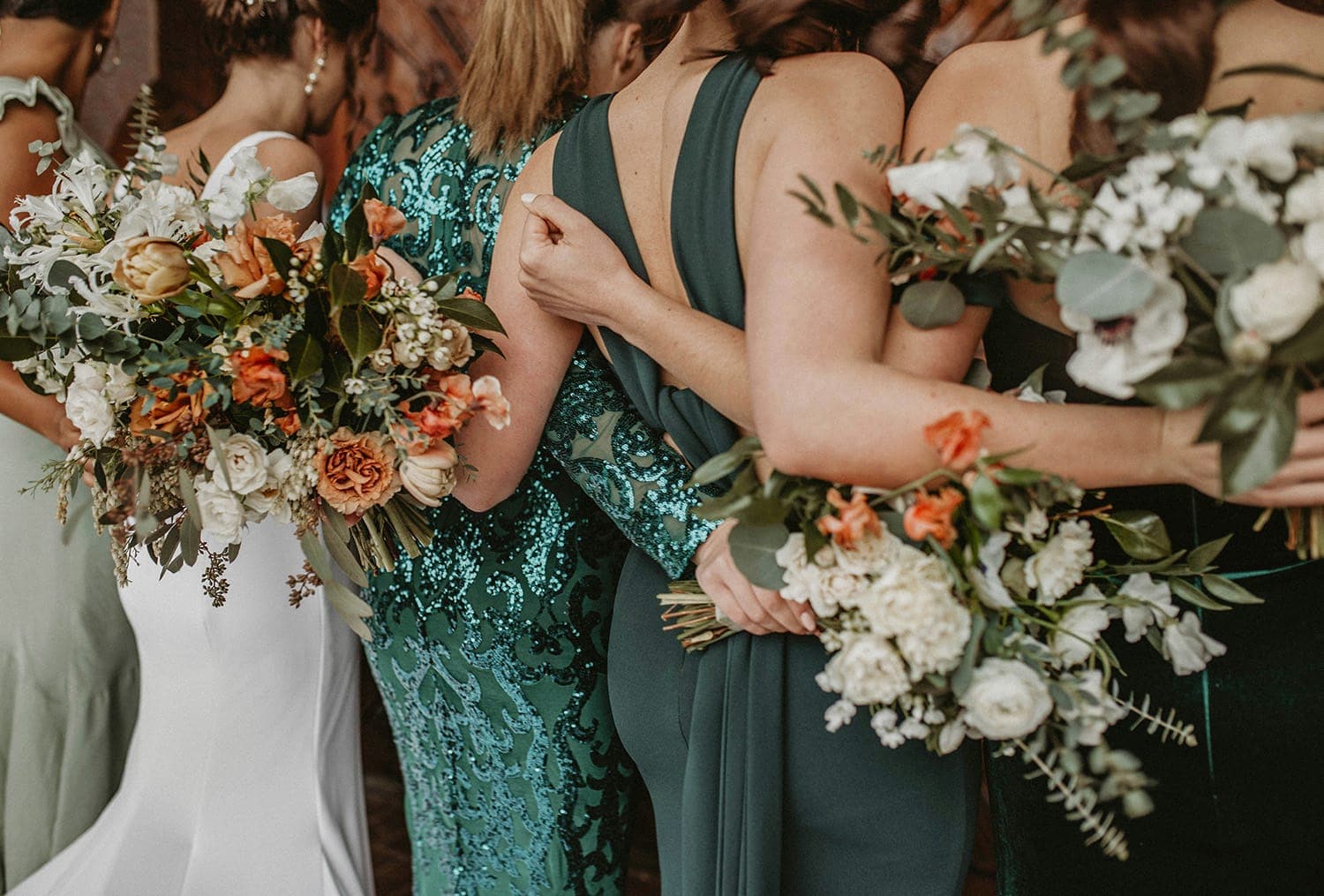
The wedding invitation arrives, you excitedly note the date and send back your reply. Then it hits you, “What am I going to wear?”
Does Black Tie always mean floor length gowns? Are cream-colored heels too close to “bridal white?” Can you wear a jacket without a tie or do you need to buy a newly tailored suit? Whether you’re preparing for a crisp autumn ceremony, an intimate winter gathering, or bookmarking ideas for next year's summer invite list, decoding wedding attire can leave even the most stylish guests second-guessing their closet.
We’ve taken the guesswork out with this ultimate guide to every wedding dress code for both men and women.
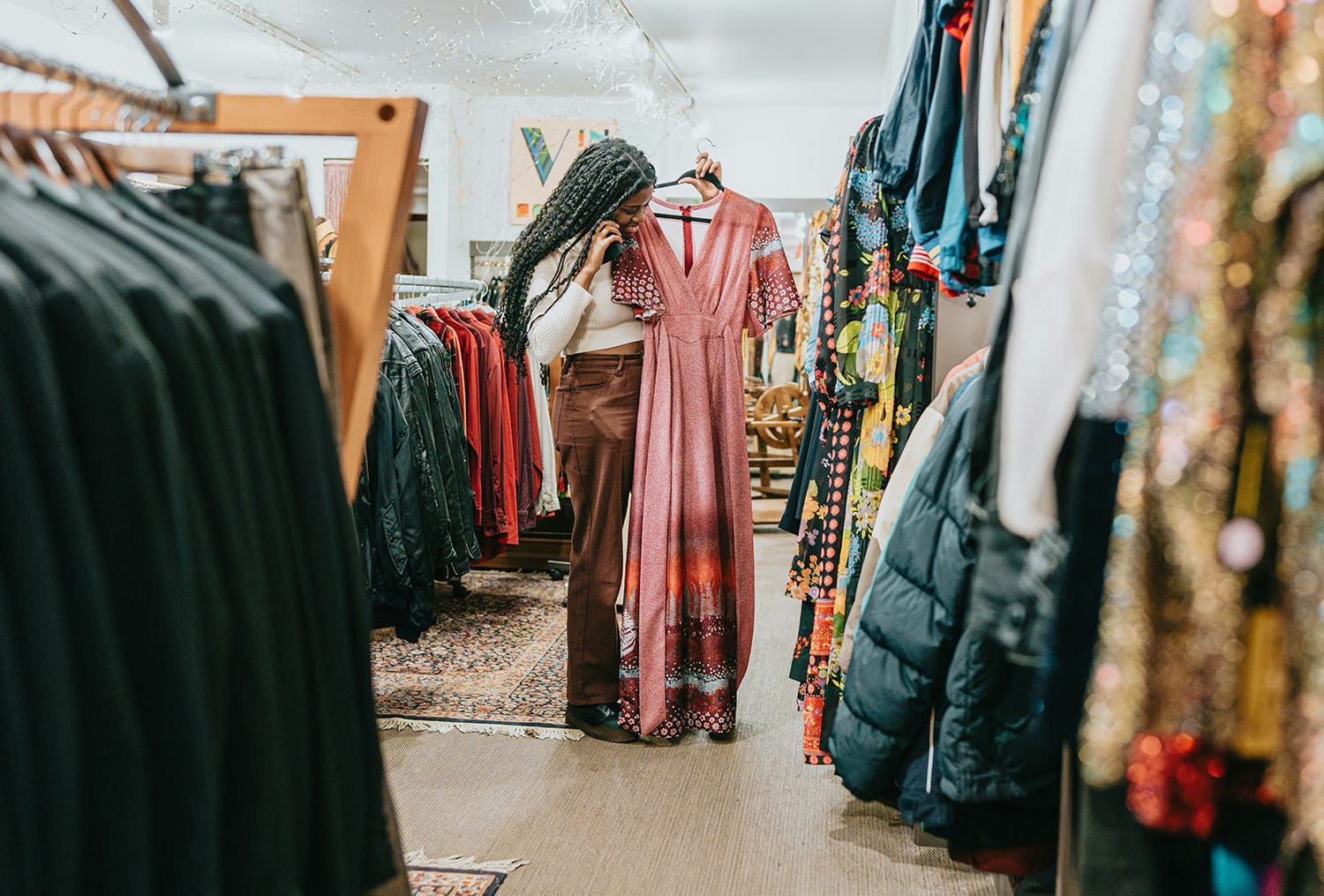
The golden rules of wedding guest style
Before diving into specific codes, keep these golden rules in mind:
- Prioritize fit & comfort: Real style is about feeling completely at ease. Opt for tailored fits, comfortable necklines, slits, and hemlines, and breathable fabrics that let you sit, dance, and celebrate all night without constant adjusting.
- If you are not sure, upgrade: If a dress code feels ambiguous, err on the side of slightly more formal. Better to be a bit overdressed than under.
- Navigating the "no white" rule:
- Reserve all shades of white, cream, and ivory in your dress exclusively for the bridal party unless otherwise indicated on the invite or website, e.g. a black-and-white-themed wedding.
- However, modern etiquette allows a little more room for interpretation for accessories and subtly-patterned outfits. Cream-colored heels, eggshell clutches, pearl jewelry, and prints with hints of white or cream (like a floral dress) are typically fine and won't clash with the bride. But it’s still best to always err on the side of caution. If a dress could look remotely bridal from across the room or in certain lighting, including in photographs, (butter yellow, pale silver, champagne) you may want to consider a colorful or darker base instead.
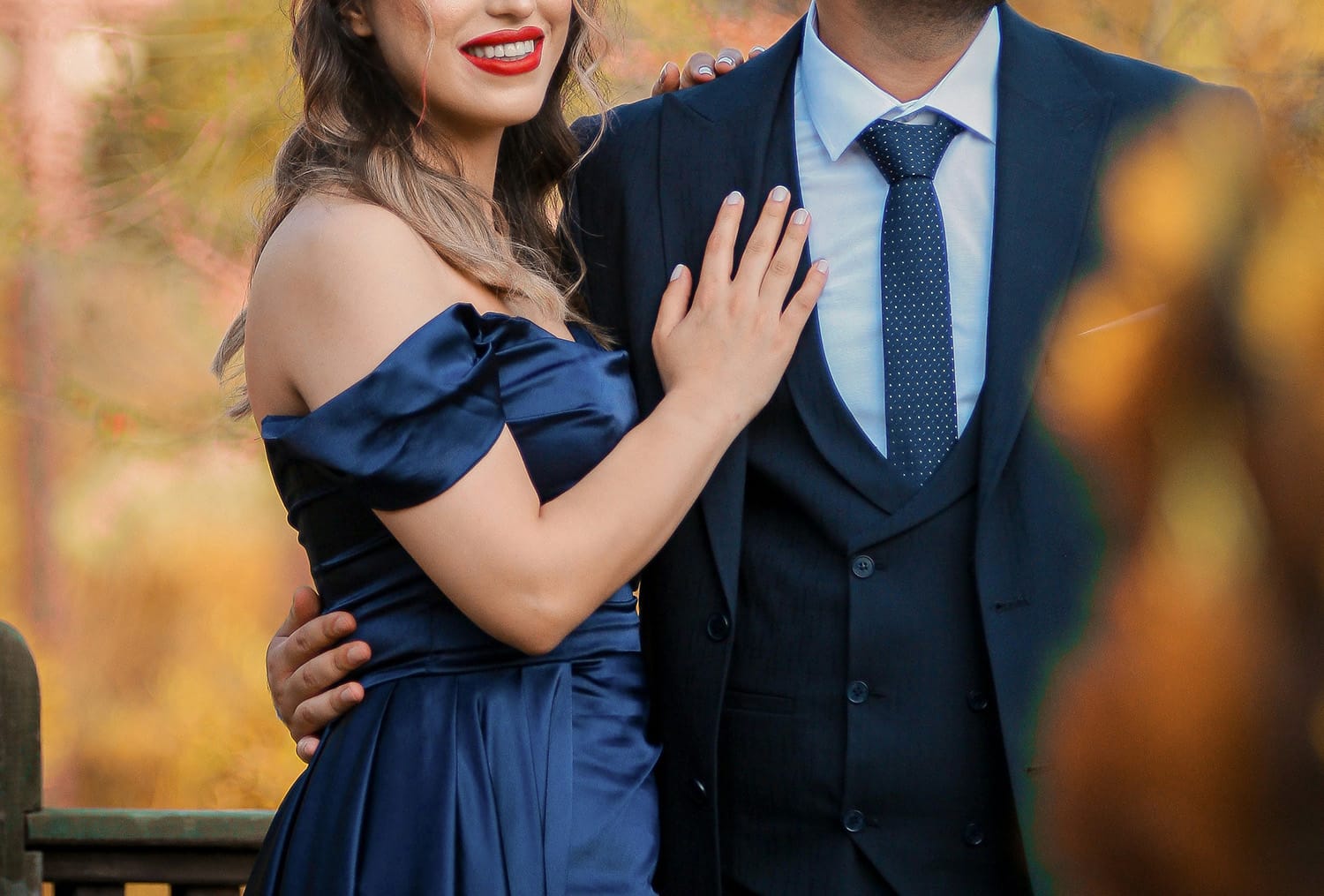
Cracking the dress codes
1. Black Tie
Sleek, glamorous, and traditional.
- For her: A floor-length evening gown or an ankle-length dress in elevated fabrics like silk or satin (matte or metallic), velvet, chiffon, or taffeta and elegant details like beading, jacquard, and embroidery. A few winning silhouettes include column, A-line, and mermaid gowns.
- For him: A classic black or midnight-blue tuxedo, black bow tie, cufflinks, cummerbund or vest, and polished black patent leather dress shoes.
2. Formal or Black Tie optional
Polished and sophisticated, while giving guests flexibility.
- For her: Similar to Black Tie, but more variance in length, a floor-length gown, an elegant ankle or calf-length midi, or a tailored high-end jumpsuit. Midi slip dresses, layered tulle, or chiffon all work beautifully.
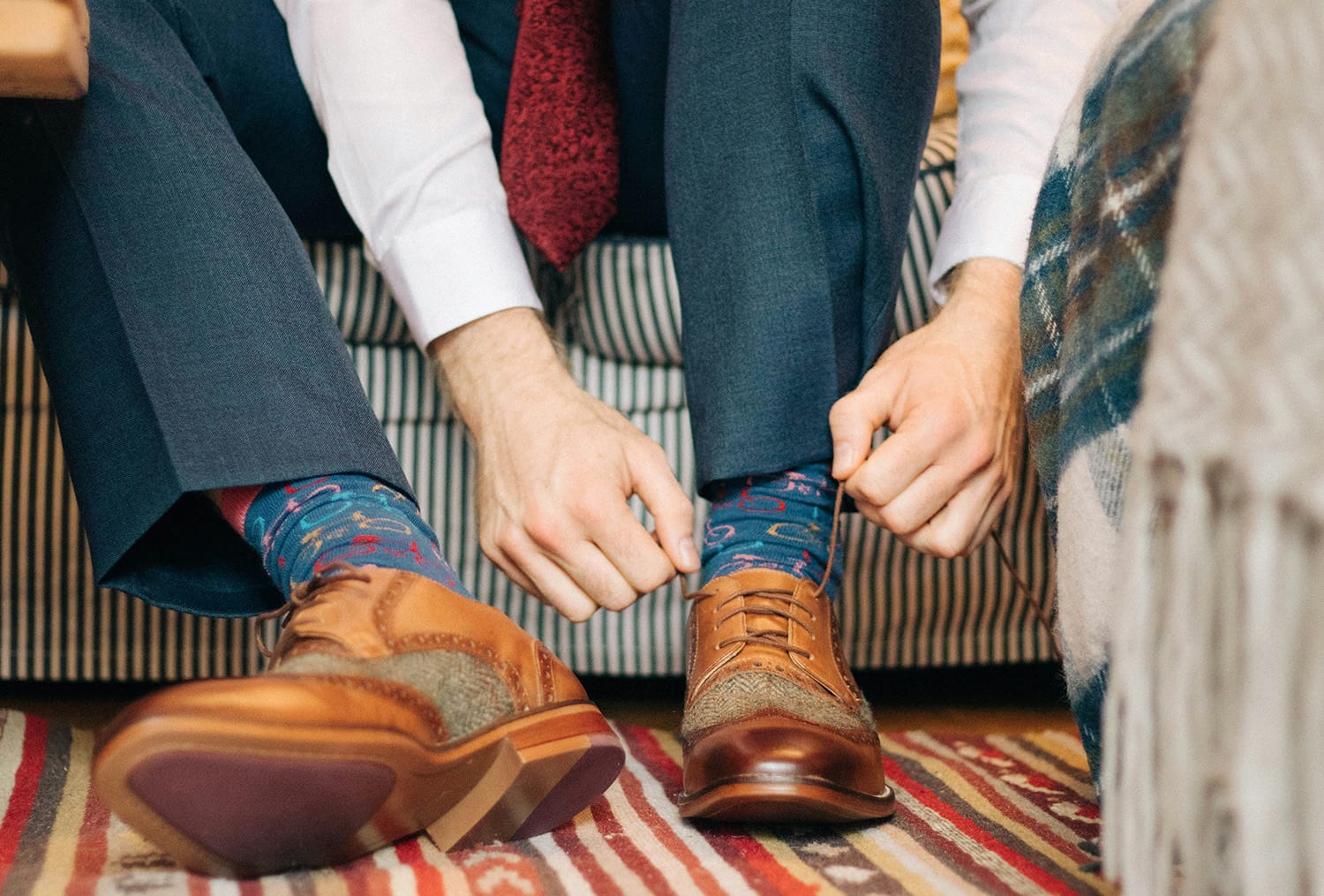
- For him: A tuxedo or dark suit (charcoal, deep navy, or black) with a crisp white dress shirt, a silk or elegant patterned tie, and dark brown or black leather dress shoes.
3. Cocktail
The most common dress code, it strikes the perfect balance between formal and casual.
- For her: Knee- or midi-length dresses in flattering A-line, fit-and-flare, or sheath cuts. Think elegant lace, rich satin, or crepe.
- For him: A well-fitted suit and tie or suit separates. Deep navy, dark gray, or rich seasonal shades like olive, wine, and plum for autumn and winter ceremonies. Spring or summertime can allow for linen, cotton and lighter blues, greens, or tan.
4. Semi-Formal or Dressy Casual
Comfortable yet refined, allowing for slightly more relaxed tailoring.
- For her: A flowy midi or maxi dress, a floral wrap or sundress, or a tailored skirt-and-blouse ensemble. Dressy flats or sandals or sturdy block heels (ideal for grass or sand!).
- For him: A sharp blazer paired with tailored dress trousers or chinos. A tie is optional, but always the elevated choice, and a pocket square adds a polished finish.
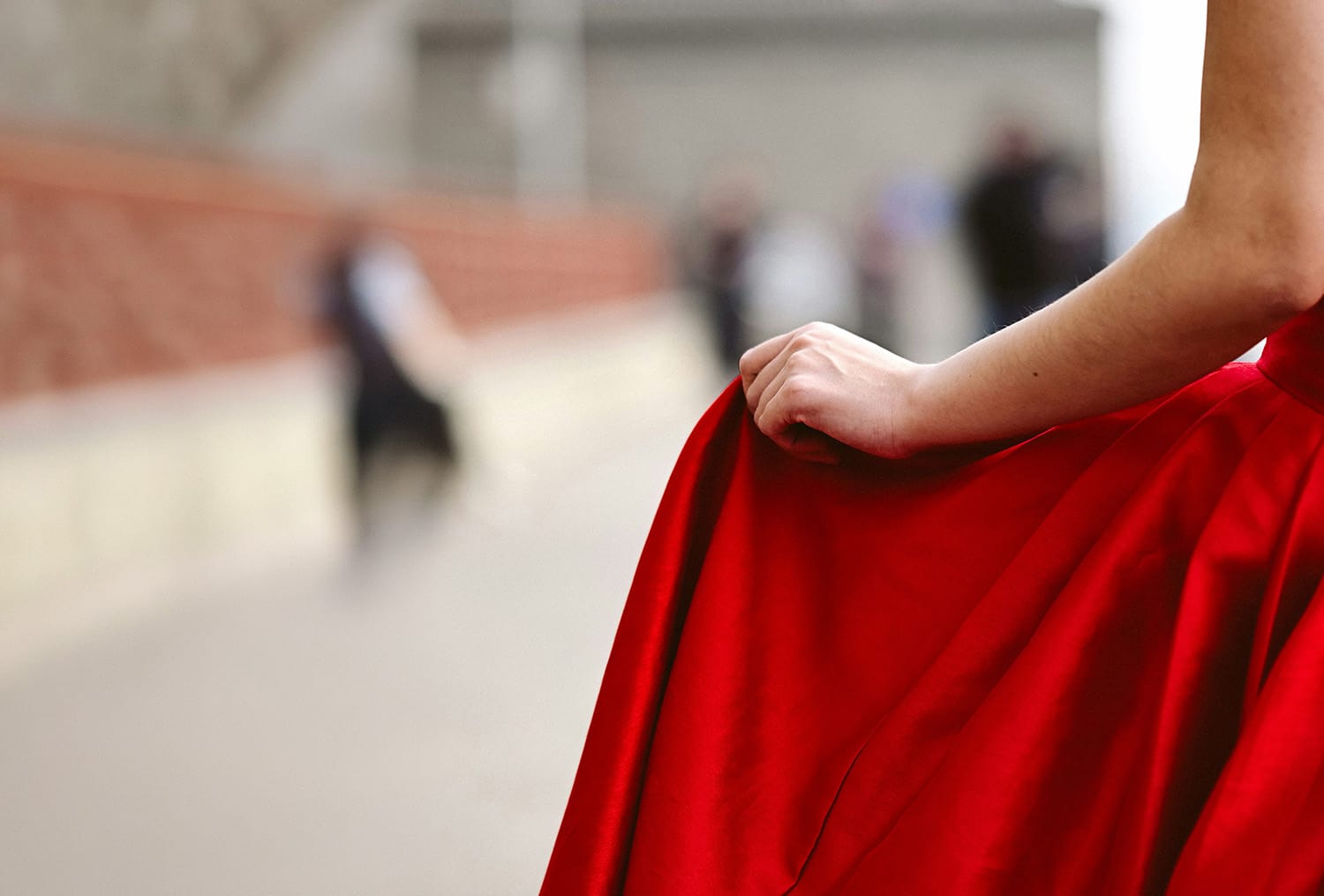
Seasonal color & fabric cheatsheet
- Fall & winter: Look for rich, structured fabrics like velvet, wool blends, jacquard, and silk-satin. Lean into warm, deep tones like emerald green, burgundy, midnight navy, plum, and espresso.
- Spring & summer: Opt for light, breathable fabrics like chiffon, linen blends, and crepe. Lean into soft pastels, dusty blue, sage green, and warm neutrals.
The pro-tips
- When in doubt, ask: If a dress code isn't listed on the invitation or wedding website, don't hesitate to clear an outfit idea with the maid of honor, a bridesmaid, or the bride herself.
- Layer for comfort: Venue temperatures and ceremony settings can fluctuate quickly. An elegant pashmina, light shawl, or chic blazer offers a seamless layer you can slip on for a church liturgy or breezy outdoor cocktail hour.
- Factor in time & venue: Evening receptions and formal ballrooms call for darker tones, richer fabrics, and dramatic prints. Daytime or outdoor events favor lighter fabrics, softer colors, and airy patterns.
- Elevate simple classics: If you don’t want to buy a whole new outfit for every invite, have a go-to simple but quality dress in classic navy or rose or tailored dark suit that can be re-worn and match with any wedding theme. Let your accessories do the heavy lifting.
- Match accessory formality (bags, shoes, and jewelry): Accessories establish the final tone of your outfit. Formal events call for fine gold, crystal, or pearl jewelry, sleek heels, a polished watch, patent dress shoes, and small evening clutches. Casual or daytime weddings give you room for block heels, dressy flats, woven textures, or slightly bolder costume jewelry.
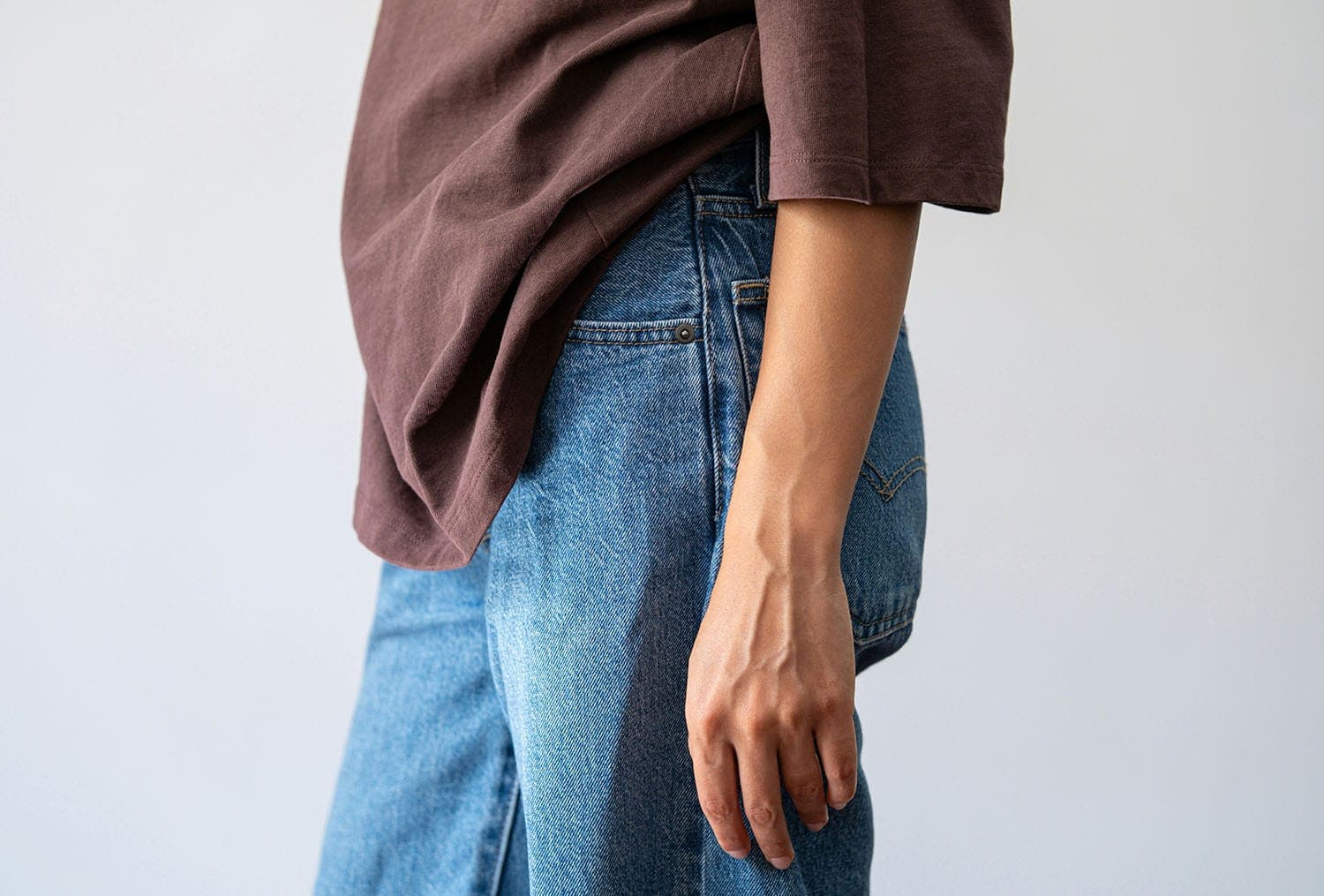
- Almost always skip: Unless requested by the bride and groom, it’s best to avoid wearing anything overly casual that doesn’t reflect the momentous occasion of a wedding. Skip t-shirts, loud logos, denim, jersey dresses, sneakers, activewear, casual sandals or boots, and everyday accessories that clash with formal wear like rubber wristbands or watchbands, digital fitness trackers, or baseball caps.
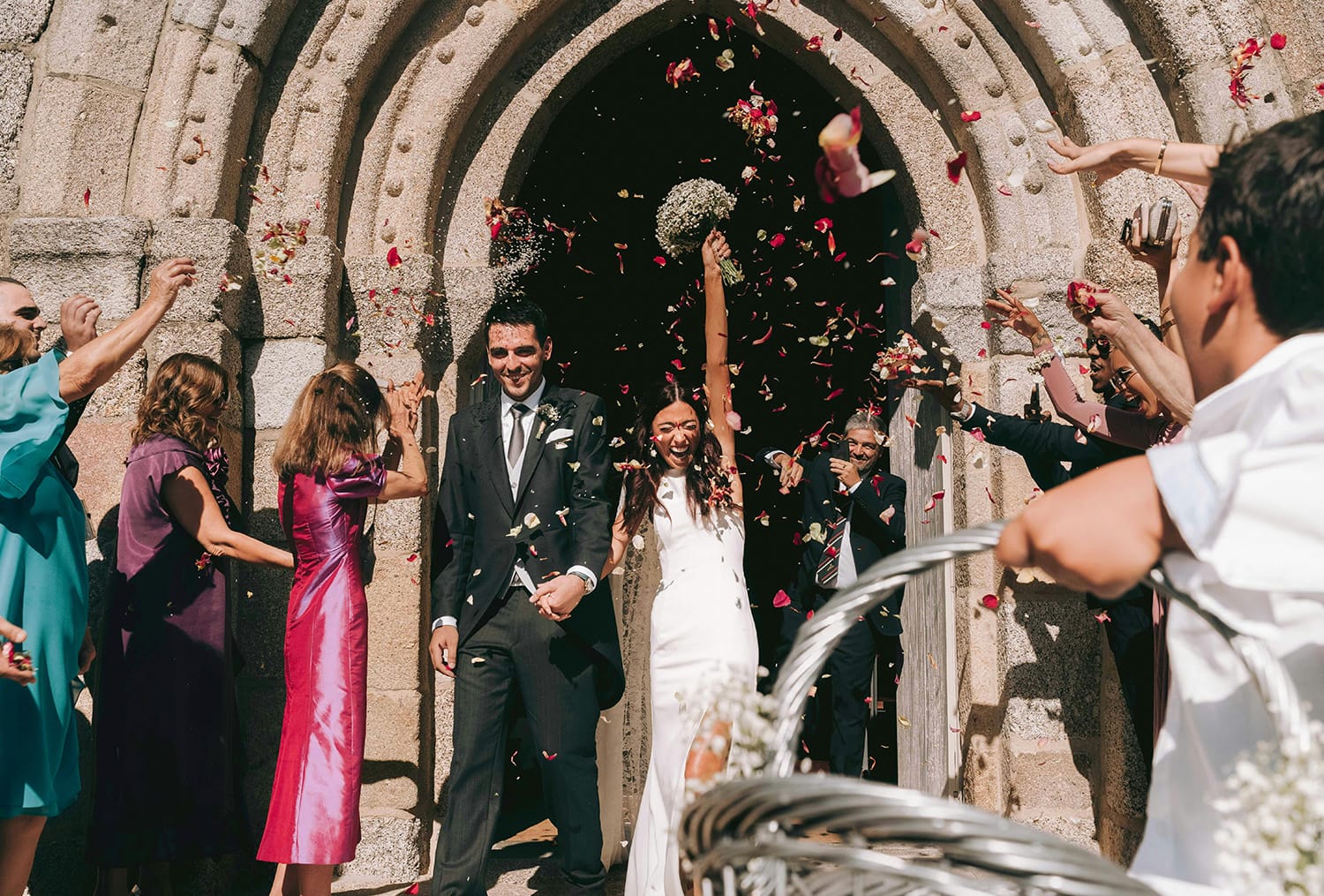
Dressed to celebrate!
At the end of the day, a wedding dress code should be read as an opportunity to dress up, feel great, and honor the couple.




Comments