EXCLUSIVE | Ohio mom’s sainthood cause reaches new milestone as her story leads souls to Christ
Monica Dolenc said Wise’s response to hardship helps Catholics recognize that holiness remains within reach in the circumstances of their own lives.

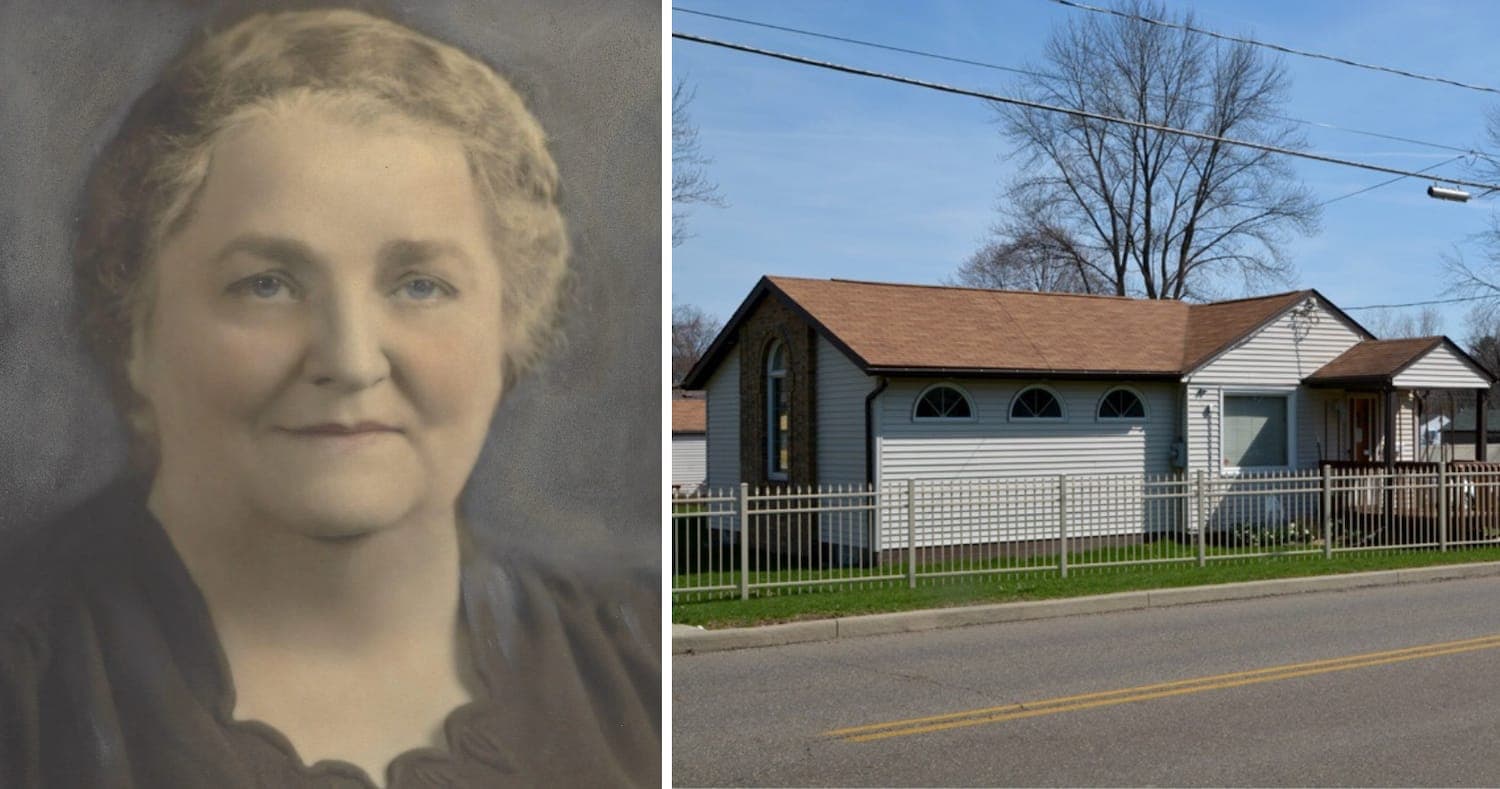
As the sainthood cause of Servant of God Rhoda Wise advances, the hidden life of the Ohio wife, mother, and convert continues to draw pilgrims worldwide to a witness of suffering entrusted to Christ, the vice president of her shrine told Zeale News.
Monica Dolenc, vice president of the Servant of God Rhoda Wise Shrine in Canton, Ohio, spoke with Zeale News in a Sept. 2 interview about the recent progress of Wise’s cause and the devotion that has grown around her nearly eight decades after her death.
The next step in examining Wise's cause for canonization was completed July 7 when the cause’s positio — a document compiling evidence about her life, virtues, and reputation for holiness — was submitted to the Vatican’s Dicastery for the Causes of Saints for review.
“It was a joyful and deeply meaningful moment when we learned that the positio for Servant of God Rhoda Wise had been submitted to the Dicastery for the Causes of Saints,” Dolenc said. “To have reached this milestone is both humbling and exciting.”
Wise converted to Catholicism in 1939 after becoming interested in the faith and the Rosary during a hospital stay for cancer, according to the Diocese of Youngstown, Ohio. She later reported visions of Jesus and St. Thérèse of Lisieux and experienced the stigmata.
Yet Dolenc said those experiences tell only part of Wise’s story.
“I think what can sometimes be overshadowed by the extraordinary aspects of Rhoda’s story is the beautiful simplicity of her faith,” Dolenc told Zeale News. “Long before we speak about the visions, the stigmata, or the healings attributed to her intercession, she was simply a woman who had an overwhelming love for Jesus and who desired above all else to bring souls closer to Him.”
That love for Christ shaped how Wise received and offered her suffering, Dolenc said.
“Rhoda offered herself as a victim soul, uniting her many sufferings with the suffering of Christ and offering them for the conversion and healing of others,” she said. “She had a particular love for priests and religious and offered many of her sufferings for them and for their vocations.”
Prayer remained at the center of Wise’s spiritual life, Dolenc said.
“At its heart, Rhoda’s spirituality was remarkably simple,” Dolenc said. “She loved the Sacred Heart of Jesus, had a deep devotion to St. Thérèse of Lisieux, and faithfully prayed the Rosary each day. Her life reminds us that suffering need not be meaningless or wasted. When we unite our suffering with Christ and offer it in love — for others and for their salvation — even our greatest crosses can become a source of grace and bear tremendous spiritual fruit.”
As a wife and adoptive mother, Wise pursued holiness through the trials of daily life.
“I think that is what makes Rhoda’s life so relevant to Catholics today,” Dolenc said. “Most of us will never be called to do something the world considers extraordinary. But all of us are given opportunities every day to love God through our families, our work, our disappointments, our sacrifices, and even our suffering. Rhoda reminds us that holiness is not necessarily found by escaping the ordinary circumstances of our lives, but by inviting Jesus into them and offering them back to Him with love.”
That path also reveals what surrender to God can require when suffering persists, Dolenc said.
“She endured tremendous suffering, yet continued to surrender herself completely to Him and trust in His will,” Dolenc said. “Her life challenges each of us to consider what it truly means to pray, ‘Thy will be done’ — and to ask ourselves how completely we are willing to trust God with our own lives, especially when His will is difficult.”
The contrast between Wise’s modest life and her continuing influence remains striking to Dolenc.
“By worldly standards, there was nothing about Rhoda’s life that would suggest people across the world would still be talking about her nearly eight decades after her death,” Dolenc said. “She lived a poor, humble life as a wife and mother in a small home in Canton, Ohio. She had no wealth or influence. She never sought attention or recognition. And yet today, people travel from around the world to visit her little home and learn about this ordinary woman who loved Jesus with her whole heart.”
Wise also became a lasting spiritual influence in the life of Rita Rizzo, the future Mother Angelica. As a teenager, Rizzo was healed from a painful stomach ailment after Wise encouraged her to pray a nine-day novena to St. Thérèse of Lisieux, Dolenc said. The two remained friends for life, and Mother Angelica later attributed her religious vocation to the encounter.
Wise’s home continues to receive visitors from far beyond Canton. In 2025, the shrine welcomed nearly 5,500 people from 38 states and 19 countries. Dolenc said attendance in 2026 is on track to surpass that total.
Pilgrims also pray at the grotto that Wise said Jesus instructed her to build and share accounts of favors, graces, and healings attributed to her intercession.
For Dolenc, that continuing devotion reveals the enduring reach of Wise’s quiet life.
“Nearly 80 years later, Rhoda reminds us that we do not need to be famous, powerful, wealthy, or accomplish something the world considers remarkable in order for our lives to have tremendous meaning,” she said. “God can do extraordinary things through an ordinary life completely surrendered to Him. Rhoda simply loved Jesus, trusted Him with everything, and tried to bring others closer to Him — and the fruits of that love continue to unfold today.”










Comments