Federal judge denies abortion pill manufacturers’ dismissal request, pauses lawsuit until after midterms
The pause gives the FDA more time to complete a safety review of the abortion pill, but pro-life advocates say further delay leaves women without full information about the drug’s risks.
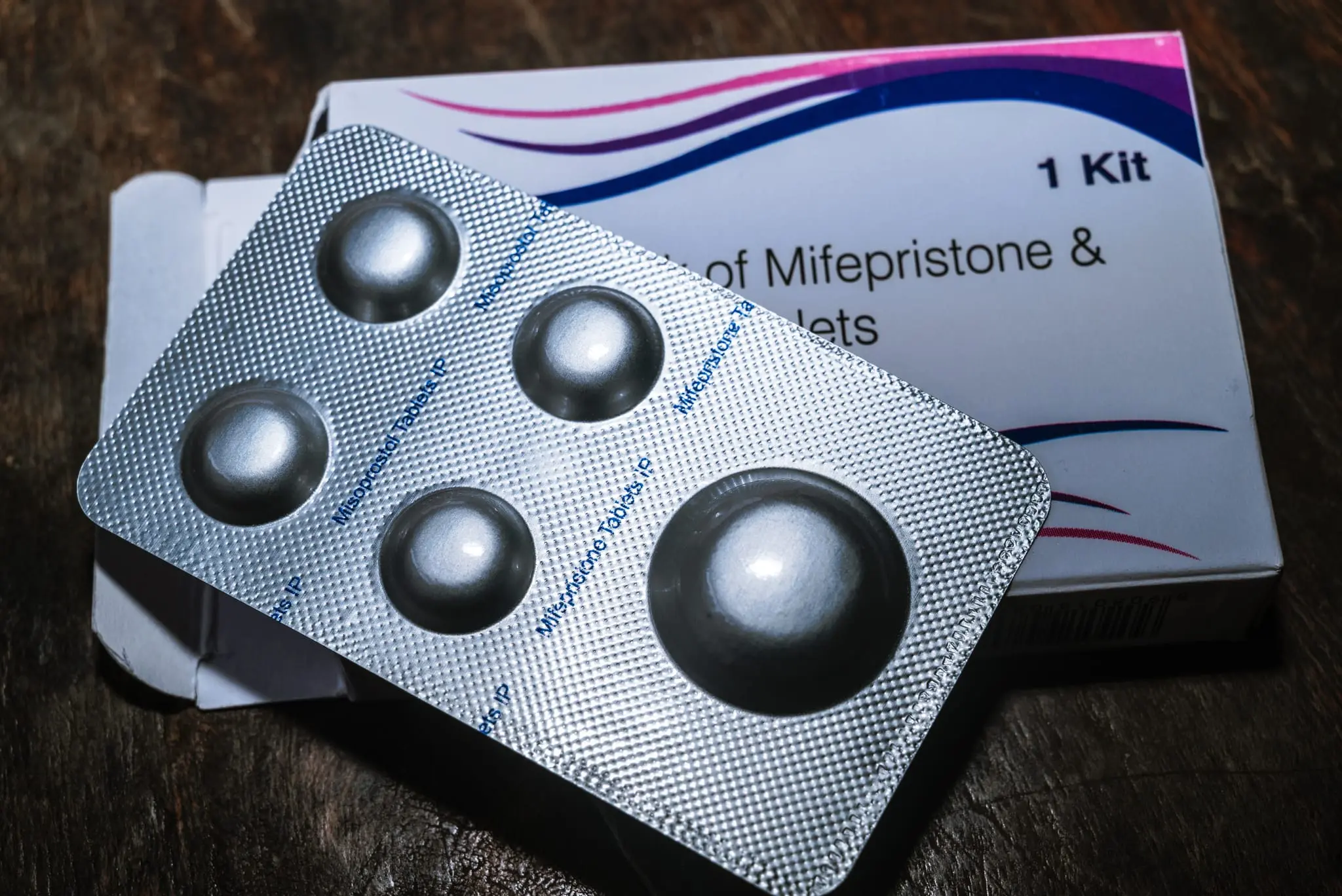
A federal judge has paused a lawsuit seeking to revoke the FDA’s approval of the abortion pill mifepristone until at least December, giving the agency more time to complete a safety review of the drug and drawing concern from pro-life advocates who say further delay leaves women without complete information about its risks.
U.S. Chief District Judge Reed O’Connor of the Northern District of Texas granted the delay Aug. 30 at the request of the Department of Justice, with Texas and Florida’s attorneys general agreeing to it. The two states filed the lawsuit in December 2025, seeking to permanently revoke the FDA’s original 2000 approval of mifepristone along with a series of later decisions that eased access to the drug.
Judge O’Connor agreed with the two states’ arguments that they had been harmed by increased Medicaid costs associated with treating women who had complications from taking the abortion pill and that out-of-state prescribers of mifepristone were undermining the two states’ pro-life laws.
In the same ruling, O’Connor denied a motion to dismiss the case brought by mifepristone distributor Danco Laboratories and manufacturer GenBioPro, which intervened as defendants in April.
The case is one of three pending federal lawsuits that could reshape nationwide usage of mifepristone. A separate case from Louisiana challenging the rule allowing the drug to be dispensed without an in-person visit goes before the 5th U.S. Circuit Court of Appeals for oral arguments Sept. 9, and attorneys general in Missouri, Idaho, and Kansas have asked a federal judge to roll back mifepristone’s rules to their pre-2016 state, when the drug was approved only through seven weeks of pregnancy and required three in-person visits.
Pro-life groups, some of which have separately pressed the Trump administration to enforce the 19th-century Comstock Act against mailed abortion pills, said the pause compounds an already sluggish safety review. Live Action, a pro-life advocacy group, said pro-life medical associations and legal experts have warned that continued delay “threatens public trust” and leaves women without the information they need to give truly informed consent before taking the drug.
Zeale News has separately reported on mifepristone-related safety questions this year. A July study published as a preprint in Issues in Law & Medicine, a journal of the Alliance for Hippocratic Medicine, reported detecting mifepristone in drinking water samples collected near Austin, Texas; Blacksburg, Virginia; and Carbondale, Illinois, raising questions the study’s authors said should factor into whether the EPA adds the drug to a chemical tracking list. The researchers said further testing was needed to confirm the source of the contamination.
While not the only factor, the loosening of regulations under the Obama and Biden administrations to expand who can prescribe chemical abortion pills, increase caps on the age of the baby allowed to be aborted, and permission to conduct visits via telehealth has likely contributed to a significant uptick in chemical abortions compared to surgical abortions. The Guttmacher Institute’s Abortion Provider Census / Monthly Abortion Provision Study reports that in 2001 less than 10% of abortions were chemical, but by 2023, 63% of abortions were chemical.
GenBioPro CEO Evan Masingill, whose company is defending the drug in the Texas case, said in a statement Aug. 31 that the company expects the FDA’s ongoing review to reaffirm 2023 findings that “our product is safe and effective” and that GenBioPro would continue pursuing all legal and regulatory options to preserve access to the drug.











Comments