Alarming study finds abortion-inducing drug in drinking water of 3 US cities
Researchers said the findings warrant concern and further investigation into the source of the anti-progesterone activity and its potential effects on fertility, pregnancy, and animal health.

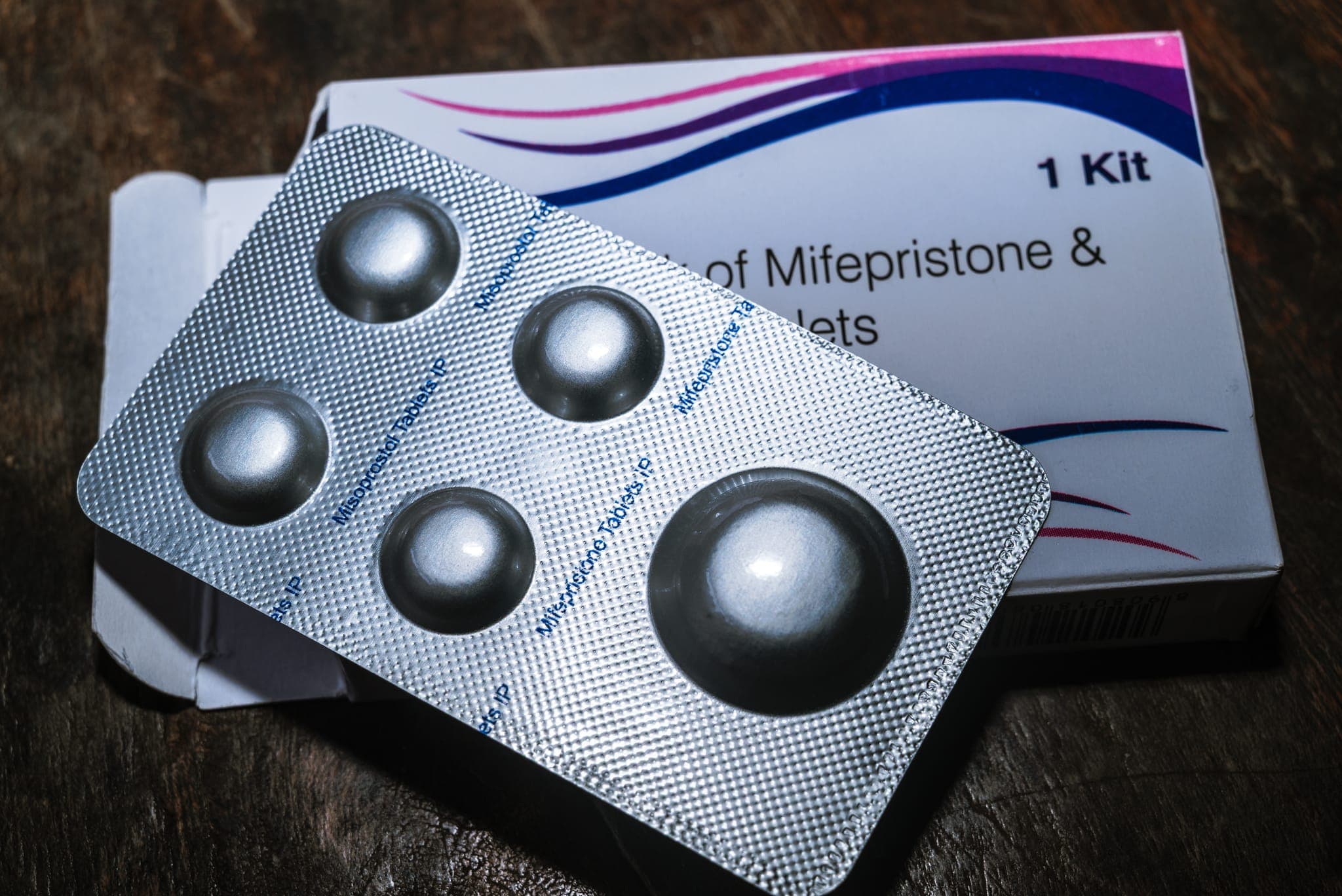
A new study reports detecting mifepristone, an anti-progesterone drug used in chemical abortions, in water samples from three U.S. cities, raising concerns about potential harmful implications for fertility and pregnancy.
The research article, titled “Anti-Progesterone in Environmental Water,” was published online July 20 as a preprint in Issues in Law & Medicine, a journal published by the Alliance for Hippocratic Medicine. Researchers collected 36 water samples near Austin, Texas; Blacksburg, Virginia; and Carbondale, Illinois. In each area, they collected four upstream and four downstream samples from a wastewater treatment facility, along with four municipal tap water samples.
The test measured anti-progesterone activity and reported the results as mifepristone equivalents. The researchers said additional testing is needed to confirm the source of the activity and assess its potential health effects.
In one of the authors’ statistical analyses, eight of the nine groups of upstream, downstream, and tap water samples showed significantly greater anti-progesterone activity than the lab’s baseline control samples consisting of distilled water. Individual measurements reached as high as 0.041 micrograms per liter, or 41 parts per trillion, in one sample.
Study co-author Elise Rose said the findings warrant concern.
“Because of the importance of progesterone for human and animal health, the presence of anti-progesterone in environmental and tap water poses potential health risks,” she said, according to a July 24 Students for Life of America (SFLA) press release. “Everyone should be concerned that we are possibly being exposed to an endocrine-disrupting compound without our consent.”
SFLA President Kristan Hawkins said the study grew out of the pro-life organization’s push for clean drinking water that is free from abortion-drug contamination. She urged the Environmental Protection Agency (EPA) to expand testing nationwide, “especially in light of so many struggling with infertility.”
“Not only does this show that we were right all along — some of us are drinking other people’s abortions — but it also shows the EPA that there is a test for mifepristone, as that is one of the criteria the agency considers when adding something to a tracking list,” Hawkins said in the release.
The researchers identified mifepristone excreted after chemical abortions as one possible source of the anti-progesterone activity, citing the drug’s growing use in the U.S.
Mifepristone — which is now used in more than 60% of abortions in the nation — blocks progesterone, a hormone necessary to sustain a healthy pregnancy.
Studies cited in the article found that women who took low doses of mifepristone over extended periods of time have documented suppressed ovulation, absent menstruation, and changes in uterine lining. Other research has associated low progesterone levels with lower rates of fertility, higher rates of miscarriage, and higher rates of complications during pregnancy.
The report also noted that mifepristone exposure could cause men to experience low progesterone levels, which have been associated with alopecia, bone loss, erectile dysfunction, fatigue, and obesity.
Hawkins noted in the release, “Within minutes of learning that the paper was published online, it was submitted to the EPA to be reviewed by the advisory committee, which will report to EPA Administrator Lee Zeldin.”
SFLA has petitioned the EPA to monitor mifepristone and its metabolites under the Safe Drinking Water Act. According to SFLA’s release, 14 Republican state attorneys general and 19 Republican members of Congress have also asked the agency in recent months to examine whether the drug should be tracked as a water contaminant.
The EPA included pharmaceuticals as a group on its draft list of drinking-water contaminants that may require further study, but it did not name mifepristone separately. The list helps the agency prioritize research and determine whether contaminants may need future regulation under the Safe Drinking Water Act.
SFLA Executive Vice President Tina Whittington said the organization helped pursue the U.S.-based water testing after struggling to find a company willing to work with it.
“We were told we had to prove mifepristone was in the water in the U.S. to get anyone to care. On our own, we started to reach out to water testing companies only to have our business declined,” Whittington said in the release.
While “we have been vindicated,” the “larger response” to the study will hopefully be an “urgency to clean up our water,” she said. “The harm to endangered species and potentially the human harm is incalculable.”








Comments