US bishops mark religious freedom commemoration with call to defend human dignity in digital age
Ahead of International Religious Freedom Day, Oct. 27, U.S. bishops warn that artificial intelligence could intensify religious persecution and call for greater protections rooted in human dignity.
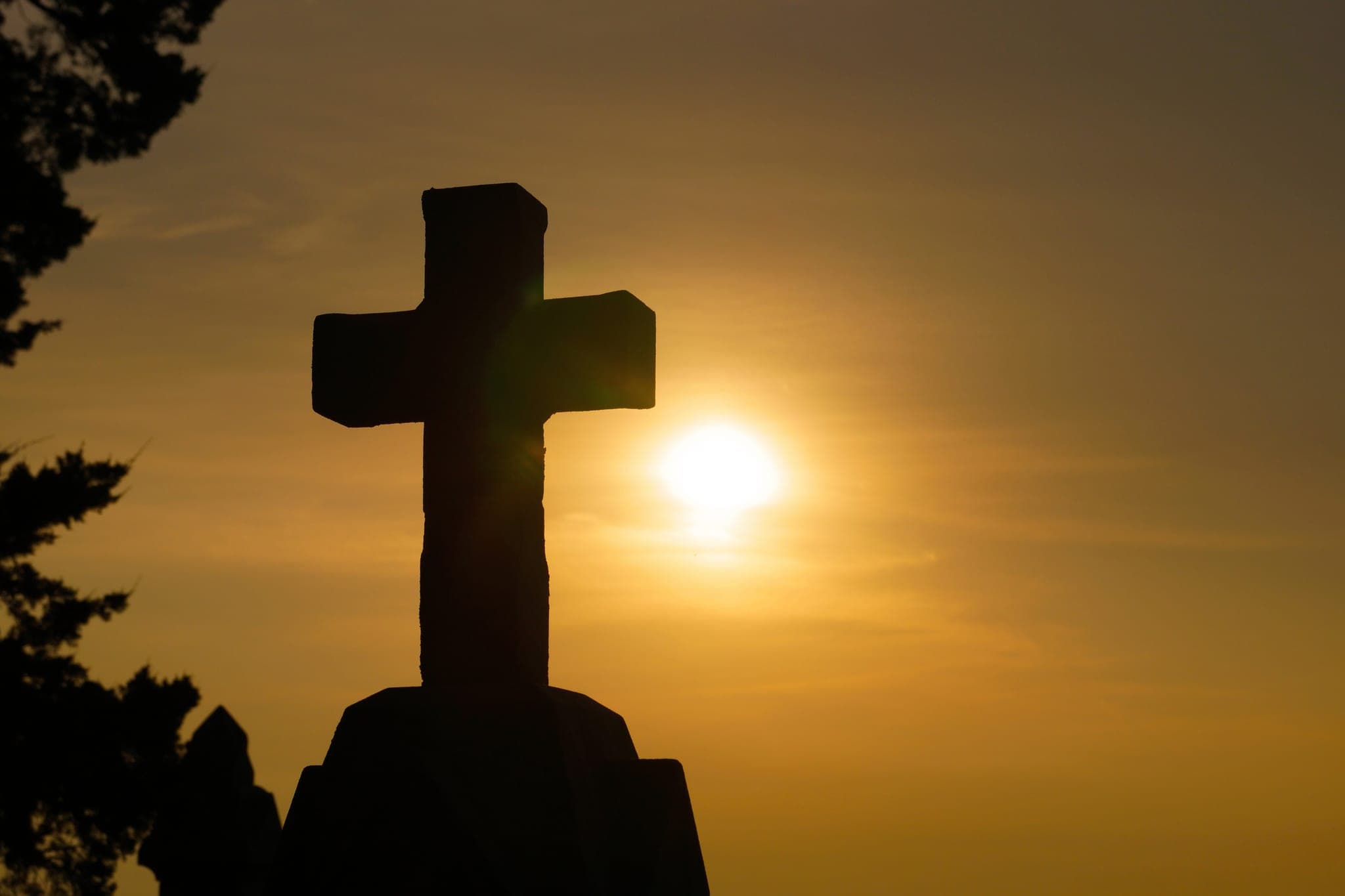
Ahead of International Religious Freedom Day Oct. 27, U.S. Catholic bishops are urging renewed efforts to protect religious liberty worldwide, warning that emerging technologies, including artificial intelligence (AI), could create new threats to human dignity and freedom of conscience.
The annual observance commemorates the signing of the International Religious Freedom Act in 1998.
In an Oct. 21 statement, Archbishop Alexander Sample, chairman of the United States Conference of Catholic Bishops' (USCCB) Committee for Religious Liberty, and Bishop A. Elias Zaidan, chairman of its Committee on International Justice and Peace, emphasized that respect for human dignity must remain the foundation of efforts to defend religious freedom.
"Throughout the world, millions of people continue to suffer violations of the basic human right to religious freedom," the bishops said.
They warned that AI and other rapidly advancing technologies could enable more extensive surveilling and persecuting religious communities.
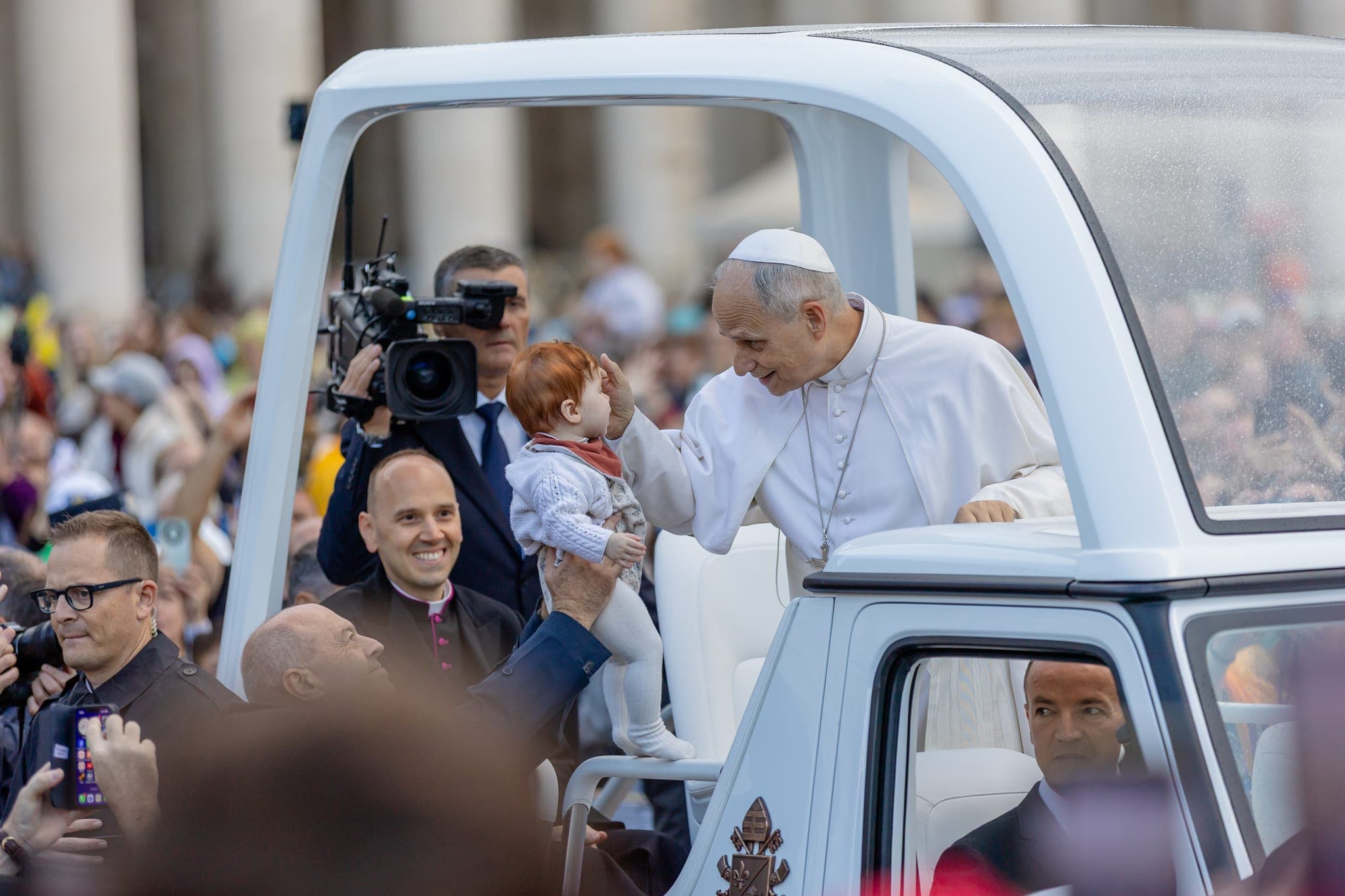
Citing Pope Leo XIV, the bishops emphasized that religious freedom is rooted in the dignity of every human person.
The bishops also highlighted the importance of cooperation between religious institutions, government agencies, and private businesses in confronting emerging threats.
They pointed to the USCCB Committee on International Justice and Peace’s ongoing collaboration with the U.S. Commission on International Religious Freedom as an example of how faith leaders and public officials can work together to address violations worldwide.
“This partnership is a testament to the power of joint efforts by government and faith leaders to protect this most cherished right,” the bishops said.
The bishops also called on the private sector to ensure that emerging technologies are not used to facilitate religious discrimination.
For Catholics, the bishops emphasized, defending religious freedom also means helping build a digital culture that respects every person's search for truth and freedom.
The bishops also invoked the 250th anniversary of American independence in their appeal for Catholics to defend religious freedom worldwide.
“May the Sacred Heart of Jesus, burning with love for all of humanity,” they concluded, “make us beacons of hope for our brothers and sisters throughout the world by defending religious freedom in the digital age.”




Comments