Former senator Ben Sasse scrutinizes ‘factory model’ public schools, links rise to anti-Catholic efforts
Former Nebraska Republican Sen. Ben Sasse sharply criticized the structure of modern public education on June 2, arguing that the American school system’s “factory model” is ill-suited for children and largely rooted in efforts to separate Catholic families and parishes from children’s formation.


Former Nebraska Republican Sen. Ben Sasse sharply criticized the structure of modern public education on June 2, arguing that the American school system’s “factory model” is ill-suited for children and largely rooted in efforts to separate Catholic families and parishes from children’s formation.
Speaking during a Trinity Forum event in Washington, D.C., Sasse, a former university president who has pancreatic cancer, argued that the institutionalization of childhood has been “pretty bad overall” and especially harmful for boys, who are often expected to sit still in “passive receive mode” for the “vast majority of the waking hours” they spend at school.
“I just think [that] is incredibly stupid,” he said. “And I think eventually – I don’t know if it’s 10 years from now or fifty years from now – but I think eventually we’re going to look back on this moment, and we’re going to think it’s weird how long factory model schooling outlived factories.”
Sasse said nomadic and agrarian societies did not educate children in the same way. The factory model for work emerged roughly 175 years ago, he said, while the practice of applying the model to childhood more broadly is only about 110 years old.
He tied the spread of the public school system directly to 19th-century cultural and religious tensions.
“The spread and rise of American public schools in the factory model was overwhelmingly about separating Catholic kids from their parents and their parish,” Sasse told the audience. “That’s what it was for.”
A 13-second clip of Sasse making that argument spread quickly online, with several Catholic commentators resharing the video.
Jeremy Wayne Tate, founder of the Classical Learning Test (CLT) and a proponent of classical education, shared the clip on X in a post that garnered more than 1 million views. Sasse, he said, had explained “the real reason compulsory education ever started in America” in 13 seconds.
“Catholics, consider this when making choices about education for your children,” Tate added.
Mary Rice Hasson, a senior fellow and director of the Person and Identity Project at the Ethics and Public Policy Center, pointed to the historical tensions that gave rise to the Catholic school system.
“That’s why the Catholic bishops created Catholic schools in 1884 — to ensure that they could teach the faith to Catholic kids because public schools promoted Protestant theology,” Hasson wrote.
Historians have connected the growth of Catholic education in America to similar religious and cultural tensions. Catholic schools developed in large part as a response to tax-supported “common schools” in the 19th century, which were often described as nonsectarian but followed “a recognizably Protestant routine” that included King James Bible readings and Protestant prayers and hymns, as Zeale News previously reported.
“Catholicism, when it appeared at all, was cast in opposition — foreign, hierarchical, superstitious, and ill-suited to republican life,” Zeale News reported, noting that some schools framed Catholicism as tyrannical, depicted the Pope as the Antichrist, and treated Catholic devotional practices as forms of idolatry.
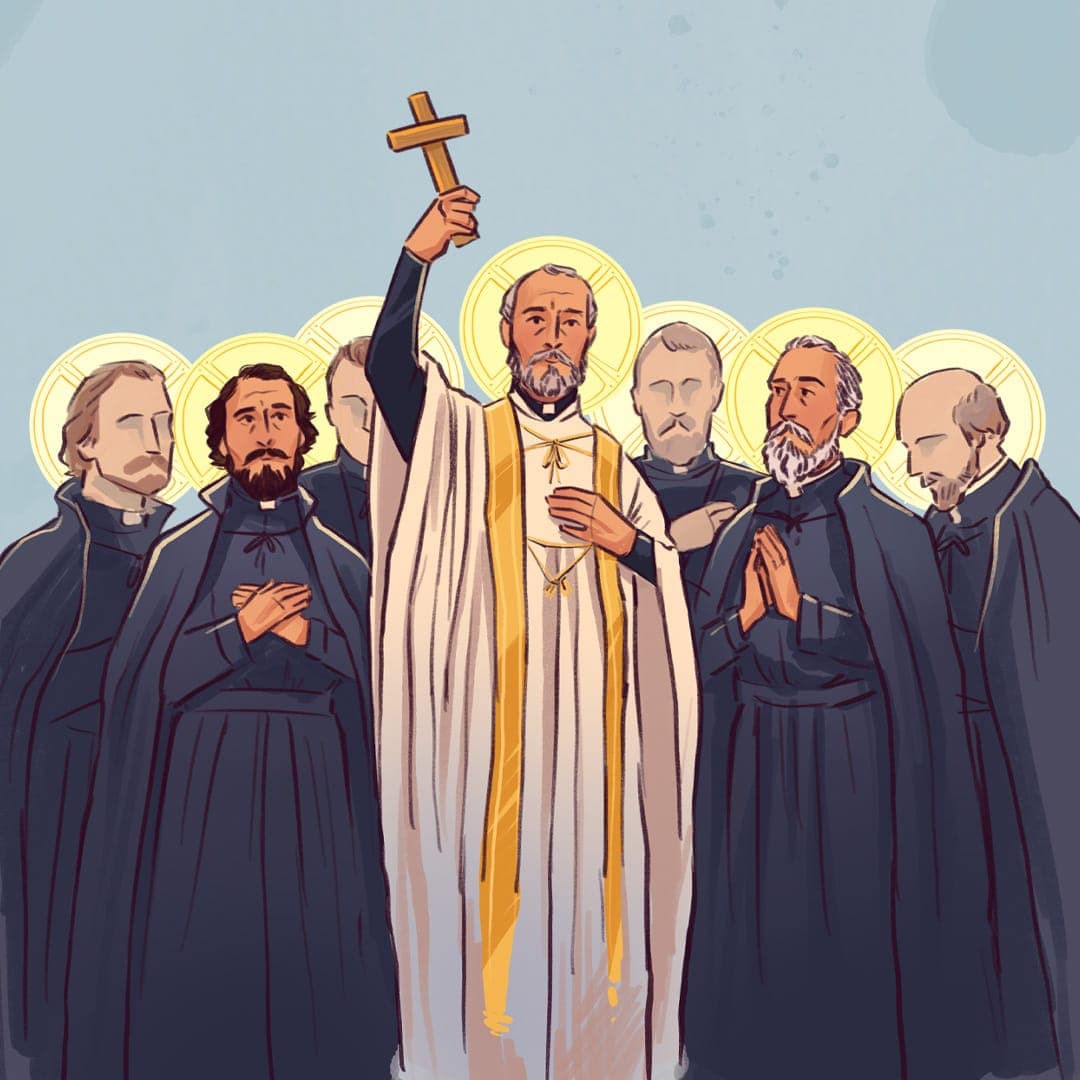
In response, Catholic leaders built parish schools to protect their faith, culture, and parental authority, often at significant sacrifice, tangibly reflecting the Church’s conviction that education is not merely the transmission of information but the formation of the whole person.




Comments