A Catholic review of ‘The Ruthless Elimination of Hurry’
John Mark Comer's 'The Ruthless Elimination of Hurry' provides a valuable foundation for faithful Catholics who may feel their faith has become a laundry list of checkboxes, rather than a slowly cultivated personal relationship with God.
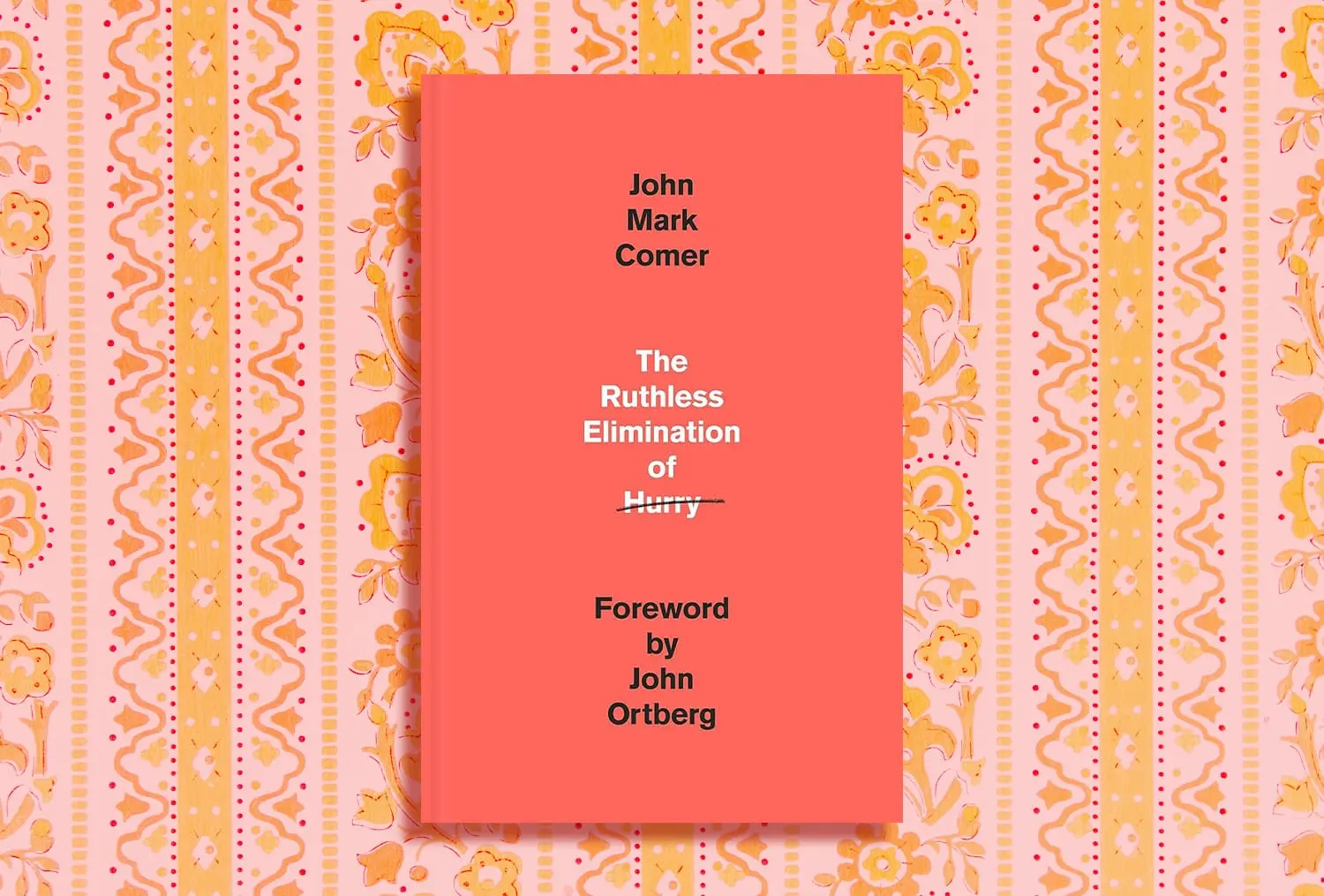
The Ruthless Elimination of Hurry: How to Stay Emotionally Healthy and Spiritually Alive in the Chaos of the Modern World by non-denominational pastor and writer John Mark Comer is a refreshing take on the necessity of presence. In modern day, it is increasingly tempting to try to do more. Even well-meaning Christians are not immune to the subtle idea that consuming more and producing more will lead to a better or fuller life.
Comer challenges this idea in a compelling and thorough way, relying on his own experience and the model Christ gives us in the Gospels. Although the topic of this book is broadly applicable, the themes addressed provide a valuable foundation for faithful Catholics who may feel their faith has become a laundry list of checkboxes, rather than a slowly cultivated personal relationship with God.

The problem
In the first section of “Hurry,” Comer lays out the myriad of factors that have led to modern life being exceptionally fast-paced and hectic. His analysis is relevant and eye-opening. It can be hard to see the water that you are already swimming in, but Comer draws attention to key facets of modern life that are undercutting our spirituality. As Comer begins to present antidotes to these modern challenges, it becomes increasingly clear to careful readers that his proposed solutions are deeply compatible with Catholic tradition and practice.

The solution
The sacramental life of the Church and the liturgical calendar are, in themselves, a sort of bulwark against the influences of modern hurry culture. The cyclical pattern of feasting and fasting, and the careful and particular ceremonial elements of the sacraments, keep us in touch with our eternal home while we are still rooted in this material world. Comer even goes so far as to say that the solution to “hurry” is a rule of life. The monastic pattern of living that St. Benedict exemplified as a way of preserving culture in 516 A.D. remains relevant today.
On a personal level, Comer offers reminders for one's inner life and disposition toward business and productivity. He frequently references Jesus’ example in Scripture, offering insight and attention to detail that is rich fodder for contemplation. His easy-to-read and personable writing style cuts to the heart of our interior dialogues and challenges the reader to think twice about their go-to excuses. Comer boldly nails down the central problem of our time — a lack of awareness of God’s presence.

The challenge
With Comer’s thoughtful analysis on the problem of hurry, Catholic readers will find themselves challenged by an invitation to go deeper into the idea of presence. Thankfully, the gift of the Eucharist gives us a priceless opportunity to receive His True Presence, so we do not need to rely only on an internal disposition or awareness. Nonetheless, the ideas laid out by Comer are a valuable tool for rebuilding one’s trust in the value of presence and for rooting out the roadblocks and illogical obstacles that society has pressured us to adopt.
For those who enjoy Comer’s work and want to go deeper into the spiritual aspects, The Practice of the Presence of God by Brother Lawrence is a spiritual classic rich in Catholic theology, whose value as a spiritual tome has recently been extolled by Pope Leo IV.






Comments