Lawyer says Trump DOJ betrayed religious liberty in SCOTUS vaccine brief
The U.S. Department of Justice (DOJ) has filed a brief with the U.S. Supreme Court urging it not to review a case brought by several New York healthcare workers who were fired for refusing to comply with a mandated COVID-19 vaccine due to their religious beliefs.

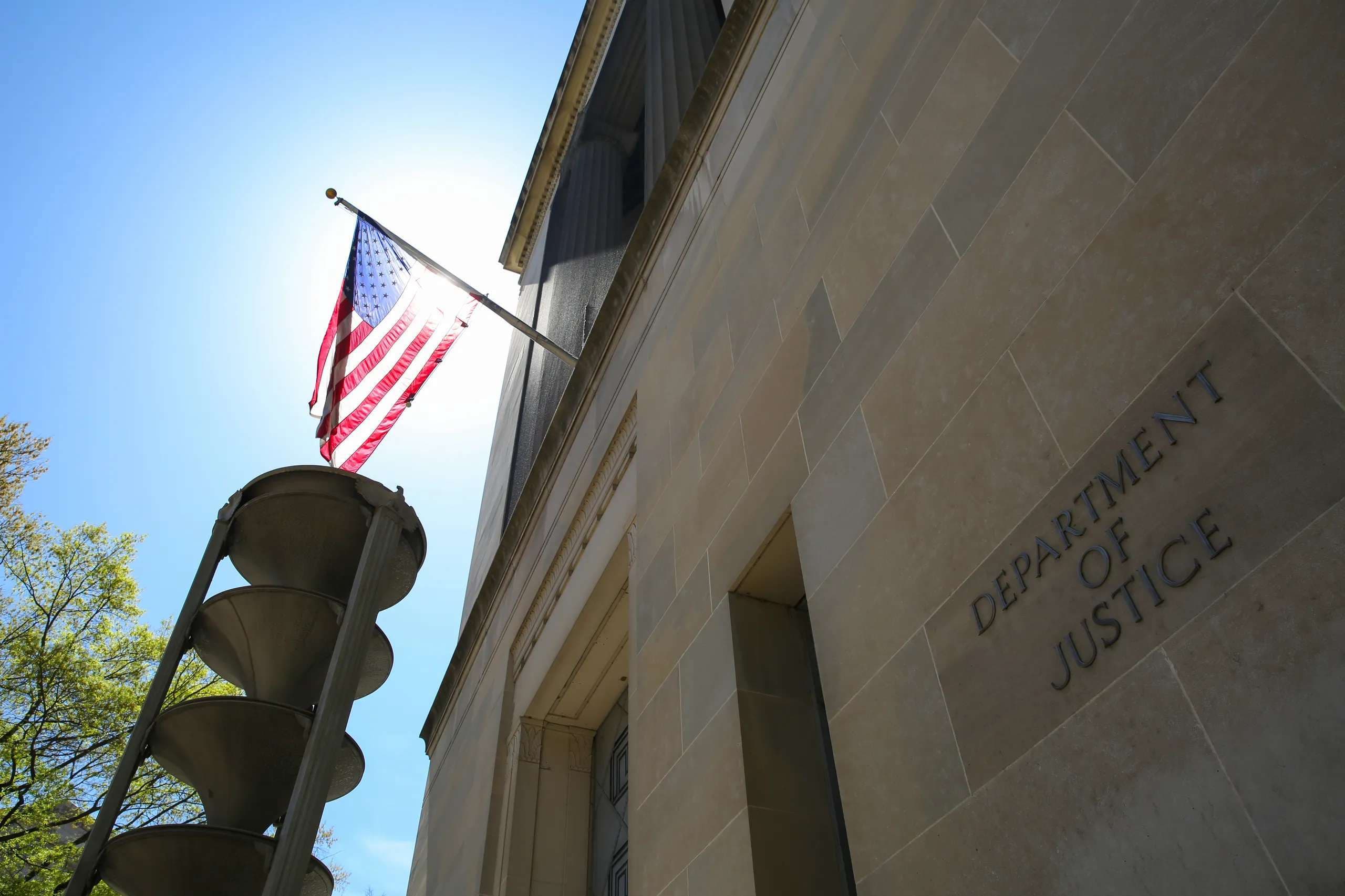
The U.S. Department of Justice (DOJ) has filed a brief with the U.S. Supreme Court urging it not to review a case brought by several New York healthcare workers who were fired for refusing to comply with a mandated COVID-19 vaccine due to their religious beliefs.
Lawyer Aaron Siri, who has worked with several of the affected employees, stated on X that the Trump administration’s position on the case — and religious freedom exemptions from such mandates — “is a sharp betrayal.”
According to Siri and court documents, the case centers on New York’s Section 2.61, a now-repealed regulation that required all healthcare workers to receive the COVID-19 vaccine. The regulation provided a medical exemption but not a religious one.
The employees argued that the regulation conflicted with Title VII of the Civil Rights Act of 1964, which requires employers to provide reasonable religious accommodations unless they create an undue hardship. However, the U.S. Court of Appeals for the Second Circuit found that the workers were asking for complete exemptions and decided that granting those would put employers in violation of the regulation and potentially subject them to state penalties, therefore constituting undue hardship.
In its brief, the DOJ argues that it is unnecessary for the Supreme Court to review the case because, according to the Second Circuit’s interpretation, the regulation technically does not exclude the state from providing religious accommodations, which it says are a separate category from religious exemptions.
However, Siri said that the brief betrays the religious employees by “nonsensically and shamefully” playing “word games to characterize their requests as seeking an ‘exemption’ (which New York law prohibited) instead of an ‘accommodation’ (an option federal law requires).”
He later continued, “The DOJ should have simply argued the obvious – that Section 2.61 foreclosed any religious exemption and hence should not stand under federal law. Period. That would have taken one or two pages. Instead, it spends over 20 pages creating a word salad of nonsense to justify New York’s and the DOJ’s unjustifiable position.”
Analyzing the case on his Substack, journalist Jefferey Jaxen wrote that the DOJ’s brief sets a dangerous precedent of considering religious exemptions as burdensome.
“Under Title VII, as clarified in Groff v. DeJoy (2023), employers must accommodate religious practice unless it imposes substantial increased costs,” he wrote. “Yet the DOJ’s brief effectively blesses a regime where religious belief is disfavored, allowing employers to hide behind preempted state rules.”
Jaxen said if the Supreme Court denies the case, it could put religious exemptions and free exercise rights across the country in jeopardy, ultimately treating faith as “second-class.”
“As Siri warned, this is no minor technical brief; it is a “sharp betrayal” that could erode religious freedom for millions,” he wrote. “The Supreme Court must recognize the broader threat and take the case to reaffirm that no employer or state can lawfully force a choice between livelihood and conscience.”
Tom McClusky, director of government affairs at CatholicVote, said the DOJ’s brief has left a negative public impression and is likely to satisfy lawyers and no one else.
“It is dealing with a repealed law, messy facts, and no circuit split,” he stated. “The brief is careful not to endorse the underlying mandate; it defends Title VII preemption. However, it does seem the administration could have been clearer on its long-standing support for religious liberty.”
He added, “Between this and the administration's defense of Democratic Party tactics on the abortion drug, it seems as if more needs to be done to clean up the DOJ.”
>> Is Trump losing the pro-life movement over abortion pills? <<


Comments