New Biden tapes capture him saying he found ‘classified stuff’ after leaving office
The recordings also show Biden warning memoir ghostwriter Mark Zwonitzer that material he was reviewing “may be classified,” undercutting his later insistence that he never shared classified information with the writer.
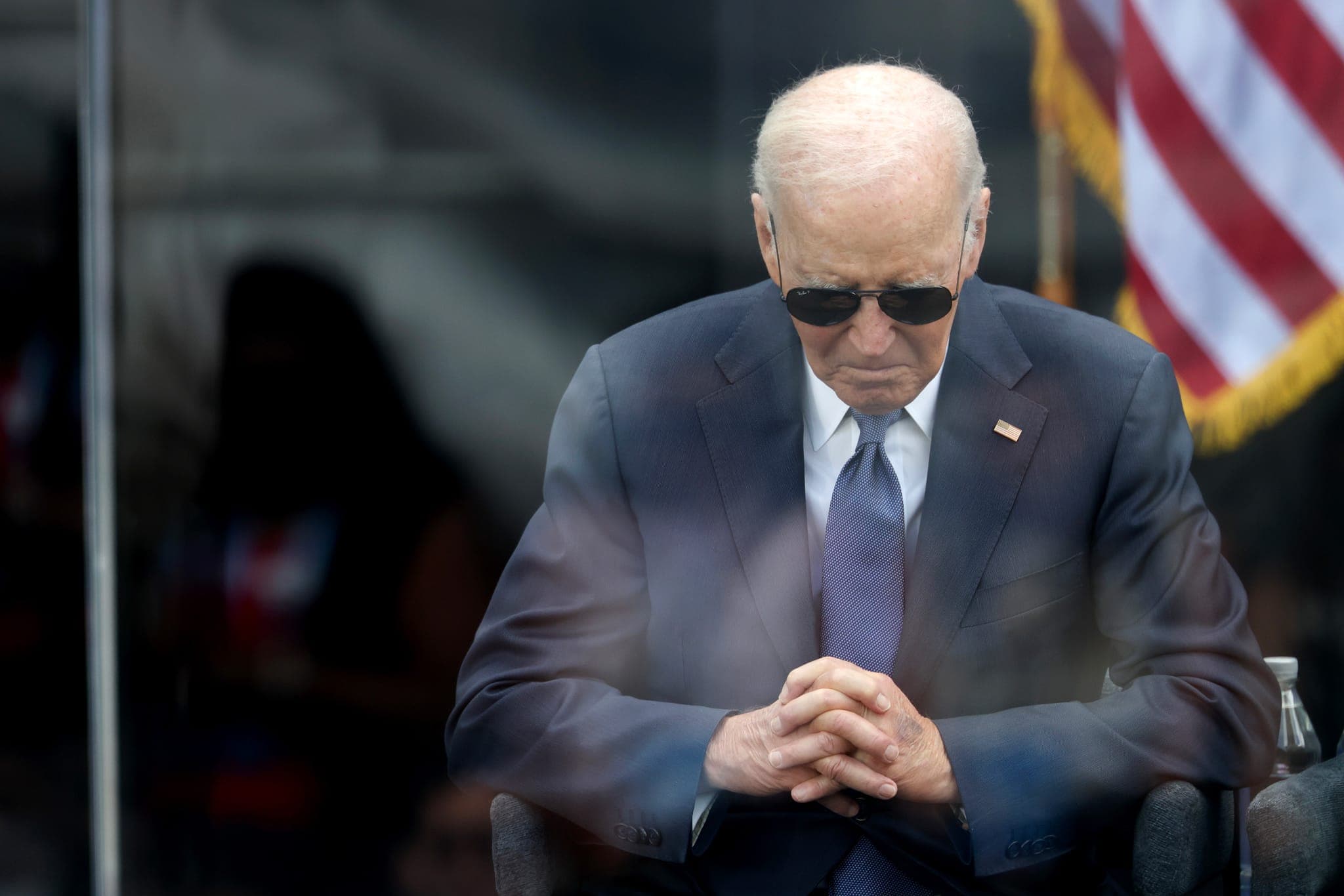
Former President Joe Biden can be heard saying about a month after leaving office that he had “just found all the classified stuff downstairs” in a batch of newly released audio that also captures him warning his memoir ghostwriter to be careful because other material “may be classified.”
The Oversight Project, a government watchdog group, published the recordings July 27 following a Freedom of Information Act lawsuit and Biden’s unsuccessful attempt to stop their release. The public set includes approximately three hours of audio and 117 pages of Justice Department transcripts from six conversations Biden held with writer Mark Zwonitzer between October 2016 and April 2017 while preparing his memoir Promise Me, Dad.
The recordings are separate from the audio of Biden’s October 2023 interviews with special counsel Robert Hur, which became public in May 2025.
What the recordings reveal
During a February 16, 2017, conversation at a rented house in Virginia, Biden told Zwonitzer, “I just found all the classified stuff downstairs.”
Biden had left the vice presidency less than a month earlier. Immediately after the remark, he described a handwritten, approximately 40-page memorandum he had sent to then-President Barack Obama opposing the deployment of additional troops to Afghanistan.
In another conversation that took place April 24, 2017, Biden warned Zwonitzer, “Some of this may be classified, so be careful,” according to audio obtained by CBS News.
A recording from two days later captures a discussion about notes Biden had taken during presidential luncheons. After an aide said such material was supposed to be turned over and Zwonitzer suggested it probably belonged with the presidential records, Biden said he had not wanted to surrender it. The surrounding discussion is heavily redacted.
Other recordings capture Biden identifying material as classified and saying aides did not know he possessed extensive notes. Those conversations occurred while he was still vice president, when he was authorized to handle classified information, but raise concerns in light of Biden’s later remarks about having retained at least some of his notes after leaving office.
Investigators did not identify classified information in the published memoir.
Taken together, the tapes show Biden referring to material in his possession as classified or potentially classified and discussing it with his ghostwriter. They also place his later categorical denials in conflict with the record assembled by Hur.
Newly public, but already reviewed by Hur
The ghostwriter tapes are newly available to the public, but they are not new evidence: Hur obtained and reviewed them before issuing his February 2024 report.
Hur reported he found evidence that Biden “willfully retained and disclosed classified materials” after leaving the vice presidency, including marked documents concerning Afghanistan and notebooks containing sensitive national-security information.
Nevertheless, Hur concluded that the evidence did not establish Biden’s guilt beyond a reasonable doubt and that criminal charges were not warranted, even apart from Justice Department policy concerning prosecution of a sitting president.
Investigators could not conclusively connect Biden’s “classified stuff downstairs” statement to the particular Afghanistan documents later recovered from his Delaware garage. They also could not determine how, when, or by whom those documents had been placed in the garage box.
Biden told investigators that he might have been referring only to his handwritten memorandum to Obama and that he did not know after leaving office whether that document remained classified. Hur concluded that a jury might accept that explanation or find that Biden discovered sensitive material and later forgot about it.
The special counsel also considered Biden’s cooperation, including his voluntary return of documents, consent to searches, and decision to sit for interviews. Biden’s memory problems were another factor in Hur’s assessment of whether prosecutors could prove criminal intent, but they were not the only reason charges were declined.
As CatholicVote reported at the time, Hur later told Congress that he “did not exonerate” Biden. He testified that investigators had identified evidence of willful retention after Biden became a private citizen but had not found proof sufficient to establish guilt beyond a reasonable doubt.
Biden publicly rejected Hur’s finding in February 2024.
“I did not share classified information. I did not share it,” Biden told reporters. Asked specifically about Zwonitzer, he answered, “With my ghostwriter, I did not.”
The newly released audio of Biden warning Zwonitzer that some of the material he was sharing with the ghostwriter was potentially classified, combined with Hur’s finding that Biden read portions of classified notebook entries aloud, substantially undercuts that blanket denial.
Biden spokesman TJ Ducklo did not challenge the recordings’ authenticity. He said the conversations concerned Biden’s late son, Beau, had been provided to the Justice Department on the understanding that they would remain private, and were released as an act of “political retribution.” Ducklo added that Biden disagreed with the decision but respected the courts.
The Justice Department initially resisted releasing the tapes but later agreed to provide redacted copies. Biden intervened in the ensuing litigation, arguing that publication would invade his privacy.
A divided federal appeals court rejected his emergency request to block disclosure, citing a “substantial” public interest in determining whether the government “had the evidence but nevertheless pulled its punches.” Biden dismissed his remaining challenge July 24, clearing the way for Monday’s release.
Oversight Project Vice President Jeff Clark called for “a thorough reexamination” of Hur’s non-prosecution recommendation. There was no immediate indication that the Justice Department would reopen the investigation.


Comments