Beauty is not a luxury
Far from being an unnecessary extra, beauty is vital for life because it has the power to seize us, shock us out of our humdrum existence and into a conversation with the real and the divine.
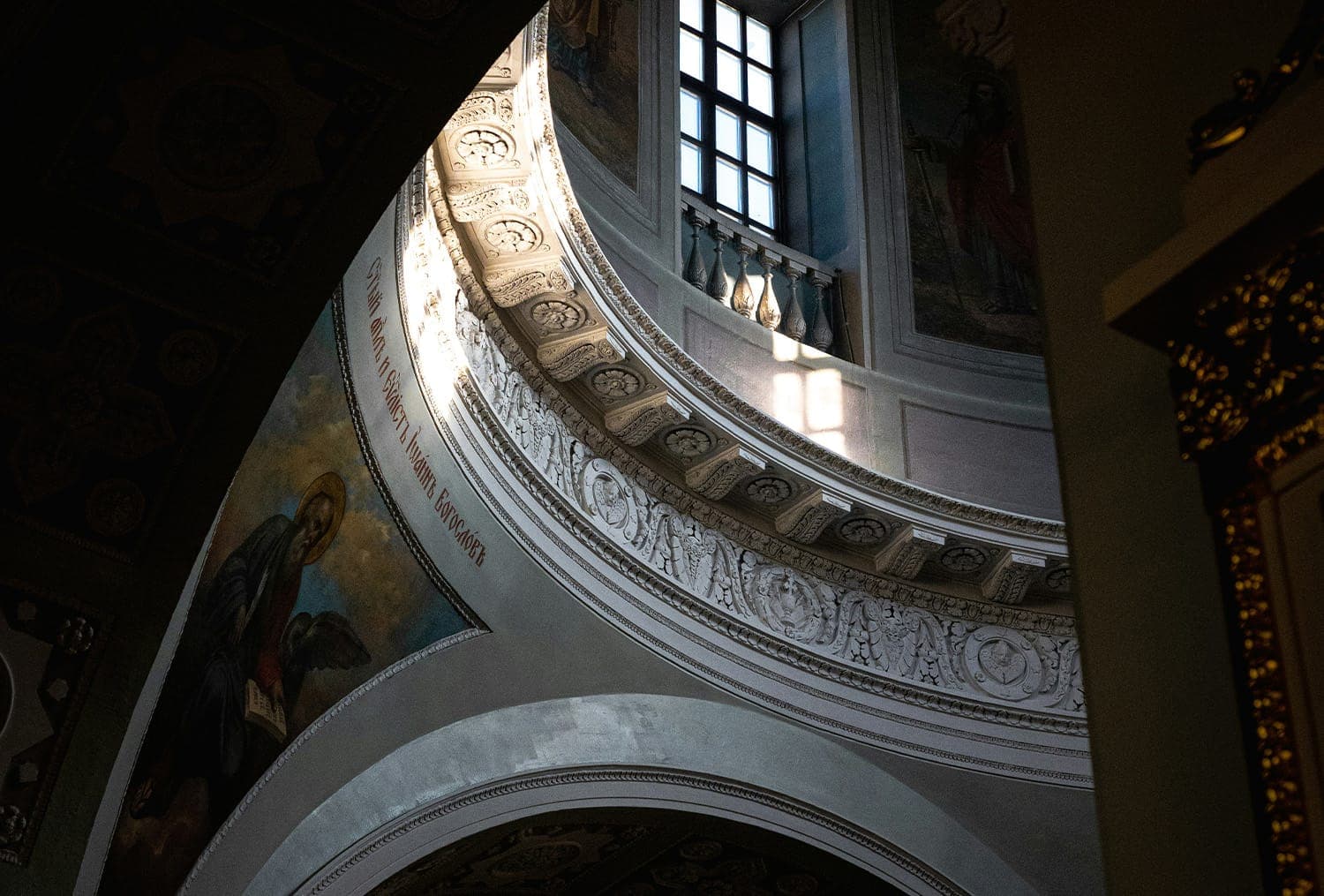
Beauty so often seems like something extra; it’s an add-on that is nice to have but not really needed. This is a lie told to us by a culture denying itself the food it needs.
We need beauty. We need it not as a luxury, not as an accessory, but as a necessity.

Forgotten beauty
There are times in my life when I have forgotten beauty.
Not that I forget it’s there, but I will glance at a sunset, think “pretty,” and keep moving on with whatever was occupying my time. I take beauty for granted, expecting it to be there, or perhaps not noticing when it isn’t. In a world that values speed and efficiency over beauty, it is easy to become immune to beauty, when so many of our experiences of it feel fleeting — sunsets, youth, flower blooms.
In his dystopian book Fahrenheit 451, Ray Bradbury identifies what it’s like to forget about beauty. He describes this feeling with the following exchange:
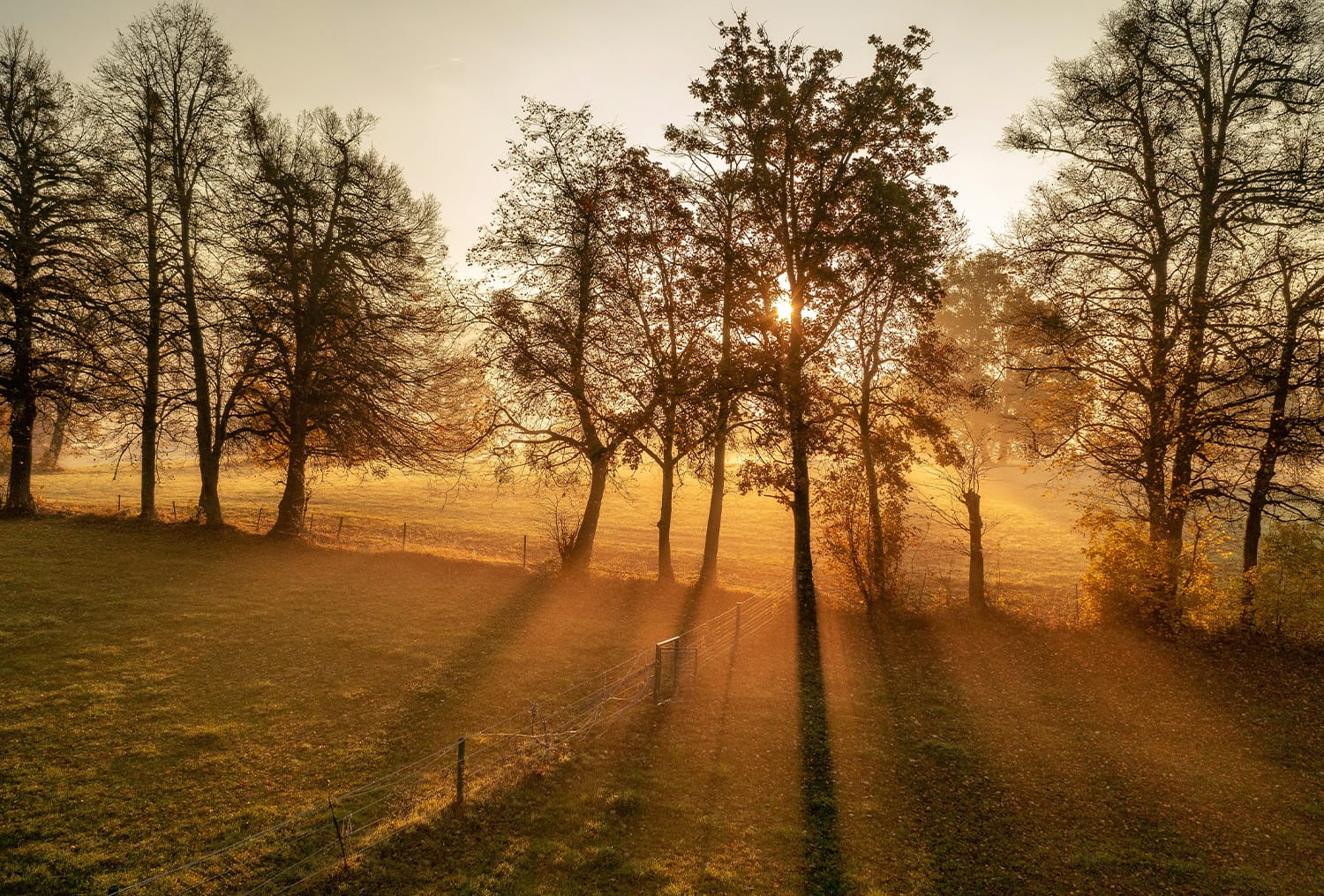
"Bet I know something else you don't. There's dew on the grass in the morning."
He suddenly couldn't remember if he had known this or not, and it made him quite irritable.
"And if you look―"she nodded at the sky―"there's a man in the moon."
He hadn't looked for a long time. (page 10)
When did we stop looking at the man on the moon? When did we forget about the dew in the grass in the morning? And why does it matter?
Transcendental beauty
Okay, so I forget about beauty sometimes — what’s the big deal? Is beauty truly necessary for life? In America especially, beauty is often set aside in favor of efficiency. Why give a building graceful arches when it is easier (and often faster and cheaper) to make it flat and square? Why cultivate delicate flowers when sturdy bushes do just as well? Why attempt to teach high poetry to children, when there is easily accessible modern literature ready and waiting for them?
We should not set it aside, because there is something divine about beauty. It is one of the three “transcendentals,” intertwined with goodness and truth. In his poem, “Ode to a Grecian Urn,” John Keats writes, "Beauty is truth, truth beauty,—that is all / Ye know on earth, and all ye need to know." If beauty and truth are intertwined, then so are beauty and goodness. They are inherently connected, and each is as necessary as the other.
As Father Thomas Dubay writes, “Truth, beauty, and goodness have their being together, by truth we are put in touch with reality which we find is good for us and beautiful to behold. In our knowing, loving and delighting in the gift of reality appears to us as something infinitely and in-exhaustively valuable and fascinating.”
We need truth. We need goodness. Therefore, yes, we need beauty in order to see things and experience reality, both worldly and otherworldly, as they truly are.
Godly beauty
Perhaps one of Saint Augustine’s most famous lines from the Confessions, is “Late have I loved you, Beauty so ancient and so new, late have I loved you!” Who is he addressing here but God, not under the title of Good God, or True God, but as beauty itself.
God is true, God is good, but God is also beautiful. In his Summa Theologia, Saint Thomas Aquinas describes beauty as having qualities of unity, harmony, proportion, wholeness, and radiance; who embodies these qualities more than God? His world mirrors Himself in its harmony, proportion, wholeness, and radiance.
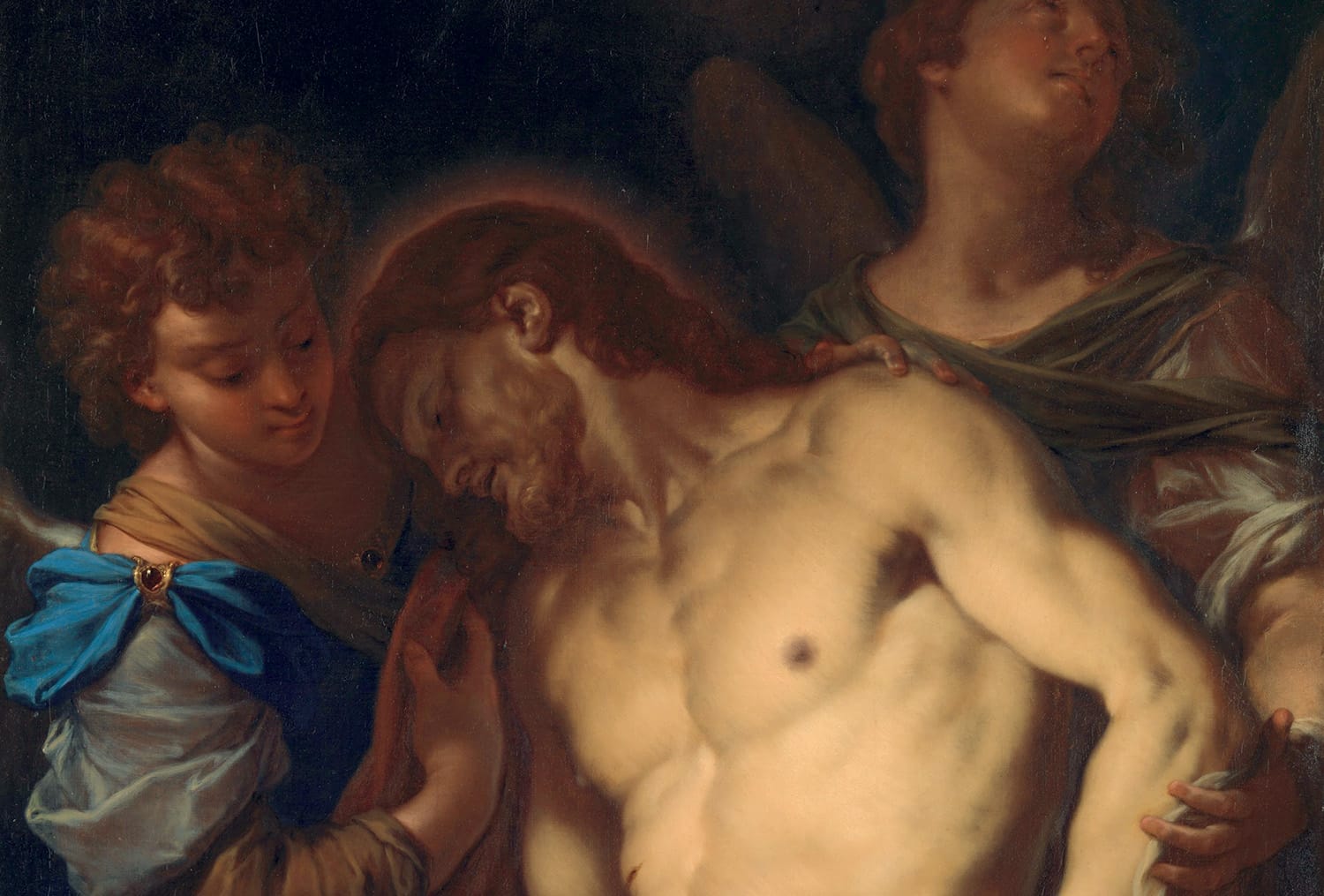
In the Bible, Psalm 45:2 is often thought to describe Jesus Christ as “...the most handsome of men; grace is poured upon your lips; therefore God has blessed you forever.” God is beautiful, and His Son is beautiful; beauty speaks to us of God.
Easily forgotten, but as necessary as breathing, beauty has the power to seize us, shock us out of our humdrum existence and into a conversation with the real and the divine.
Practical beauty
The fact that God is beautiful should change our approach toward beauty. It is something to be treasured, to be fostered, to be held near and dear to our hearts.
In Philippians 4:8, Saint Paul tells us that “whatever is true, whatever is honorable, whatever is just, whatever is pure, whatever is pleasing, whatever is commendable, if there is any excellence and if there is anything worthy of praise, think about these things.”
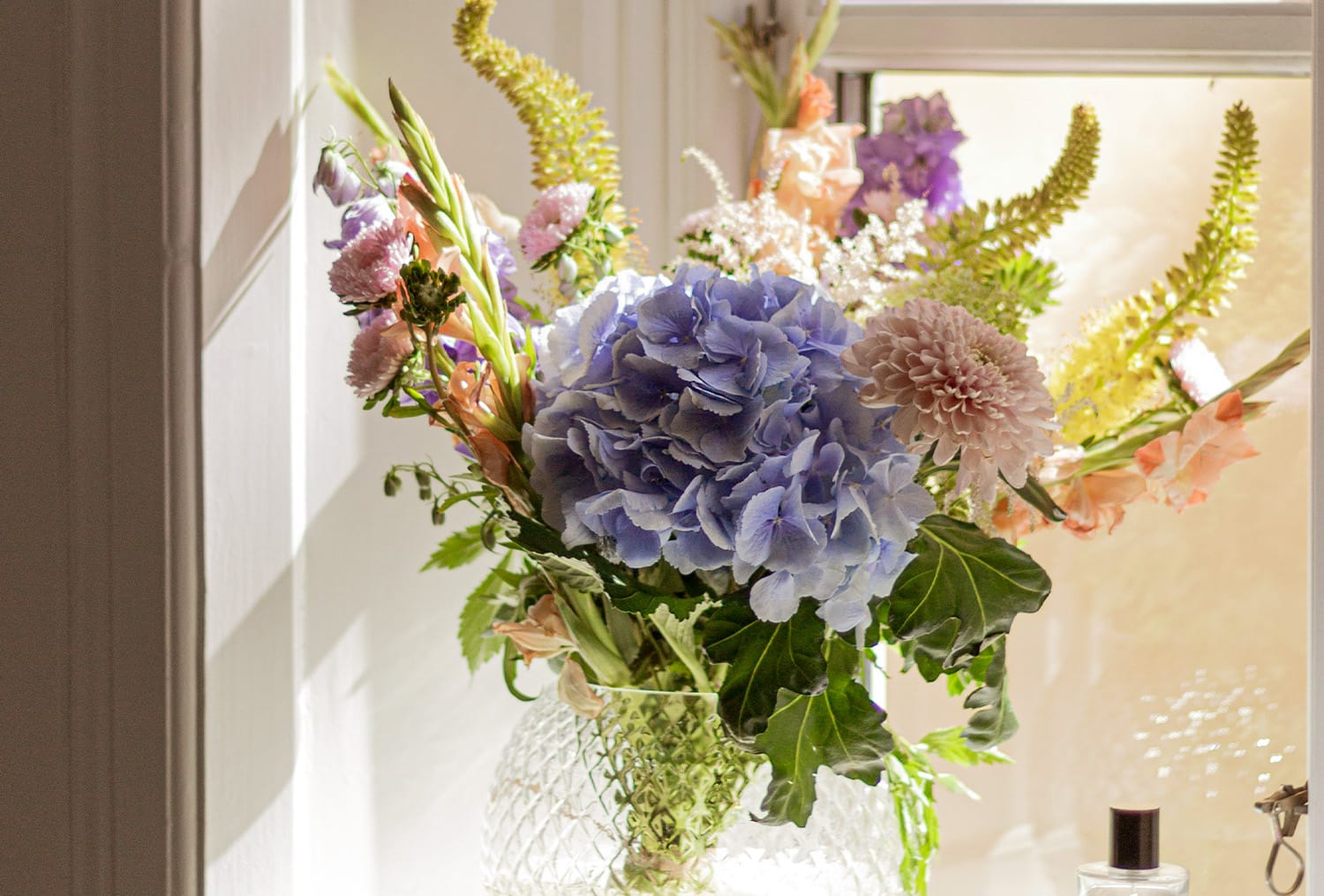
Therefore, we ought to surround ourselves with beauty, not as an idol to be worshipped, but as a reminder of He Who made beautiful things. Buy some flowers for your kitchen table. Light candles at Sunday dinner. Stop, breathe, and admire that sunset. It is beautiful, and you need beauty.







Comments