NYTimes: Approval for homosexuality declining since 2020, especially among the young
Two university professors revealed recent findings that, since 2020, disapproval for homosexuality has been growing, particularly among young people.
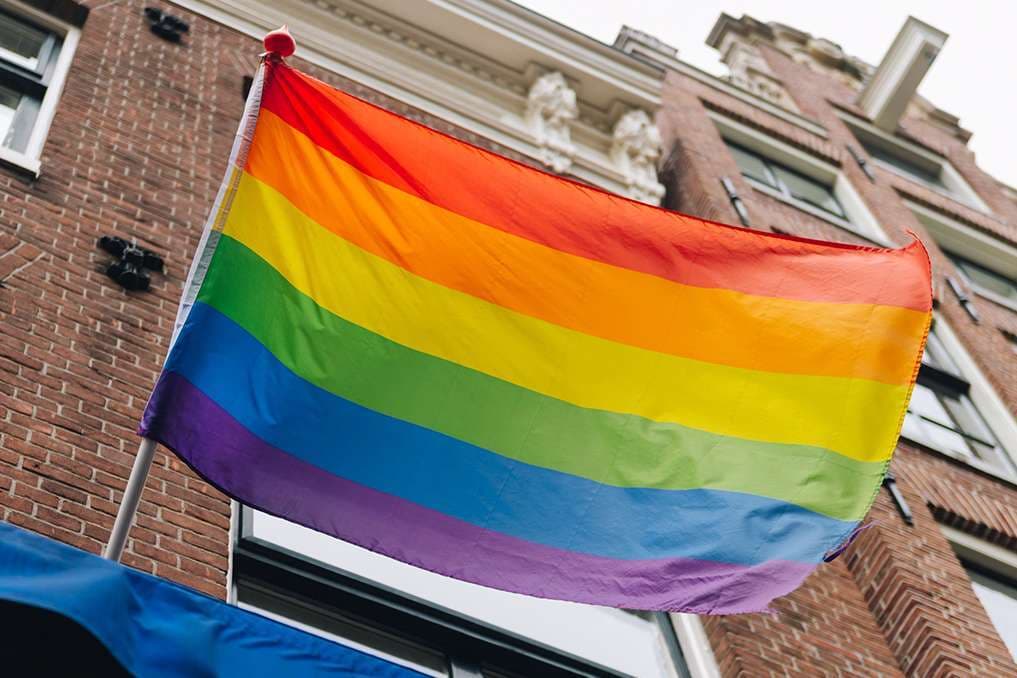
In a Jan. 19 New York Times article, two university professors revealed recent findings that, since 2020, disapproval for homosexuality has been growing across the political spectrum, particularly among young people.
“This reversal stunned us,” wrote Tessa Charlesworth, professor of management and organizations at Northwestern University, and Eli Finkel, professor of psychology at Northwestern University.
The article began by discussing the popularity of “Heated Rivalry,” a recent television show about a secret romance between two male hockey players. Charlesworth and Finkel explained that, while many are taking the show’s success as a sign of ever-advancing mainstream acceptance of homosexuality, the data do not bear out such a conclusion.
Charlesworth and Finkel described the trend in attitudes towards homosexuality before the recent shift.
“In the two decades before 2020, visibility, recognition and legal inclusion of gays and lesbians progressed in lock step — larger and more prominent Pride parades, rainbow-lit landmarks, federal legalization of same-sex marriage,” they wrote. “That progress translated into something remarkable: Americans’ bias against gay people declined faster than any other bias ever tracked in social surveys.”
Charlesworth’s previous research analyzed that decline by studying the explicit and implicit attitudes towards homosexuality. However, her new research clearly shows a change.
In 2.5 million responses taken between 2021 and 2024, disapproval for and negative associations with homosexuality rose 10%.
The authors were particularly surprised by what the data show about people under 25.
“This group increased its animus against marginalized groups in general and gay people in particular at a faster rate than older Americans did,” they wrote in the New York Times. “Also surprising is that although anti-gay bias has risen faster among conservatives, it has also risen among liberals.”
While there has been much speculation on the reasons for these changes in attitude, they said that two common explanations fail to explain the shift.
Charlesworth and Finkel argued that the change is not explained as an extension of pushback to the tide of “transgenderism.”
“If that were so, you would expect increases in anti-trans bias to be meaningfully correlated with subsequent increases in anti-gay bias — which the research does not show,” they explained.
They also ruled out the idea that disapproval of homosexuality is caused by public discourse on the sexual grooming of minors, because the research does not show spikes in discussion of grooming that are meaningfully correlated with subsequent disapproval of homosexuality.
Instead, the researchers posited two related explanations for the phenomenon.
First, they argued that widespread social instability is causing hostility towards and scapegoating of people who practice homosexual lifestyles.
Second, they wrote that contemporary anti-establishment tendencies are causing resentment towards agendas and viewpoints pushed by those in power.
As they explained, institutions from the government to corporations have strictly enforced positive views of homosexuality, and people have become increasingly wary of established power in recent years. Many Americans, the authors argued, have come to resent homosexuality itself as a result.
Comments