Oil prices jump during day of buckling U.S.-Iran negotiations
Oil prices jumped sharply June 1 after Iranian state-linked media reported that Tehran had suspended indirect negotiations with the U.S., though President Donald Trump later said talks were continuing and also projected confidence that prices would soon drop again.

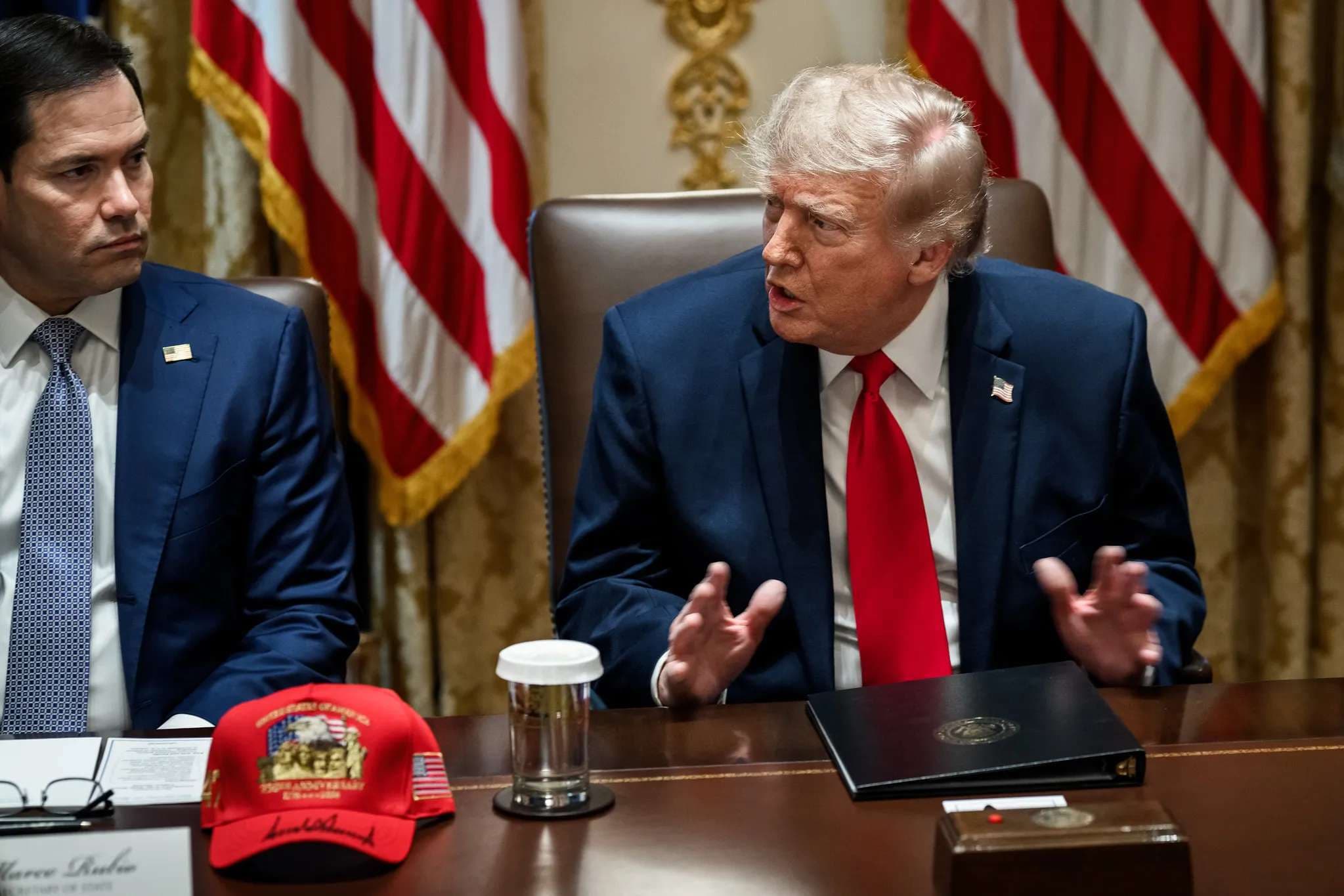
Oil prices jumped sharply June 1 after Iranian state-linked media reported that Tehran had suspended indirect negotiations with the U.S., though President Donald Trump later said talks were continuing and also projected confidence that prices would soon drop again.
The price swing came as energy executives warned that global inventories are being depleted quickly, leaving markets more vulnerable to further disruptions even if diplomatic talks were to resume.
Exxon Senior Vice President Neil Chapman warned May 28 that physical Brent crude could rise to $150 to $160 per barrel in the coming weeks if companies hit historically low inventory levels.
“We’re approaching unheard-of inventory levels,” he said at a conference in New York, according to CNBC. “I mean really, really low levels. You can debate whether that’s going to hit, those really low levels, in two weeks or three weeks. Once you get to that point, then you’ll see price shoot up.”
According to CNBC, the International Energy Agency (IEA) warned in May that inventories are being depleted at a record pace. In March, IEA member countries agreed to release 400 million barrels from emergency reserves to help address supply disruptions caused by the Iran war.
On the first day of trading in June, U.S. crude futures rose about 6% to trade above $92 per barrel. Prices initially surged more than 8% after Iran signaled it would cease negotiations with the U.S. – but eased slightly after Trump said talks were continuing.
Brent crude — the global benchmark for the price of oil — climbed more than 5% to about $96 per barrel after an initial 7% intraday surge. Brent had traded near $72 per barrel in late February, before the Iran war began.
Heating oil, a proxy for jet fuel, rose nearly 4% to about $3.60 per gallon June 1.
The changes erased much of the recent decline in oil prices, which had fallen over the past two weeks amid optimism that the U.S. and Iran were moving toward a deal to extend a ceasefire and reopen the Strait of Hormuz.
Trump downplayed concerns about rising energy costs during a June 1 call with CNBC, saying he expected oil prices to fall soon despite the market spike.
“I think the oil will be dropping like a rock in the very near, you know, the very near distance,” Trump said.
He also argued that Americans would tolerate higher gas prices if they viewed the war as necessary to stop Iran from obtaining a nuclear weapon. “Once you explain that this is all about Iran having a nuclear weapon,” he said, “people are willing to pay a little bit more.”
The national average for regular gasoline stood at $4.32 per gallon June 1, according to AAA data. NBC News reported that prices were down $0.24 from this year’s peak after the recent pullback in crude oil, but remain about 44% higher on average than before the war. On Feb. 26 — two days before the U.S. and Israel launched their initial strikes against Iran — the national average was $2.98 per gallon.
Iran’s Tasnim News Agency wrote on X June 1 that Tehran’s negotiating team was halting talks in “light of the ongoing crimes of the Zionist regime in Lebanon” and because Lebanon had been part of the ceasefire preconditions. Iran’s announcement came shortly after Israel ordered new airstrikes on Beirut and after ground forces captured the 900-year-old Beaufort Castle in southern Lebanon.
Hours later, Trump said that Israel and Hezbollah had agreed to stop attacking each other after he spoke with Israeli Prime Minister Benjamin Netanyahu and communicated with Hezbollah through “highly placed Representatives.” He also said in a followup post that talks with Iran “are continuing, at a rapid pace.”




Comments