On Ash Wednesday, Pope Leo urges Catholics to see Church as ‘sign and instrument’ of unity
On Ash Wednesday, Pope Leo XIV described the Catholic Church as the visible “mystery” of God’s plan to unite a fragmented humanity, calling it both a sign and an instrument of reconciliation in a divided world.

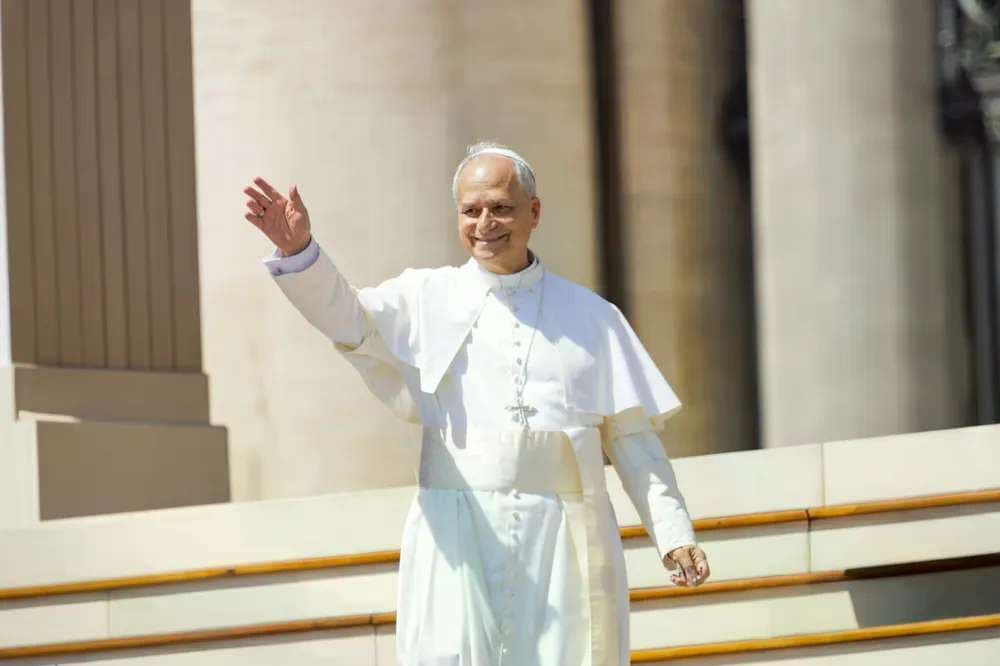
On Ash Wednesday, Pope Leo XIV described the Catholic Church as the visible “mystery” of God’s plan to unite a fragmented humanity, calling it both a sign and an instrument of reconciliation in a divided world.
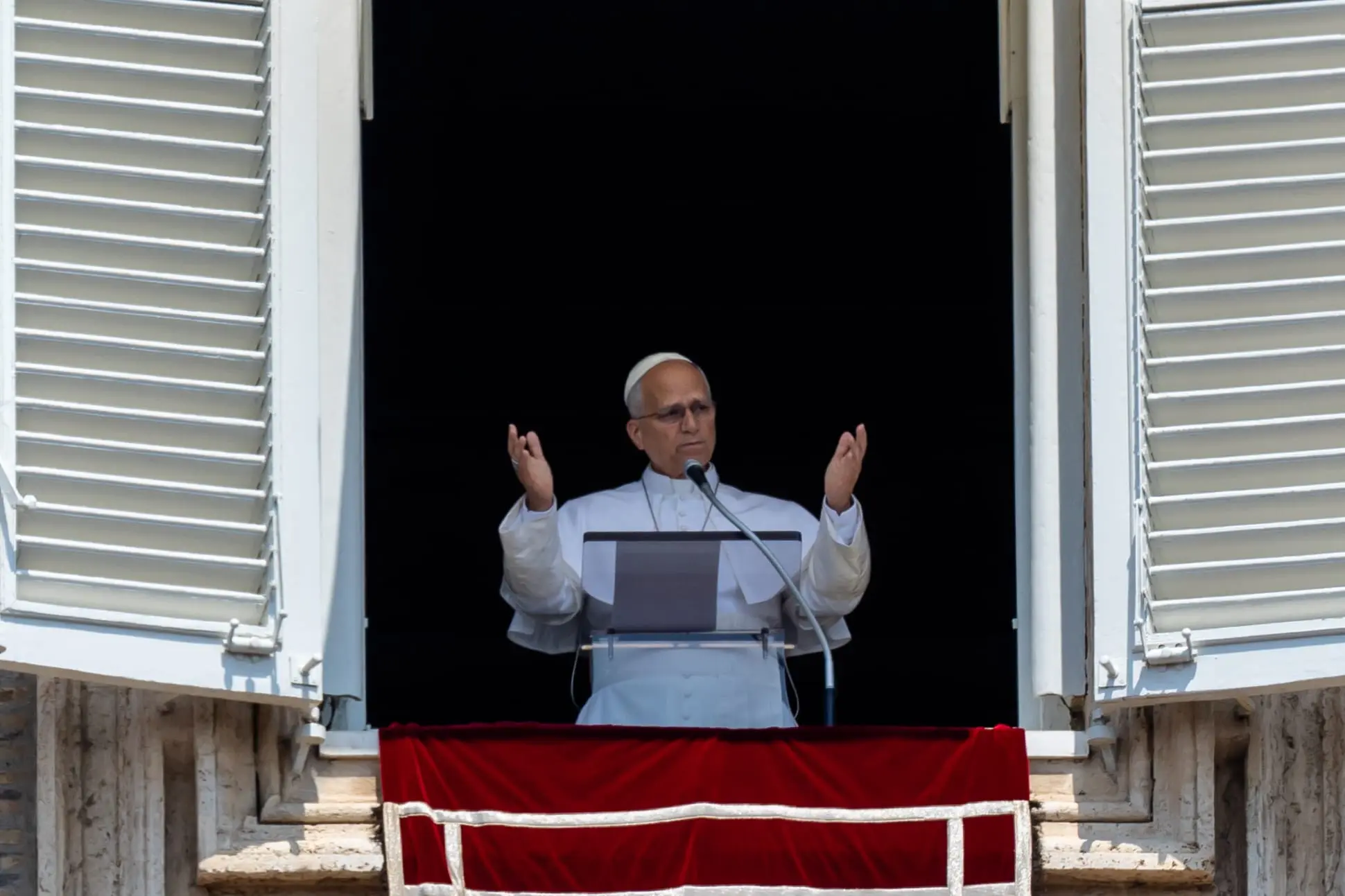
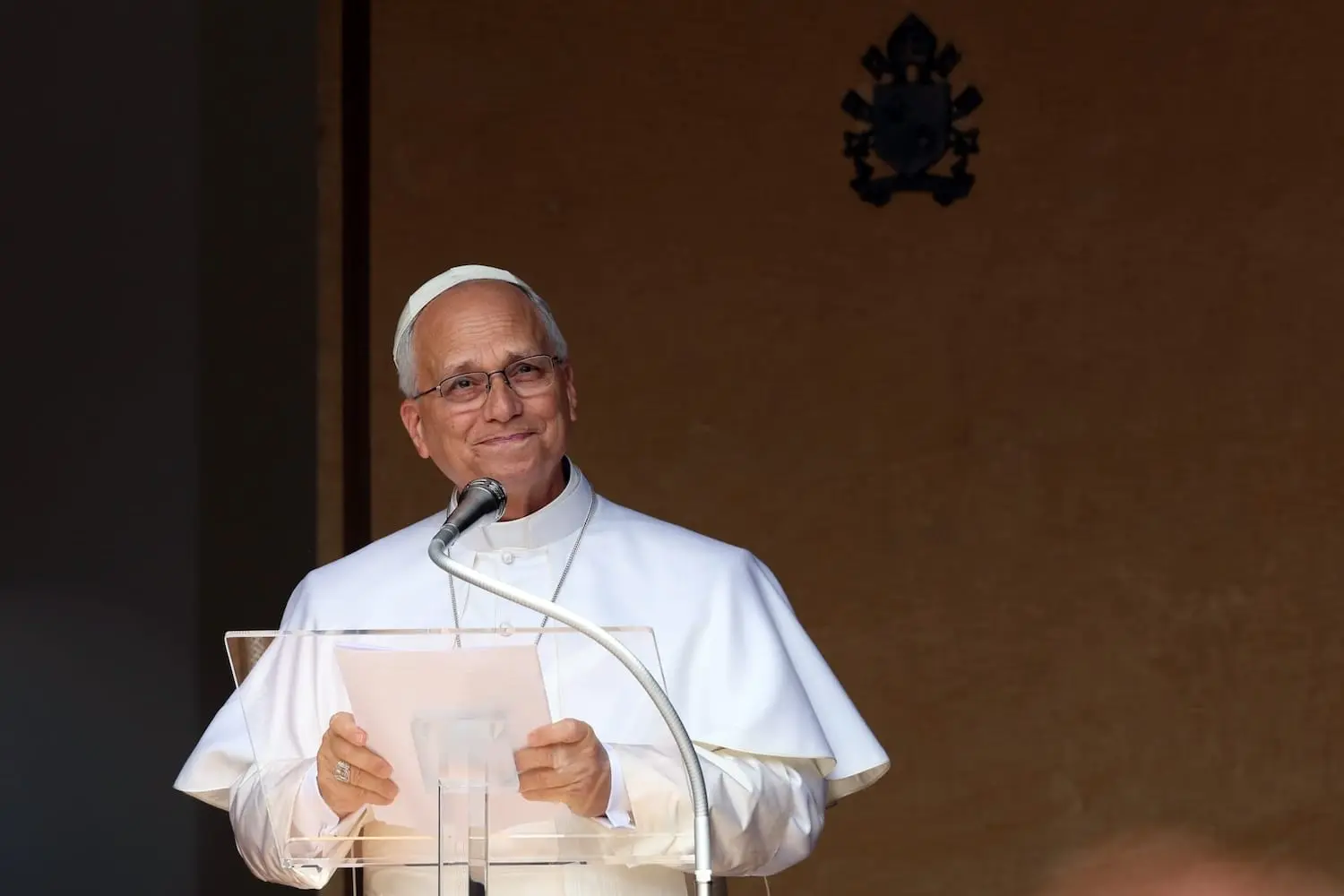
Speaking to pilgrims gathered in Saint Peter’s Square for his weekly general audience Feb. 18, the Pope continued his catechetical series on the documents of the Second Vatican Council, focusing on the Dogmatic Constitution Lumen gentium.
When Vatican II “wanted to describe the Church, it was concerned first and foremost with explaining where its origins lie,” Pope Leo said.
Drawing from Saint Paul’s use of the word “mystery,” he clarified that the term does not mean something obscure or incomprehensible, “as is commonly thought when the word ‘mystery’ is heard.”
“It is exactly the opposite,” he said, explaining that for St. Paul the mystery is “a reality that was previously hidden and is now revealed.”
That revealed plan, the Pope said, refers to “God’s plan, which has a purpose: to unify all creatures thanks to the reconciliatory action of Jesus Christ,” accomplished through Christ’s death on the cross.
Pope Leo described the human condition as one of “fragmentation that human beings are unable to repair,” even though “the tendency towards unity dwells in their heart.” Into that division, he said, enters “the action of Jesus Christ through the power of the Holy Spirit,” which overcomes “the powers of division and the Divider himself.”
The Church, he said, makes that unifying mystery visible in history.
“So, there is a certain coincidence between this mystery and the Church: the Church is the mystery made perceptible,” Pope Leo said.
Quoting the opening line of Lumen gentium, promulgated in 1964, the Pope recalled that the council fathers described the Church as “in Christ like a sacrament or as a sign and instrument both of a very closely knit union with God and of the unity of the whole human race.”
By calling the Church a “sacrament,” he said, the council meant that it is “an expression of what God wants to accomplish in the history of humanity.” At the same time, describing the Church as an “instrument” shows that it is “an active sign.”
“Indeed, when God works in history, he involves in his activity the people who are the objects of his action,” Pope Leo said. “It is through the Church that God achieves the aim of bringing people to him and uniting them with one another.”
He linked the Church’s identity to Christ’s passion, death and resurrection, describing it as “the body of the risen Christ and the one pilgrim people of God journeying through history,” living as “a sanctifying presence in the midst of a still fragmented humanity.”



.jpg&w=3840&q=75)

Comments