Pope Leo: Knowing God exists is not enough; He wants ‘a personal relationship with us’
The Pope’s reflection on the Sunday Gospel underscored the importance of authentic love for God and neighbor. After leading the Angelus, he emphasized his prayers for the victims of a terrorist attack at an Orthodox church in Jordan and spoke out with concern for people in Taiz, Yemen, who are facing a dire humanitarian situation. He urged the faithful to pray for peace.

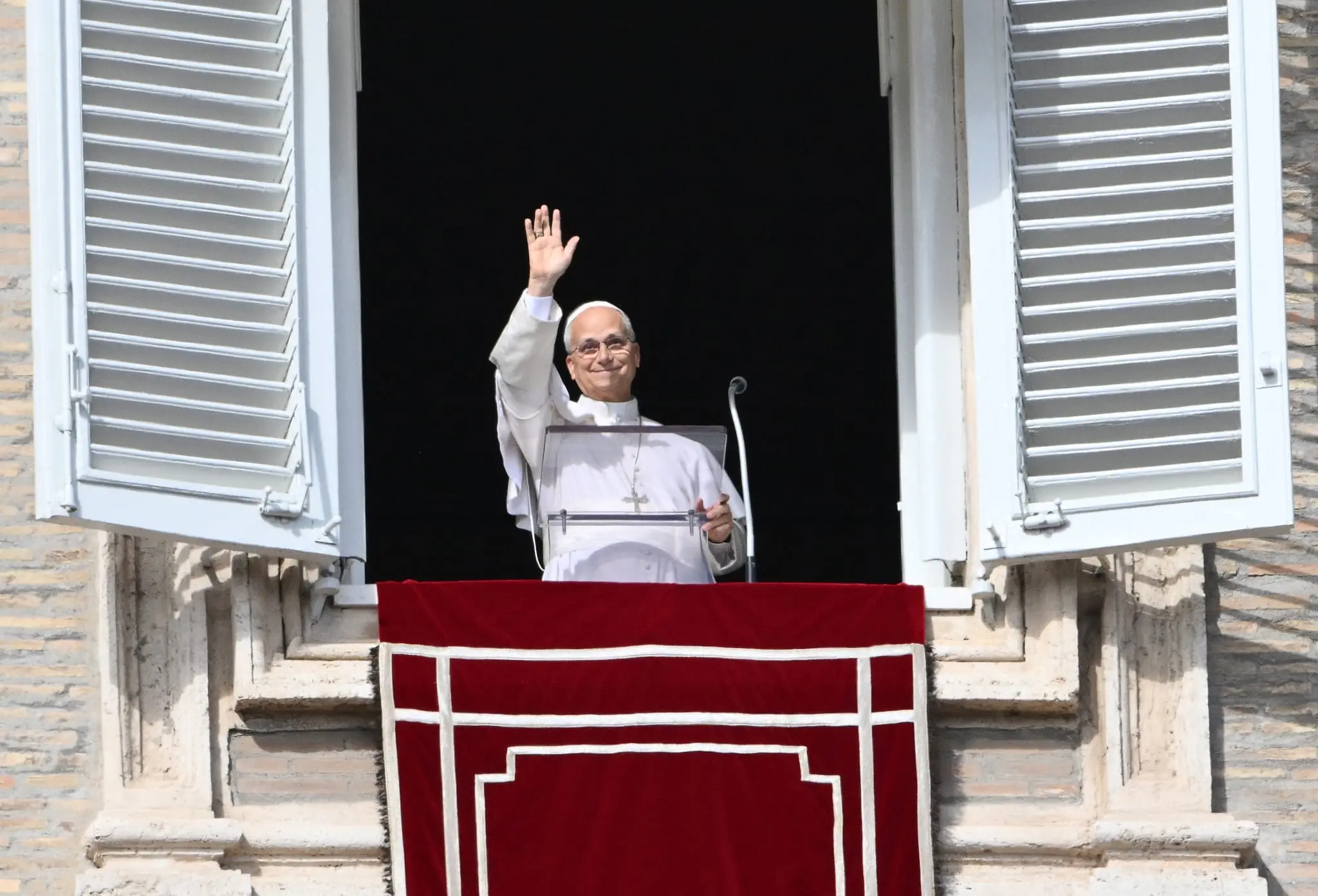
In his Oct. 25 Angelus address Pope Leo XIV encouraged the faithful to cultivate authentic, wholehearted love for God, emphasizing that the human heart finds its fulfillment in communion with Him.
Knowing that God exists is not enough — one should strive to let love be the foundation of his or her relationship to Him, according to the Pontiff.
“Christ places love at the very center of our relationship with God,” Pope Leo said. “Indeed, it is not enough to know that God exists, that He is the only God, or that he is the Almighty. The Lord seeks a personal relationship with us: the one true God wants to become our God.”
His reflection came in light of the Sunday Gospel passage from Matthew 22, in which a scholar asks Jesus which commandment is the greatest. Jesus replies by quoting from the Old Testament book of Deuteronomy: “You shall love the Lord your God with all your heart, and with all your soul, and with all your mind.”
Love is a choice, according to the Pope, that necessitates the commitment of the whole person.
“In our encounter with Him, the commandment of love is neither an obligation nor an imposition,” Pope Leo said. “Indeed, one cannot love ‘on command.’ Love for God is the very essence of human desire, which finds its fulfillment in communion with him. For this reason, our love can be authentic only when it is a response to His love, which always precedes us. From this arises the need for a total commitment that involves the whole person: heart, soul and mind.”
In the Gospel passage, Jesus then adds a second commandment: love one’s neighbor as oneself. Jesus says this commandment is similar to the first one because it “springs from the same source,” Pope Leo said.
“Thanks to our close relationship with God, we are able to look at ourselves and our neighbors through the eyes of Christ, from His perspective,” he continued. “In this way, selfishness is overcome and even love for oneself becomes charity: our existence turns toward the other and becomes a gift for those around us.”
The Pope emphasized that love is essential to faith, citing St. Thérèse of the Child Jesus, who wrote that “Love alone” is what makes “the Church’s members act, and if Love ever became extinct, apostles would not preach the Gospel.”
“Indeed,” Pope Leo said, “without love, our faith would be deprived of its essence, our good works would be reduced to mere moralism, and our hope would be in vain.”
He said that one cannot truly love God unless one loves the people around him or her — and conversely, one cannot truly love one’s neighbor without a relationship with God.
“Let us ask the Lord for the grace of a new heart, capable of embracing and living out the greatest of all commandments,” he said. “May the Blessed Virgin Mary intercede for us, in whose Immaculate Heart there is nothing but love.”
After praying the Angelus, the Pontiff expressed concern for the humanitarian situation in Taiz, Yemen.
AP News reported Oct. 20 that Iran-backed Houthi rebels have encircled much of Taiz and have cut off the majority of supply routes, according to United Nations Human Rights Chief Volker Türk. Reuters reported Oct. 21 that fighting between the Saudi-backed government and the Houthis, which has been ongoing since September, has severed crucial supply routes, including the Taiz-Aden corridor, lessening access to water, fuel, and food. The outlet reports that the water shortage in particular has posed a grave situation for children, as families are rationing drinking water, according to humanitarian organizations.
“I am following with concern the grave humanitarian situation in Yemen, particularly in the city of Taiz, where the population is suffering from a lack of food, water and medical care,” Pope Leo said during his Oct. 25 address. “I make a heartfelt appeal for hostilities to cease and for the Yemeni people and all the peoples of the region to be guaranteed the right to live in peace.”
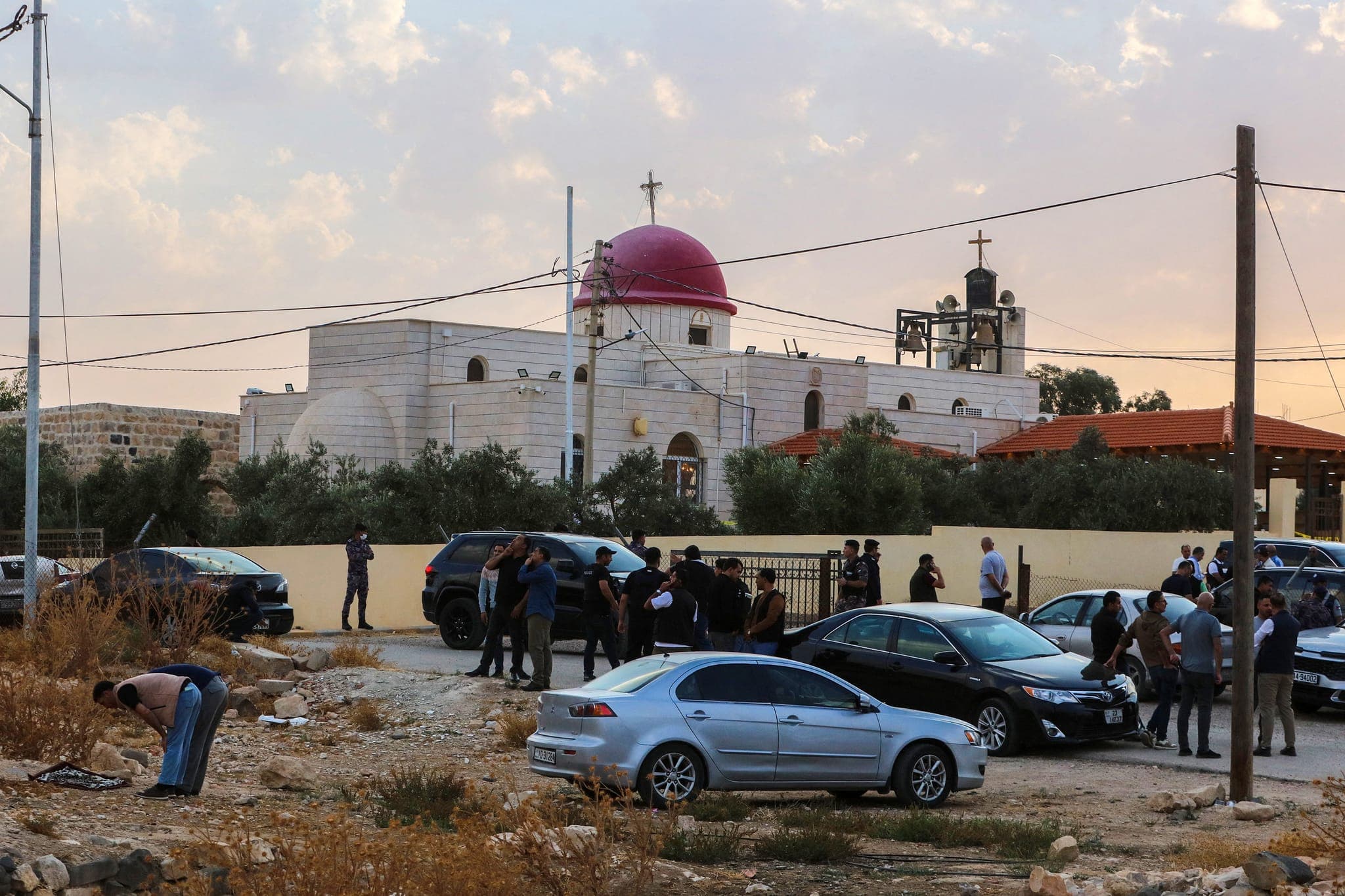
The Pontiff then emphasized his prayers for those who were killed or injured in the Oct. 23 terrorist attack at the Orthodox Church of Saint George in Hamoud, Jordan. Gunmen opened fire on a funeral, killing nine people and wounding 34, ABC News reported Oct. 24. According to AP News, a government statement said investigations into the attack are underway as the assailants remain unknown.
“I express my closeness to the community and the entire country, which is known for its peaceful coexistence and respect between different religions,” Pope Leo said.
Concluding, the Pontiff urged the faithful to continue praying for peace. He noted that heads of churches and religious leaders will meet in Assisi, Italy, Oct. 27, in observance of the 40th anniversary of the meeting convened by Pope St. John Paul II.
“Never before has it been so clear that wars, as well as sowing death and destruction, impoverish and harm the world,” Pope Leo added. “May the Lord inspire choices of dialogue and peace!”





Comments