Report suggests secularization in Ireland may be slowing
Ireland’s decades-long slide toward secularization may be slowing or even showing early signs of reversal, according to a new report commissioned by the Irish Catholic Bishops’ Conference that found a slight uptick in Catholic affiliation among Irish adults.

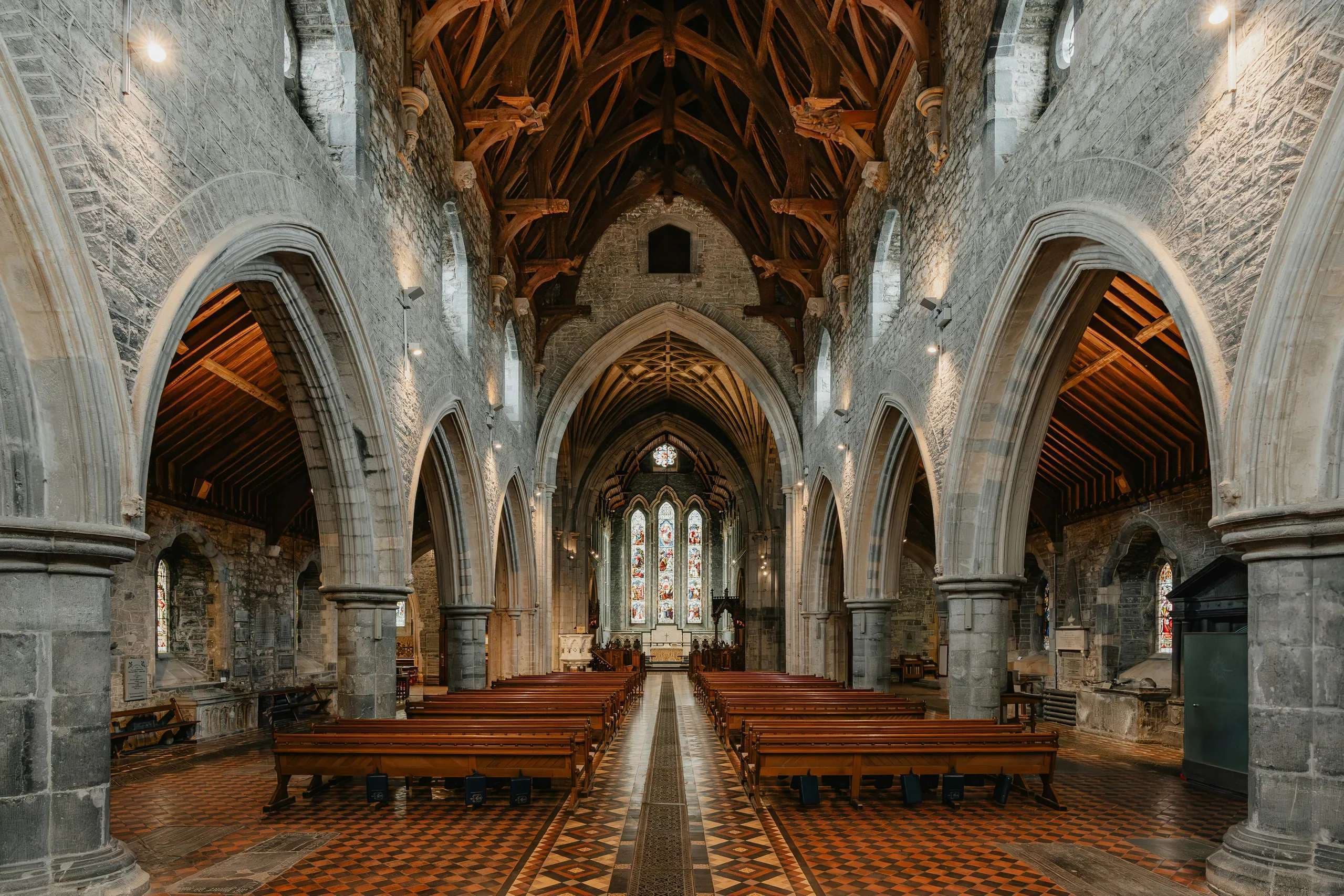
Ireland’s decades-long slide toward secularization may be slowing or even showing early signs of reversal, according to a new report commissioned by the Irish Catholic Bishops’ Conference that found a slight uptick in Catholic affiliation among Irish adults.
The 26-page analysis, titled “Turning the Tide? Recent Religious Trends on the Island of Ireland,” was published March 6 and draws primarily from the 2023-2024 European Social Survey, which surveyed 2,017 adults in Ireland. Authors Emily Nelson and Stephen Bullivant measured religious affiliation, church attendance, and prayer frequency across the Republic of Ireland and Northern Ireland.
The report found signs of a shift back toward Catholic identification after years of steady decline. In 2005, 83% of Irish adults said they were Catholic, but between 2020 and 2022, that share had fallen to 52%. The most recent data shows that 59% of adults now identify as Catholic — a 7% increase.
Thirty-one percent of Catholics said they attend Mass weekly, and one-third said they pray daily. For young Catholics, weekly Mass attendance jumped from 7% in data from 2020-2022 to 17% in data from 2023-2024.
The report also compared Ireland to other European countries. According to the data, Ireland is one of the more religious countries in Europe and stands out as one of the few Western European nations with relatively high levels of religiosity. Only 32% of Irish adults reported no religious affiliation — placing the country in the middle range among 28 European nations but among the lowest in Western Europe. Of Western European nations, Austria reported the same share, and only Portugal and Italy recorded lower shares of religiously unaffiliated adults.
Archbishop Eamon Martin introduced the report in a March 4 video statement, describing the findings as a tool for pastoral reflection amid ongoing secular pressures.
“I don’t think we should get ourselves too enthusiastic, thinking this is a complete reversal of the very obvious decline in religious practices over the last 10, 20 years,” Archbishop Martin said. “However, it is saying something.”
The report, he added, invites Church leaders to “ask ourselves what does this mean for us as Church, as parishes, as diocese? How are we responding to this growing body of young people who want to know more about God, about church, and about religion?”



Comments