EXCLUSIVE: ADF attorney who helped overturn ‘Roe’ says Catholic witness should extend to culture, work, family
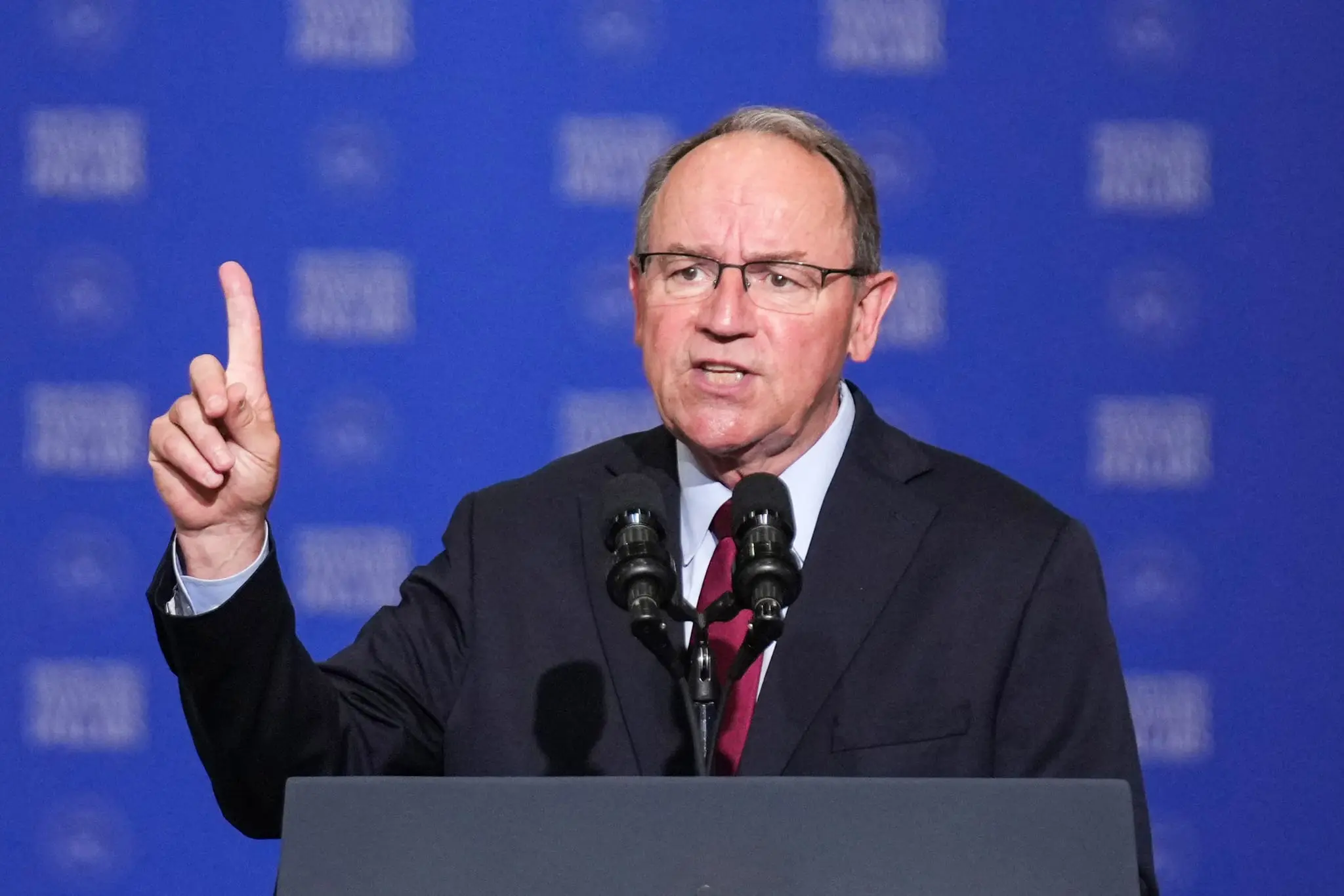
On the May 1 Feast of Saint Joseph the Worker, Alliance Defending Freedom (ADF) attorney John Bursch told Zeale News in an interview that Catholics should not separate their professional lives from their faith but bring Christian witness into their ordinary work through prayer, personal example, and one-on-one interactions.

On the May 1 Feast of Saint Joseph the Worker, Alliance Defending Freedom (ADF) attorney John Bursch told Zeale News in an interview that Catholics should not separate their professional lives from their faith but bring Christian witness into their ordinary work through prayer, personal example, and one-on-one interactions.
Bursch, vice president of appellate advocacy at ADF, spoke following his appearance on Legatus’ “Eleven Talents” podcast and reflected on his work in major legal battles over abortion, women’s sports, religious liberty, and gender ideology. Many of these legal battles, he said, are part of a broader cultural struggle over the meaning of the human person, the family, and the public witness of faith.
Legal victories and the culture behind them: Overturning Roe and protecting women’s sports
“I have a very pro-life family, been involved in the pro-life movement myself for many years, but never really imagined the day when Roe v. Wade would be overturned,” Bursch told Zeale News.
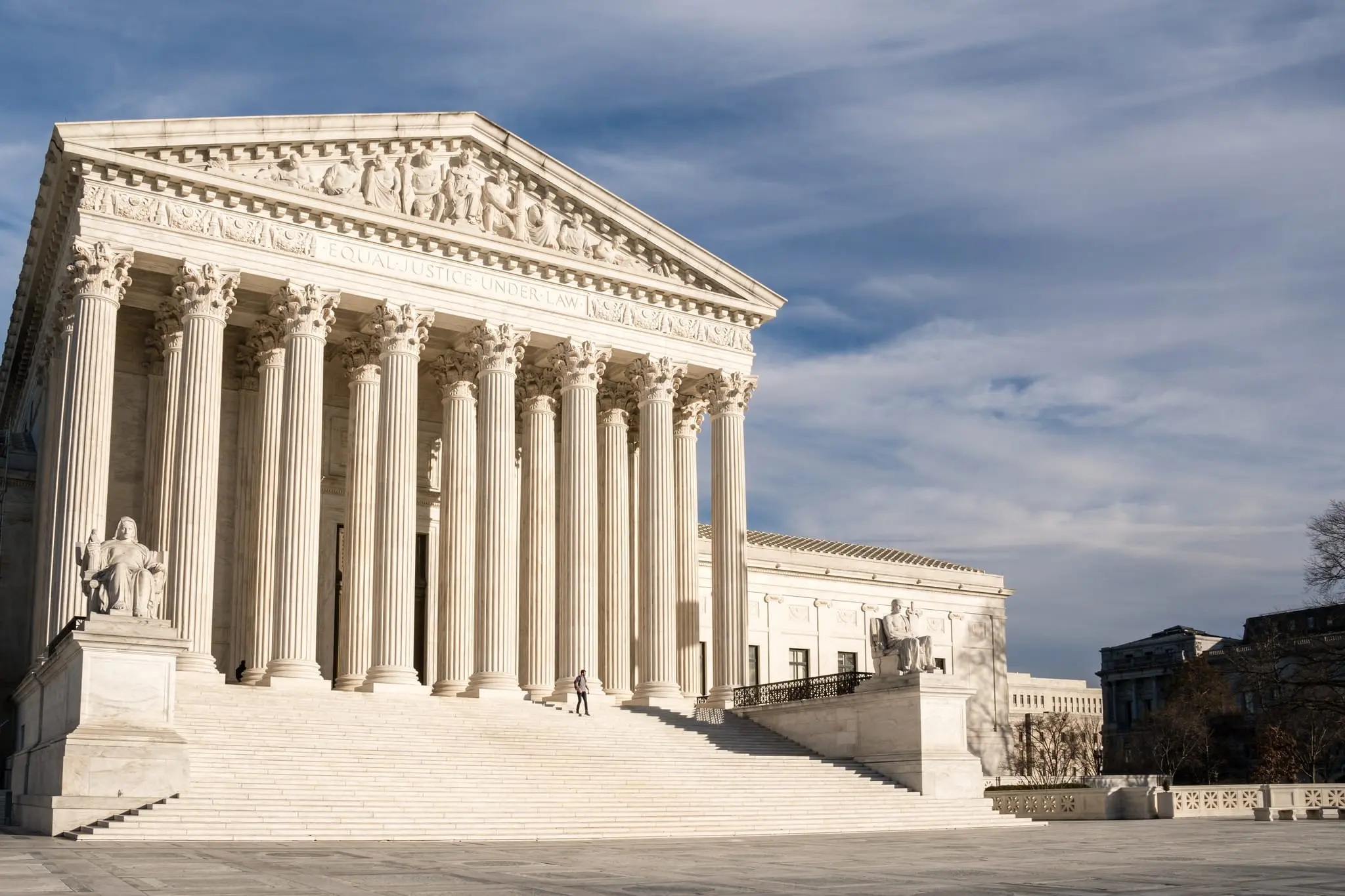
Bursch said his main role in Dobbs v. Jackson Women’s Health Organization was helping Mississippi prepare its petition asking the Supreme Court to take the case. After the court agreed to hear it, ADF continued working with the Mississippi attorney general’s office on amicus briefs, briefing, and oral argument preparation.
When the Supreme Court released its decision overturning Roe in June 2022, Bursch said his family was preparing for his son’s wedding day.
“It was the day before our son’s wedding, and everybody was decorating the hall when it happened, and it was very celebratory,” he recalled, adding that it was “absolutely a privilege and honor and humbling to be involved in overturning Roe.”
Bursch has also been involved in ongoing legal battles over Title IX and women’s sports, including cases from Idaho and West Virginia that reached the Supreme Court. The cases, Little v. Hecox and West Virginia v. B.P.J., ask whether states may limit women’s and girls’ sports to competitors of the same biological sex. The high court is expected to release decisions in June.
According to Bursch, while those cases are about ensuring “women have the playing field that Title IX promised to them” and that female athletes do not have to compete against male athletes, they also reflect a deeper question about the human person.
“This is an opportunity for us to push back against this false notion of gender ideology,” he argued. “Everyone needs to accept the reality that we were created as embodied souls. As Pope John Paul II explained in his Theology of the Body, the body actually expresses the soul.”
Bursch, who authored “Loving God’s Children: The Church and Gender Ideology,” said Catholics must be prepared to speak clearly about sexuality, the unity of body and soul, and human flourishing.
“When we reject the gift of our body, male and female, from God, all kinds of bad consequences happen,” he said. “And it's not just in sports. It's not just in privacy spaces where you have men violating the privacy of women and girls in locker rooms and showers and on overnight trips and things like that. It's harming the individuals who identify and present as transgender, because if it's not possible to reject that gift and change your body, because your soul and your DNA are still fundamentally male and female.”
Bursch also said the courts “will always follow the culture,” making it necessary to win both the cultural and legal battle.
“Often it means winning the culture before you win the court battle,” he said, adding that on the gender ideology front, “we’re doing far better than we are on the same-sex marriage or even the abortion front.”
He pointed to a January 2025 New York Times poll that found 79% of Americans said male athletes who “identify” as female should not be allowed to compete in women’s sports.
“We need to keep pressing forward with the truth and making the case in the public square that God created us male and female and that accepting that reality is what’s best for human and individual flourishing,” he said.
Living the faith publicly, from work to home
The Feast of St. Joseph the Worker, celebrated May 1, highlights the dignity of labor and the call to sanctify ordinary work. For Bursch, that call is not abstract, as the public witness of faith is not limited to courtrooms or policy debates. He said Catholics also need to think seriously about how they live their faith in ordinary professional settings.
“It starts with the little things,” he said, pointing to praying during the workday, making the sign of the cross before meals, and speaking about others “in a distinctly loving Christian way.”
He said Catholic leaders who influence workplace policies should also consider whether company benefits reflect Catholic moral teaching, ensuring there is no coverage of abortion, contraception, or surgery for those with gender dysphoria.
“But the big thing,” he said, “is just those one-on-one interactions — your opportunity to witness to other people and to always be ready to answer when someone asks you, ‘What is it that causes you to have a faith in Jesus Christ? Why are you Catholic?”
“Give them the reason for your and your hope,” Bursch said. “If we can do all those things, we can make a real difference in the workplace.”
Bursch said he and his wife, Angela, joined Legatus, an organization of Catholic business leaders, while raising their five children because they wanted a regular opportunity to focus on their marriage and faith. The monthly gatherings offered Mass, Confession, Eucharistic adoration, fellowship, and speakers who helped them “stay focused on what was really important: keeping God first ahead of everything.”
He said Legatus has also reminded him that Catholics cannot leave their faith at home.
“We’re always ambassadors for Christ,” he said. “We can’t ever just leave our faith in the home.”
Family life, a demanding career, and raising children who stay Catholic
Bursch, a father of five and grandfather of four, said balancing a demanding legal career with family life required deliberately ordering his priorities: “faith first, family second, work third.”
As a young lawyer, he said, he often woke up at 4 a.m. to complete several hours of work before his children woke up so he could spend time with them in the morning and still coach soccer, teach piano, and assist with Confirmation classes later in the day.
“We understood that the quality of time that we spent with our kids was super important, but so was the quantity of time,” he said. “They always needed to feel like they were being put first above the career.”
Bursch said his family also placed firm limits on technology. His children were not allowed to use social media before age 18, did not receive smartphones until they were driving, and generally had a screen-time limit of 30 minutes per day.
“What we found is that the kids were so into playing board games and getting outside and playing and reading books that sometimes they would even forget to ask for their 30 minutes of screen time,” he said.
Bursch said he and his wife consider it “a true blessing from God” that their five adult children remain active in the Catholic faith. Still, he emphasized that parents cannot ultimately control whether their children remain Catholic.
He pointed to advice he once heard from Father Dave Pivonka at a Legatus event: parents can do their best and still see a child leave the faith, while even children raised without faith can grow up to become saints. The point, Bursch said, is for parents to do what they can faithfully and entrust the rest to God.
Drawing on Fr. Pivonka’s advice, Bursch pointed to a few important principles in raising kids: Parents should show through their own lives that faith is the center of everything, not simply a Sunday obligation; they should surround their children with other adults and families whose lives are also ordered around Christ; and they should take seriously the formative power of the college years.
Bursch said his own children attended Catholic universities, where they found strong faith lives and took theology and philosophy courses that helped keep them grounded in the Church.
He remarked, “All of those things need to demonstrate to them as well as to the rest of the world that Christ is at the center of everything.”


.jpg&w=3840&q=75)
Comments