Scotland Parliament votes against legalizing physician-assisted suicide
The majority of the Scottish Parliament voted March 17 to reject a bill to legalize physician-assisted suicide, and the president of the Catholic Bishops’ Conference of Scotland released a statement assuring the legislators they made the right choice.

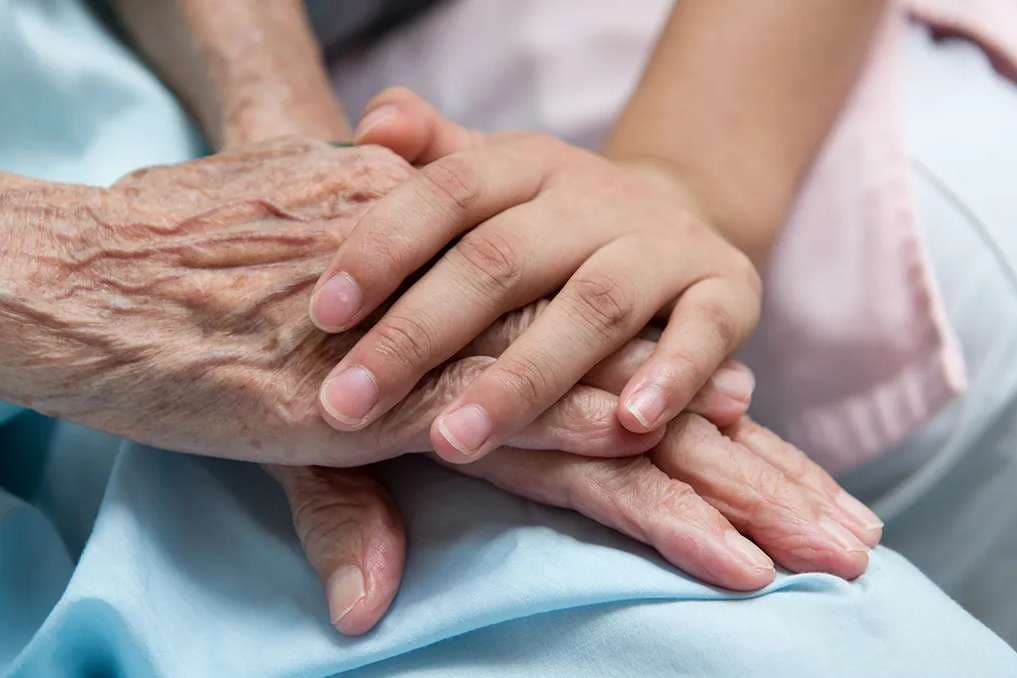
The majority of the Scottish Parliament voted March 17 to reject a bill to legalize physician-assisted suicide, and the president of the Catholic Bishops’ Conference of Scotland released a statement assuring the legislators they made the right choice.
Sixty-nine members of the Scottish Parliament (MSPs) voted against the bill, while 57 voted in favor, and one abstained. The MSPs held the vote after three hours of emotionally charged debate on the Assisted Dying for Terminally Ill Adults (Scotland) Bill introduced two years ago by Liberal Democrat MSP Liam McArthur, according to The Times. The final draft of the bill states that citizens with terminal illness would be eligible for assisted suicide if he or she had a prognosis of six months to live and has the capacity to request it. Eligibility also requires that the person has been a resident of Scotland for at least 12 months and is a patient with a medical practice in Scotland.
Bishop John Keenan, president of the Catholic Bishops’ Conference of Scotland — which has repeatedly expressed opposition to the bill — hailed the news as an affirmation of human dignity.
“MSPs can be confident that they have taken the correct and responsible course of action. Their vote serves to protect some of Scotland’s most vulnerable individuals from the risk of being pressured into a premature death,” he said in a statement.
Concerns over the bill continued to mount last week as MSPs rejected amendments to the bill that would have strengthened conscience rights protections for healthcare institutions. The Royal Pharmaceutical Society in Scotland and the College of Psychiatrists recently changed their positions on the bill from neutral to opposing after protections were removed.
Beyond the concern for the lack of protective amendments, the bill has also been criticized as inherently dangerous. Anthony Horan, director of the Catholic Parliamentary Office of the Bishops’ Conference of Scotland, emphasized in a statement that opposition to assisted suicide is “is grounded in ethical principles, real-world evidence, and a serious understanding of human vulnerability,” as Zeale News reported.
McArthur expressed disappointment after the bill ultimately failed, but also emphasized that he thinks the fight to legalize it will continue, saying, “This is not a conversation that is going away,” according to the Ardrossan Herald.
“For so long as dying Scots continue to suffer as a result of the lack of choice and safety afforded to them by the current law, I’m certain that it will be an issue in front of Parliament once more,” McArthur said.
The Times reported that independent MSP Jeremy Balfour, a leading opponent of the bill, said after the vote that “the overwhelming feeling is relief.”
The Guardian reports that Balfour, who himself is a disabled person, said the debate in Parliament would be terrifying for citizens with disabilities to hear.
“The protections in this bill are not good enough,” he said. “They can never be good enough.” According to The Times, Balfour also said that “this type of bill can never be safe.”
The Times also reported that the bill was also opposed by independent MSP Pam Duncan-Glancy, the first permanent wheelchair-user elected to the Scottish Parliament.
Ahead of the vote, Duncan-Glancy told fellow MSPs that the bill would endanger sick and disabled people. She shared that she has sometimes felt “broken by how hard it is to get the help I need,” according to The Times.
“When I have the support I need, when I am not fighting, I and people like me can live well. We can thrive,” she said. “That is what this parliament is for. We are here to legislate to empower everyone in this wonderful country to live well, including at the end.”
Duncan-Glancy also said that introducing physician-assisted suicide does not offer genuine choice.
“In a world where so many have little or no choices, we cannot risk making death the only choice they ever have,” she said, according to The Times. “If this bill passes, in a world of inequality it will be easier to access help to die than to live.”
In his statement about the bill’s defeat, Bishop Keenan emphasized that every human life is inherently valuable.
“Genuine compassion is not expressed through ending a life, but through accompanying those who suffer and ensuring they receive the medical, emotional, and spiritual support that recognises their dignity,” he said. “No life is without worth.”
He said the MSPs should be commended for moving Scotland further toward being a society that supports the vulnerable and cares for each person until his or her natural death. The next priority, he added, needs to be improving palliative care and its accessibility.
“I would like to express my gratitude to all MSPs for their serious engagement with this issue and for the thoughtful and considered attention they have given to the bill,” he said. “I am especially grateful to those who upheld the principle of human dignity and advocated on behalf of the vulnerable. Your principled commitment has not gone unnoticed.”
.jpg&w=3840&q=75)


Comments