SCOTUS cases shaping the future of women’s sports
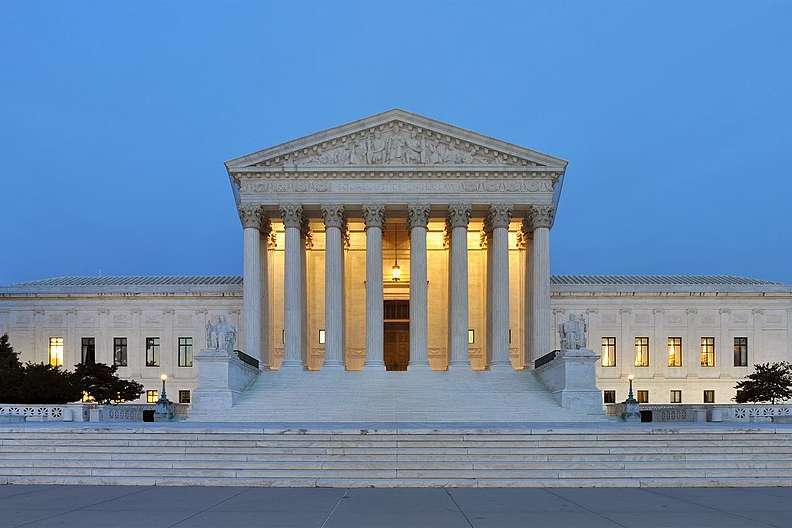
The Supreme Court of the United States is set to hear oral arguments in two pivotal cases on “transgender” participation in women’s sports Jan. 13.

- On Jan. 13, the Court will hear oral arguments in two key cases: Little v. Hecox and West Virginia v. B.P.J., both of which challenge state laws that protect girls’ and women’s sports from “transgender” participation.
- Idaho’s and West Virginia’s laws bar biological males from competing in female sports at public schools. The challenges were brought by male athletes Lindsay Hecox and B.P.J., who identify as “transgender” and argue they should be allowed to compete on girls’ teams.
- The athletes argue the states’ laws violate the Fourteenth Amendment’s Equal Protection Clause (and, in the West Virginia case, Title IX), while the states argue the laws are based on biological sex and are necessary to protect fairness, safety, and equal opportunities for female athletes.
- Riley Gaines and CatholicVote’s Kelsey Reinhardt say the rulings will determine whether states are constitutionally allowed to protect women’s sports, with broad implications for girls’ safety, privacy, and athletic opportunities across the country.
The Supreme Court of the United States (SCOTUS) is set to hear oral arguments in two pivotal cases on “transgender” participation in women’s sports Jan. 13, a step toward deciding whether two states are constitutionally allowed to have laws protecting female athletes.
The first case, Little v. Hecox, began in 2020 after Idaho enacted its Fairness in Women’s Sports Act, which unequivocally bars biological males from competing in girls’ or women’s sports in all public schools, SCOTUSblog reported. The law excluded male Boise State University student Lindsay Hecox, who identifies as “transgender,” from trying out for the women’s track and cross-country teams at the school.
As Zeale previously reported, Hecox decided to withdraw the case last year and urged SCOTUS to dismiss it, saying he no longer wished to pursue participation on the women’s athletic teams. His request was blocked by a district court judge, who ruled that the case was too important to “abandon” it “on the eve of a final resolution.”
SCOTUSblog reported that the second case, West Virginia v. B.P.J., challenges West Virginia’s Save Women’s Sports Act, which went into effect in 2021. According to the outlet, B.P.J. is a 15-year-old male student who identifies as female. His mother, Heather Jackson, sued since B.P.J. could not play on girls’ sports teams.
Attorneys for Hecox and B.P.J. argue that protecting women’s sports from “transgender” participation violates the Fourteenth Amendment’s Equal Protection clause, while B.P.J. also argues West Virginia’s law violates Title IX, SCOTUSblog reported. However, the outlet noted that Hecox is asking the court to broadly consider “transgender” rights in Idaho, while B.P.J. is petitioning for his own ability to play on girls’ sports teams.
Women's sports ministry to begin novena ahead of Supreme Court decision
U.S.11 days ago
For its part, Idaho argues that allowing men to play in women’s sports raises “fairness and safety” concerns and highlights that the law makes distinctions “based on ‘biological sex’ alone” rather than a person’s “transgender” identity. West Virginia also points to its law’s basis on biological sex, noting that “biological differences are critical to athletic fairness.”
Athlete and women’s sports advocate Riley Gaines emphasized the importance of the two cases for women’s rights during an interview with FOX News, stating: “What these cases and what the court is deciding on is: can states protect women’s rights based on sex — not if they must, it’s literally if they can — if it’s constitutional for women to have equality, equal opportunities, our rights to privacy, our rights to safety in our sports, and beyond. Not if they must, if they can. It seems as if we are fighting for the bare minimum here.”
Gaines said that she expects a decision in June and hopes for a 6-3 ruling.
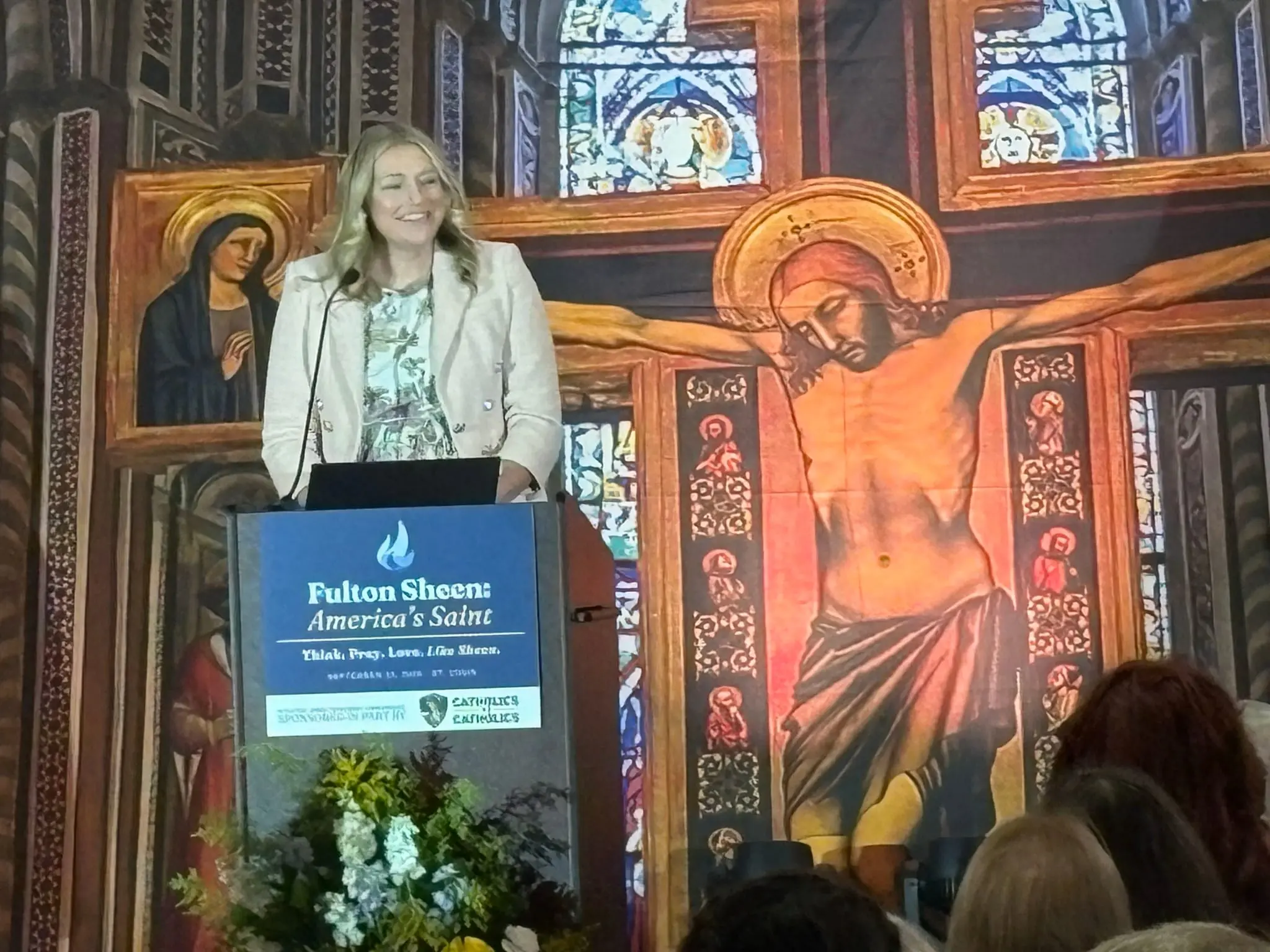
CatholicVote President Kelsey Reinhardt also highlighted the stakes of the two cases, writing Jan. 5 that decisions in favor of Hecox and B.P.J would place millions of young women “at risk of physical harm, emotional distress, and the loss of fair opportunities they have worked hard to earn.”
Urging prayers for the SCOTUS justices, young women, and the entire country, Reinhardt added, “The Supreme Court now has an opportunity — and a grave responsibility — to draw a clear, definitive, indelible line. The law must affirm what reality makes plain: girls deserve safety, fairness, and truth.”
She added that girls deserve privacy in locker rooms and protection from physical danger and loss of opportunities “wrought by forced participation in a misguided cultural experiment.”
.jpg&w=3840&q=75)

Comments