Solemnity of St. Joseph: Why Catholics celebrate the silent guardian of Jesus
Each year on March 19, Catholics pause their Lenten penances to celebrate the Solemnity of Saint Joseph, foster father of Jesus and patron of the Universal Church.

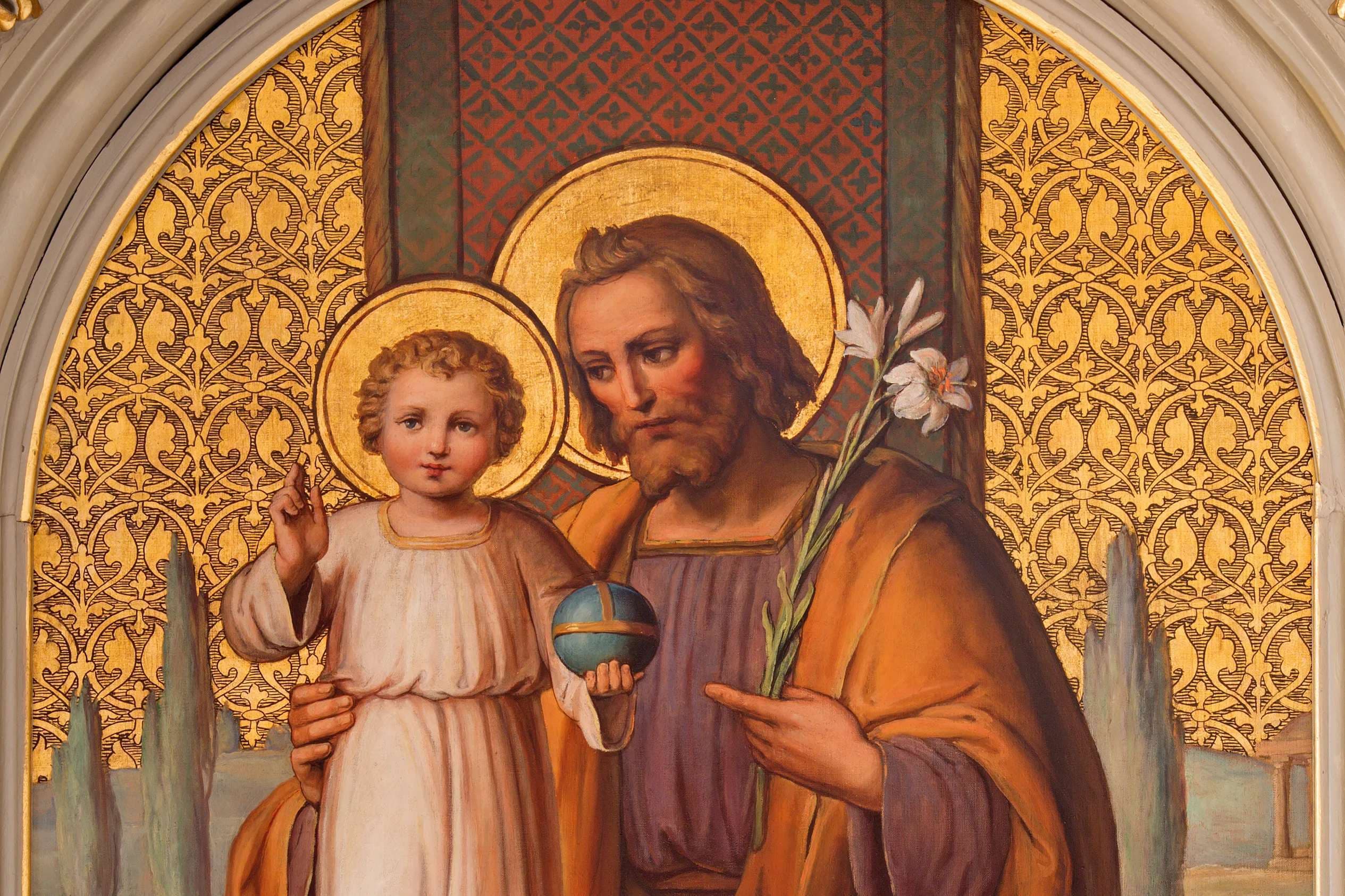
Each year on March 19, Catholics pause their Lenten penances to celebrate the Solemnity of Saint Joseph, foster father of Jesus and patron of the Universal Church. Despite the fact that St. Joseph has no recorded words in Sacred Scriptures, his obedience to God’s mission played a vital role in the salvation of the world.
Devotion to St. Joseph dates back to the earliest centuries of Christianity. According to the Marian Fathers, the first known commemorations appear among Coptic Christians as early as the fourth or fifth century. The Coptic Church observes his feast on July 20, a date traditionally associated with his death.
The Roman Catholic Church added St. Joseph’s feast to its calendar a little later in history. The Marian Fathers state that the first historical record showing the Western Church’s celebration of the feast day is a 9th-century record from a Benedictine Monastery in Reichenau, an island off of Germany, showing that the monks observed the feast March 19.
By 1479, Pope Sixtus IV began celebrating the feast in Rome, and in 1621, Pope Gregory XV made the feast on March 19 a holy day of obligation. The Solemnity of St. Joseph is still a holy day of obligation in Lebanon, Spain, and several other countries.
In Italy, St. Joseph holds a special place in the hearts of Sicilian Catholics, who prayed for his intercession during a medieval famine. Rain came, leading to an end to the famine, and the people of Sicily celebrated with a feast.
The feast includes dishes with the fava bean, which helped sustain people during the famine, and many Italians bake or eat zeppole, a cream-filled pastry that can be found at Italian bakeries.
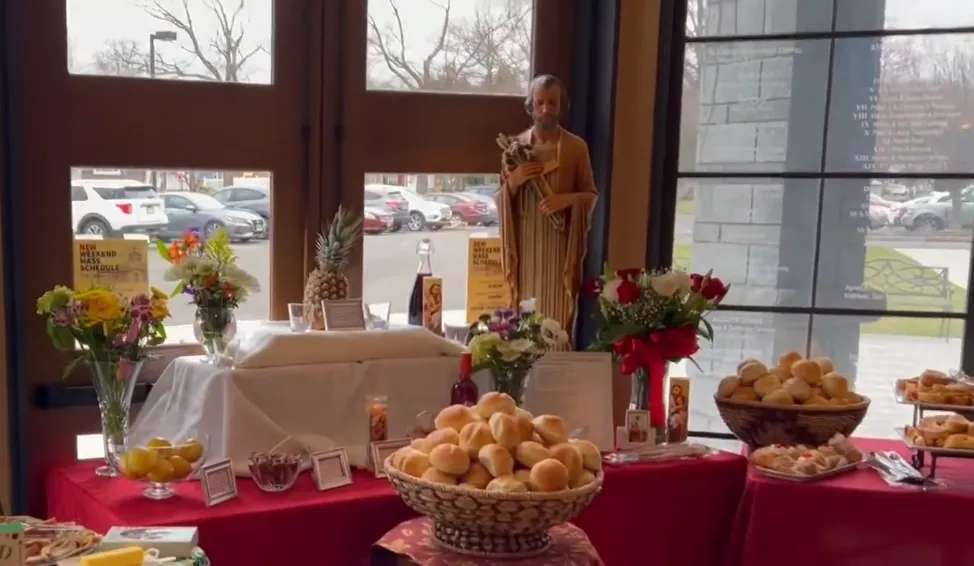
The solemnity of St. Joseph is also the day that Italy celebrates Father’s Day.
Saints throughout history have spoken about the importance of devotion to St. Joseph. Saint Josemaria Escriva urged Catholics to go to the father of Jesus, writing that the carpenter was “a master of the interior life.”
“In human life, Joseph was Jesus’ teacher in their daily contact, full of refined affection, glad to deny himself to take better care of Jesus,” the saint wrote. “Isn’t that reason enough for us to consider this just man, this holy patriarch, in whom the faith of the Old Covenant comes to full fruition, as a master of interior life?”
St. Joseph, he added, can tell the faithful many things about Our Lord.
“Therefore, never neglect devotion to him—Ite ad Ioseph: ‘Go to Joseph’—as Christian tradition puts it in the words of the Old Testament (Gen 41:55),” the saint wrote.
On the feast of St. Joseph, Catholics can attend Mass and pray the Litany of St. Joseph, asking for the protection of the Guardian of the Redeemer, Zealous Defender of Christ, and Protector of the Holy Church.




.jpg&w=3840&q=75)

Comments