Steubenville shakes off some of its ‘rust belt’ corrosion
A recent profile in The Free Press spotlights BookMarx, one of several small businesses committed to reviving the dilapidated downtown of the former steel mill and manufacturing hub through faith, community, and ingenuity.
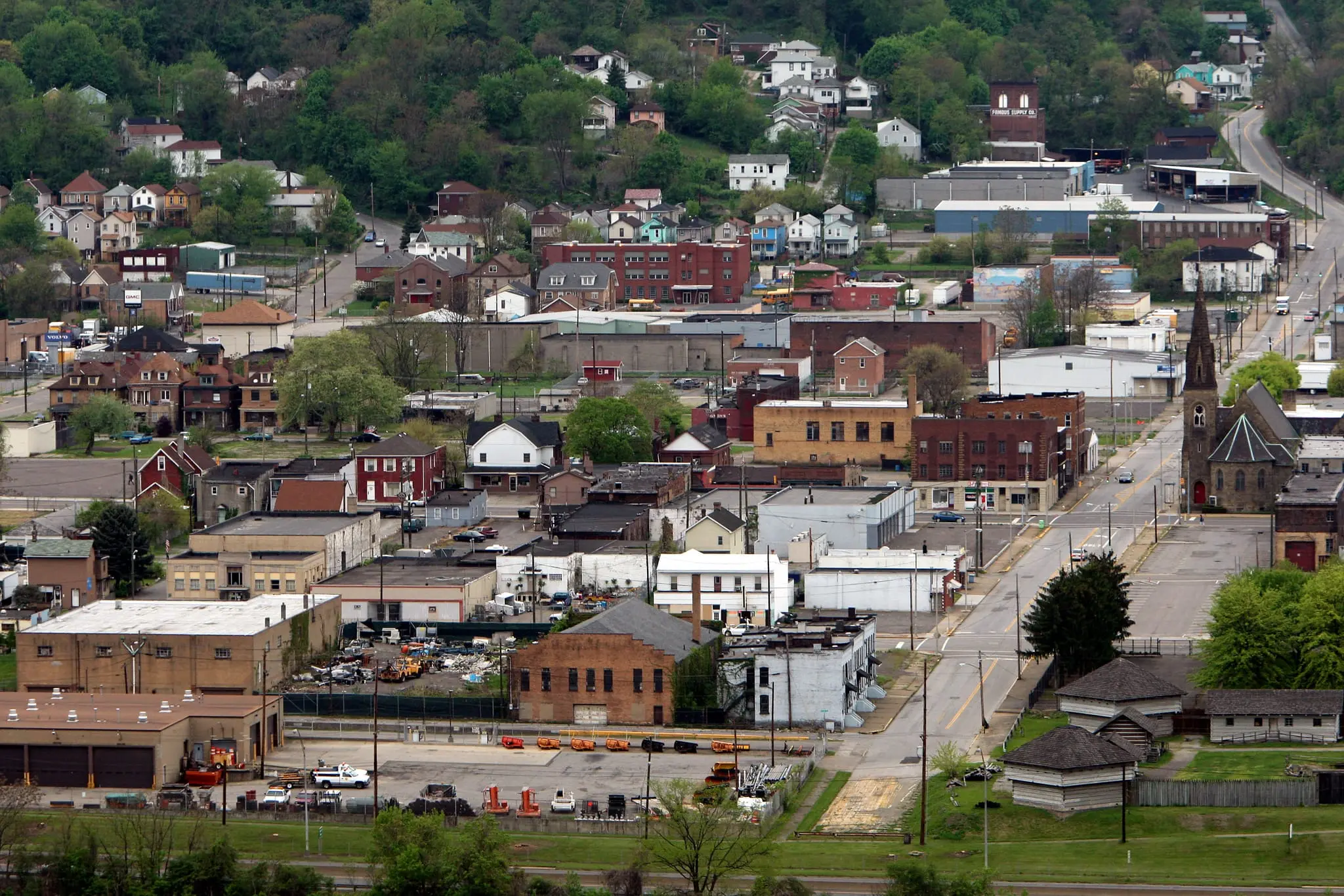
Aside from Franciscan University of Steubenville and affordable housing, like many other Rust Belt towns in the Midwest, Steubenville, Ohio, has had little to recommend it for decades. But a recent profile in The Free Press offers a glimpse into a grassroots revival of the city that may be a blueprint for other struggling cities.
“If God comes back, I want Him to find me with these people,” John Kuhner, co-owner with his wife Catherine of BookMarx, told The Free Press.
“Society needs committed people who will sacrifice personal comforts for communal good.” Otherwise,” he said, it “will deteriorate.”
Kuhner points to what has been underlying the efforts to revive downtown Steubenville, which was economically devastated by the introduction of the North American Free Trade Act in 1994. The trade pact resulted in steel and other manufacturing jobs moving overseas to places where labor was cheaper. That loss of jobs, when combined with the nationwide movement of businesses to the suburbs, has left Steubenville and other towns like it blighted.
In recent years, though, things have started to look up. Much of it has been driven by entrepreneurial graduates of Franciscan University seeking to build ties between the student body and the town, combined with the leadership of local politicians like former City Council Member at Large, Kimberly Hahn.
Marc Barnes, co-founder of the Harmonium Project, shared with the makers of Zeale’s Forgotten USA series how the First Fridays Festival event he helped launch is a centerpiece in that effort. The concept involves placing tents with sellers of handmade crafts, food, and other local products in front of closed storefronts, while leaving gaps between the tents for active businesses in brick-and-mortar locations. The influx of people attending the festivals has benefited both sets of businesses.
“It was incredible how easily it worked,” Barnes said. “The moment you fill those gaps up, and create the sense that we are one place, we are one people, we are full … People respond with great joy,” Barnes said. He related that people in their 60s and 70s who attended one of the First Fridays events said the vibrancy and busyness reminded them of how downtown used to be in its heyday.
At the heart of the revitalization is something that can’t be built or engineered by a property developer. Barnes put it this way: “How do I revitalize a city in order to have as much happiness for the people who live here as possible?
“Well, then you've got to ask the question, what makes people happy? And if you get down to it, what makes people happy is God and other people,” Barnes said.
While it has a ways to go, downtown Steubenville now boasts Chesterton Cigars, Leonardo Coffee Shop, BookMarx, Nelson’s Fine Art & Gifts and an effort to restore the Grand Theater to its former glory.
For more on the revitalization, watch the “The Steubenville Story” episode of Zeale’s Forgotten USA series.





Comments