Study finds childlessness exacerbates loneliness among aging communities
Studies show that older adults’ loneliness rates have increased in recent years, and a trend of childlessness is only exacerbating the problem, according to a recent report from the Institute of Family Studies.

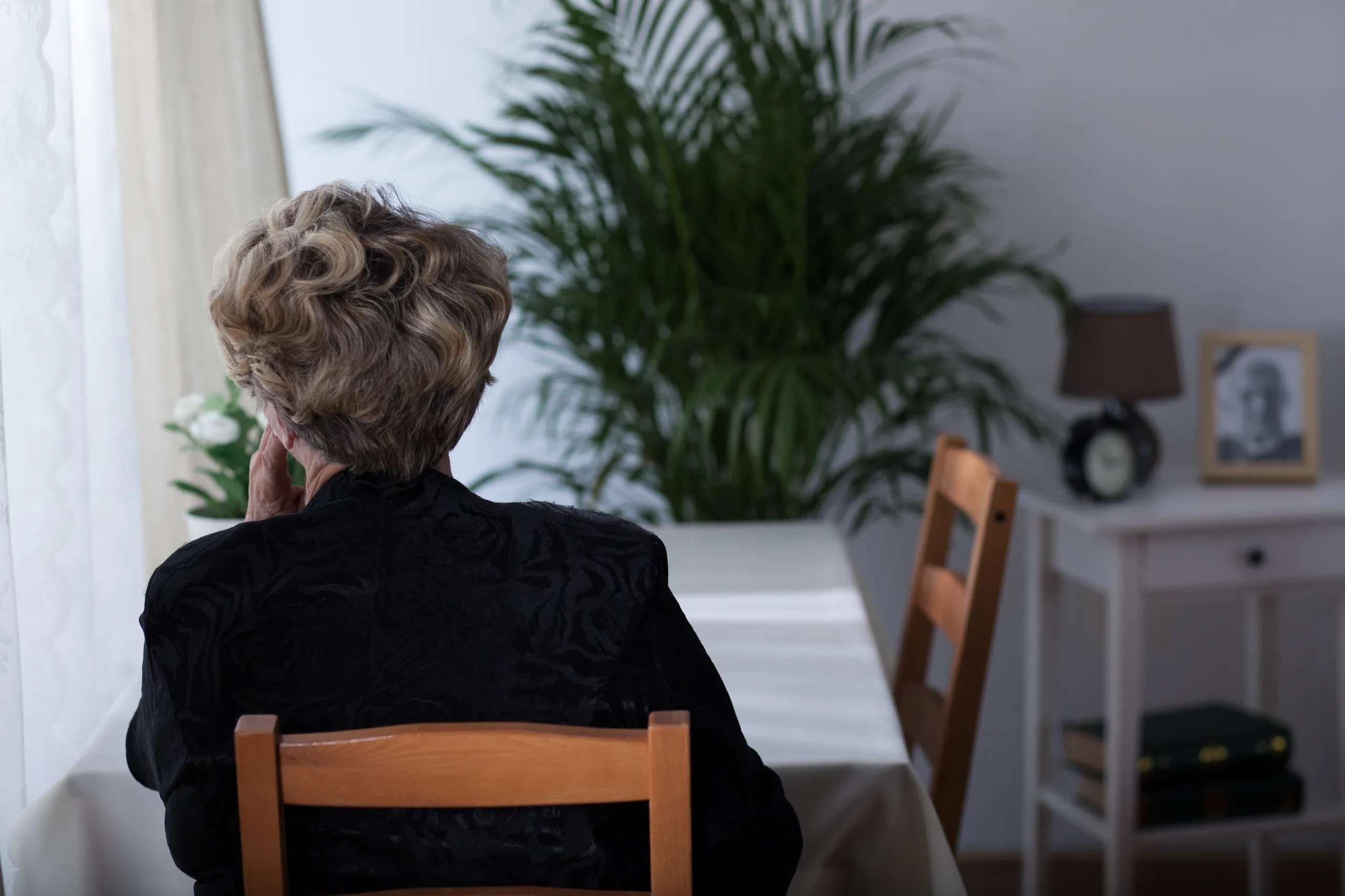
Studies show that older adults’ loneliness rates have increased in recent years, and a trend of childlessness is only exacerbating the problem, according to a recent report from the Institute of Family Studies.
Sociology professor emerita and author Rosemary Hopcroft wrote that loneliness among adults aged 45 or older reached 40% in 2025 — five percentage points higher than levels recorded in 2010 and 2018 — according to an AARP poll. She noted that “loneliness has always been a risk of growing older” in developed countries like the U.S. but said that the chances of being alone are becoming heightened in modern society.
“The problem is that rates of loneliness are increasing among the old and are exacerbated by rising levels of childlessness, since the childless are more likely to be lonely in old age,” Hopcroft wrote. “As fertility declines and life expectancy rises, more older adults will enter late life without children and with fewer built-in sources of intergenerational connection.”
Hopcroft noted that several factors contribute to the rising incidence of loneliness, including living alone, longer life expectancies, an aging population, and childlessness. She cited a report from Harvard University’s Joint Center for Housing Studies, which projects that the share of adults aged 80 or older living alone will reach 12% of all U.S. households in 2028, doubling the percentage recorded in 2018.
Hopcroft also noted that many older adults are left living alone for years after the deaths of their spouses, a trend that she said is “particularly true for women.” As large percentages of women will remain childless, more older adults are projected to experience increased loneliness later in life. According to the Institute for Family Studies’ projections, as many as 30% of U.S. women born in 1989 are likely to remain childless.
Citing another study published by The Gerontologist, Hopcroft noted that “older Americans without living children reported a significantly higher level of loneliness compared with those with living children.” According to the study, childless adults had an average loneliness score of 1.62 out of four, while those with children had an average score of 1.52.
“While the difference appears modest, it was statistically significant and comparable in size to several other well-known predictors of loneliness such as not being married,” Hopcroft wrote.
Finally, she compared the results with a 2018 analysis by Nicholas Wolfinger, which found that “childless Americans ages 50-70 were no less likely than parents to describe themselves as ‘very happy.’” However, Hopcroft pointed out that while childless adults may have comparable happiness levels, loneliness and happiness are not the same, and “there is evidence that the pursuit of happiness can actually promote loneliness."


Comments