‘The Confession of St. Patrick’ shows the deep humility of the saint who converted Ireland
On March 17, Catholics and non-Catholics alike celebrate the feast of St. Patrick, one of the first missionaries to bring Christianity to Ireland.

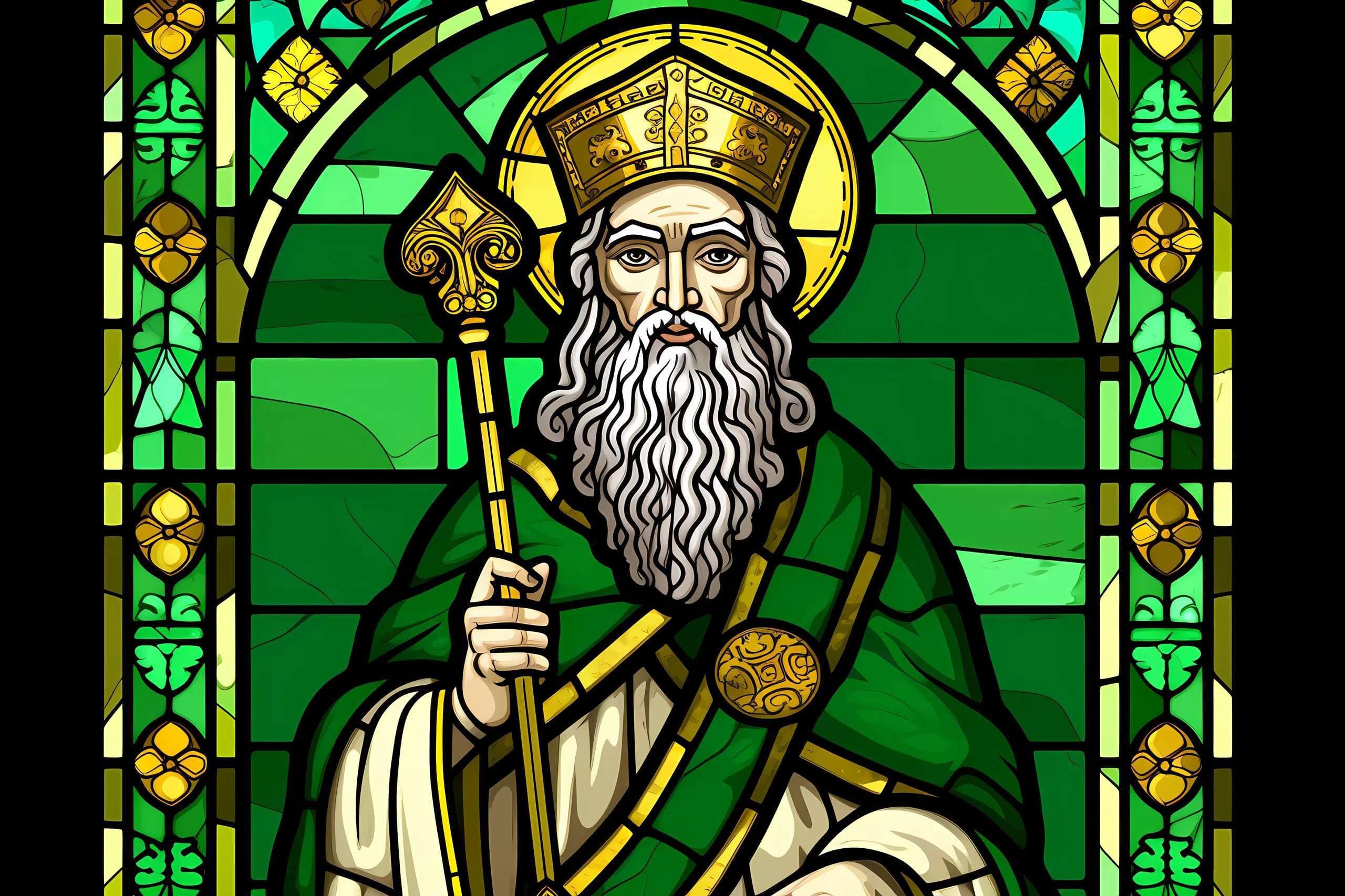
On March 17, Catholics and non-Catholics alike celebrate the feast of St. Patrick, one of the first missionaries to bring Christianity to Ireland. Festivities are held in Ireland, the U.S., and throughout the world, including in Tokyo and the Caribbean.
Most people know the basic story of St. Patrick. A Roman citizen living in Britain in the 5th century, he was kidnapped by pirates when he was a teenager and taken to Ireland. There, he grew deeper in his faith. After a miraculous escape back to Britain, he felt called to return to Ireland to minister to its people.
The Church has celebrated the feast of the saint for at least 1,000 years, according to Catholic Answers, and in many places it is also observed as a celebration of Irish culture. But the writings of St. Patrick point to spiritual realities much deeper than green beer and fiddle music. St. Patrick’s Confession and his prayer The Breastplate of St. Patrick show that despite the enormity of his mission, he remained incredibly humble and totally reliant on the grace of God.
“My name is Patrick,” he begins. “I am a sinner, a simple country person, and the least of all believers. I am looked down upon by many.”
The saint explains that when he was captured as a teenager, alongside thousands of others from Britain, he did not know the true God, although he was raised Catholic.
“We deserved this, because we had gone away from God, and did not keep his commandments,” he wrote. “We would not listen to our priests, who advised us about how we could be saved. The Lord brought his strong anger upon us, and scattered us among many nations even to the ends of the earth. It was among foreigners that it was seen how little I was.”
Despite ignoring God in his youth, the Lord showed his mercy and tenderness to Patrick while he was a slave in Ireland, he wrote. Even while suffering cold, hunger, and the deprivations that slaves in Ireland suffered, Patrick wrote that he felt God’s tender care for him.
Our Lord, the saint wrote, “looked down on my lowliness and had mercy on my youthful ignorance. He guarded me before I knew him, and before I came to wisdom and could distinguish between good and evil. He protected me and consoled me as a father does for his son.”
This total trust in God’s providence, mercy, and forgiveness marked St. Patrick’s entire ministry.
The Lord eventually called Patrick to leave Ireland, providing a ship with a willing crew and food to bring him back to England. There, he became a priest and bishop before experiencing a supernatural vision that called him back to Ireland.
While preparing to become a bishop, however, a dear friend of Patrick’s publicly revealed a sin from the saint’s adolescence. Patrick had confessed the sin already, and he had a firm confidence in God’s unfailing mercy. Rather than show anger toward his friend, he wrote that he was grieved by his betrayal.
He then had a dream in which he heard Our Lord say, “We have seen with displeasure the face of the one who was chosen, deprived of his good name.”
“For that reason, I give thanks to the one who strengthened me in all things,” the saint wrote, “so that he would not impede me in the course I had undertaken and from the works also which I had learned from Christ my Lord. Rather, I sensed in myself no little strength from him, and my faith passed the test before God and people.”
St. Patrick brought his radical trust in the power and mercy of God to the druids of Ireland, winning over the hearts of these men and women. He reflected in his Confessions on God’s command to make disciples of all nations.
“How has this happened in Ireland?” he wrote. “Never before did they know of God except to serve idols and unclean things. But now, they have become the people of the Lord, and are called children of God. The sons and daughters of the leaders of the Irish are seen to be monks and virgins of Christ!”
The Breastplate of St. Patrick prayer offers a further clue into his radical trust in the power of God. It opens with the invocation: “I arise today Through a mighty strength, the invocation of the Trinity, Through belief in the Threeness, Through confession of the Oneness of the Creator of creation.”
St. Patrick’s life offers a powerful example of evangelization. Before he began to spread the Gospel, he completely surrendered himself to Christ, trusting in the powerful mercy of Our Lord. Through his humility and trust in God’s goodness, he established the Church in Ireland and helped save the souls of those he baptized and countless others who since have been inspired by his work and witness.




Comments