Supreme Court ruling paves way for nationwide challenges of 'conversion therapy bans’
The Supreme Court ruled 8-1 on March 31 that Colorado's ban on so-called “conversion therapy,” or talk therapy helping clients explore or reduce same-sex attraction and gender dysphoria, violated the First Amendment. That decision has given counselors and therapists across the country legal grounds to challenge similar bans in other states.

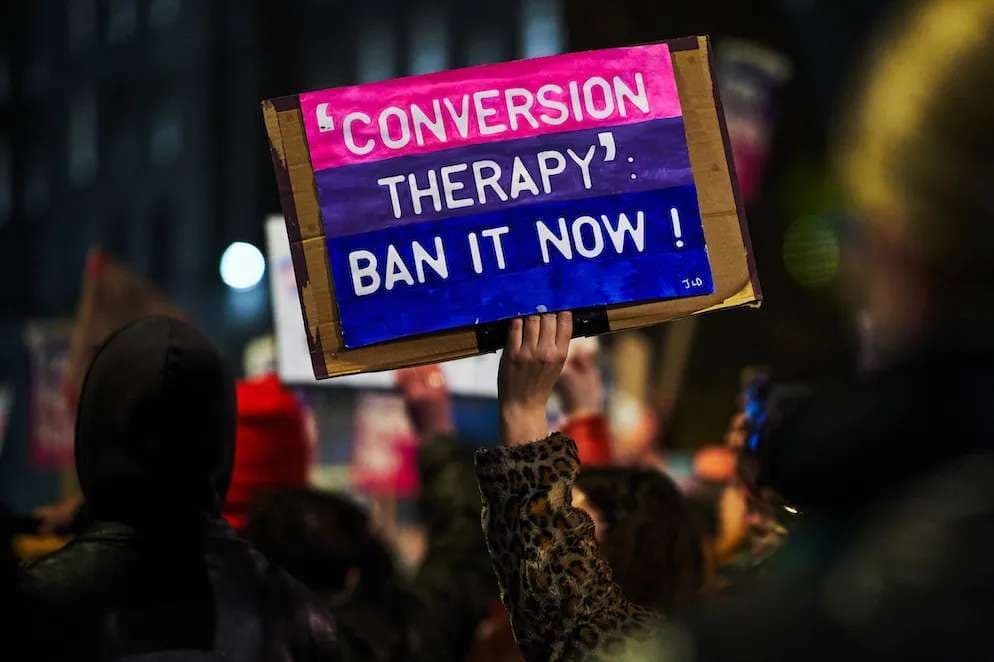
The Supreme Court ruled 8-1 on March 31 that Colorado's ban on so-called “conversion therapy,” or talk therapy helping clients explore or reduce same-sex attraction and gender dysphoria, violated the First Amendment. That decision has given counselors and therapists across the country legal grounds to challenge similar bans in other states.
Colorado ban found unconstitutional
As Zeale News previously reported, the Supreme Court found Colorado's minor "conversion therapy" law unconstitutionally favored one viewpoint, since it allowed licensed counselors to “affirm” a client's LGBT identity while banning any talk therapy aimed at reducing same-sex attraction or gender dysphoria. The case was reversed and remanded, meaning lower courts must now reevaluate Colorado's law under the far more demanding standard of strict scrutiny.
Writing for the eight-justice majority, Justice Neil Gorsuch said the Colorado law "censors speech based on viewpoint" and "the First Amendment stands as a shield against any effort to enforce orthodoxy in thought or speech in this country.”
Justice Elena Kagan, joined by Justice Sonia Sotomayor, wrote a separate concurrence agreeing the law unconstitutionally “suppressed one side of a debate, while aiding the other.”
CatholicVote had also filed an amicus brief arguing that Colorado weaponized its law to silence religious dissent and impose the state’s preferred ideology in June 2025.
More than 20 state bans face new scrutiny
In a lone dissent, Justice Ketanji Brown Jackson noted that Colorado is one of roughly 25 states with similar laws and warned the decision “opens a dangerous can of worms.”
Elana Redfield of UCLA’s Williams Institute said many state laws mirror Colorado’s approach and could conflict with the court’s reasoning.
Depending on how courts interpret the decision, some laws could be struck down, while others may remain on the books but become unenforceable, Redfield said.
Illinois law
Illinois is among the states facing immediate legal exposure. Its “Youth Mental Health Protection Act” similarly bars licensed counselors from offering talk therapy to minors who want to reduce same-sex attraction or gender dysphoria.
The Illinois law has not yet faced a direct constitutional challenge but, according to The Center Square, the Supreme Court ruling “tees up similar challenges and potentially shortened lifespans for similar bans in place in other states, including Illinois.”
Illinois pastors were already shielded from the ban by a separate ruling. The 2017 federal case Pastors Protecting Youth et al. v. Madigan found the state law applies only to licensed mental health professionals and those who commercially advertise "conversion therapy" – not to religious pastoral counselors.
John Mauck, the Chicago attorney who secured that ruling, said in an April 1 statement that the Colorado decision extends that protection further and "effectively rules that the Illinois law banning counseling for licensed counselors is invalid as a violation of free speech rights."
“Today’s High Court decision effectively rules that the Illinois law banning counseling for licensed counselors is invalid as a violation of free speech rights,” he wrote. "The state has no business telling counselors, 'You can help people go gay, but you can't help them go straight.'"


Comments