Trump signs nearly $70B package to fund ICE, Border Patrol
President Donald Trump signed the Secure America Act into law June 10, approving almost $70 billion in funding to bolster U.S. immigration enforcement and deportation operations through the end of fiscal year 2029. His signature ends a months-long feud on Capitol Hill over immigration enforcement funding and oversight.

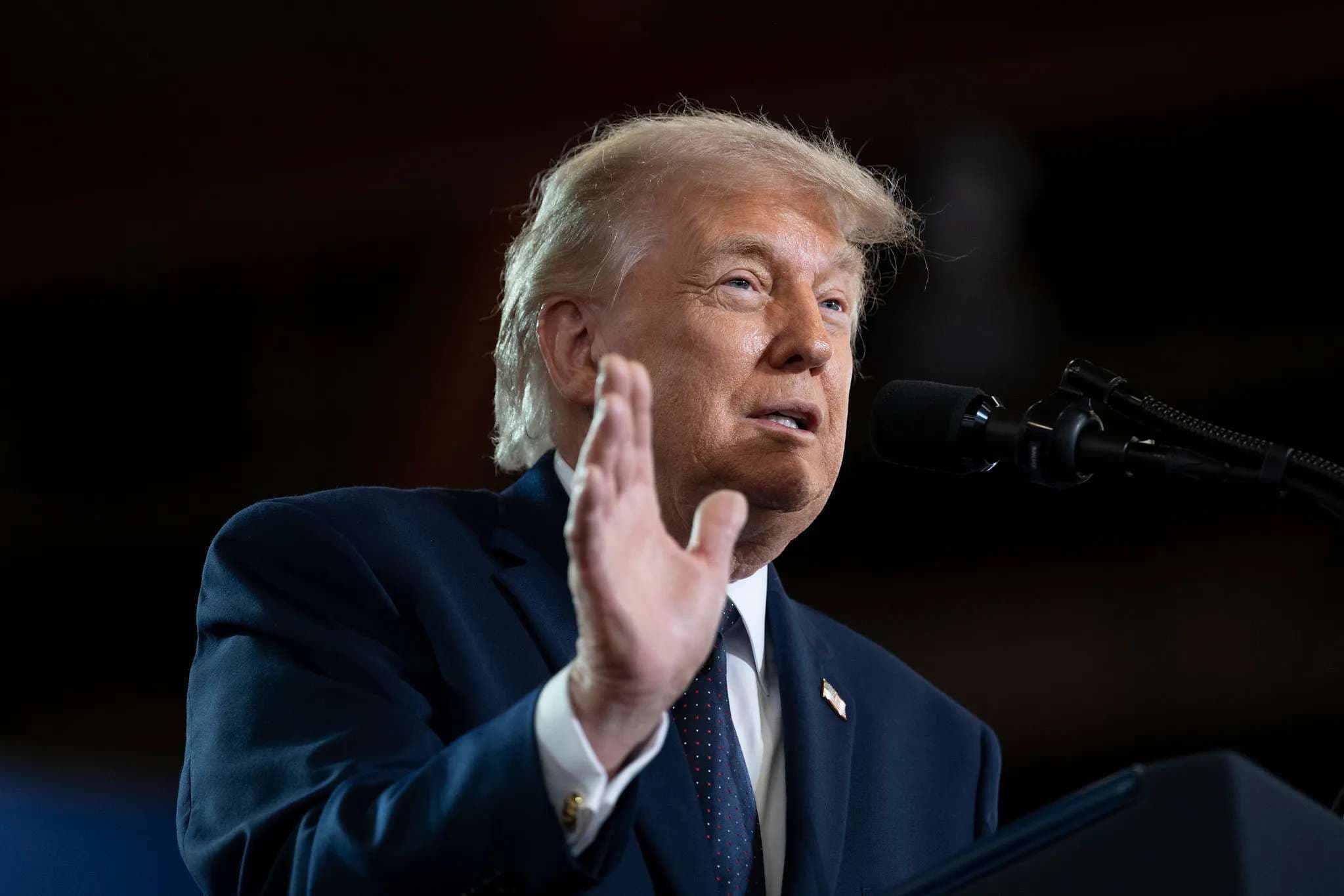
President Donald Trump signed the Secure America Act into law June 10, approving almost $70 billion in funding to bolster U.S. immigration enforcement and deportation operations through the end of fiscal year 2029. His signature ends a months-long feud on Capitol Hill over immigration enforcement funding and oversight.
“This morning I'm thrilled to sign the Secure America Act to immediately and fully fund the Department of Homeland Security through the end of my term, so we won't have that to be talking about anymore,” Trump said from the Oval Office during the signing ceremony.
He said the law will give federal immigration officials the “support and resources they need to defend our borders, protect our homeland, and to keep America safe.” Trump added that it provides “crucial funding for domestic law enforcement investigations and combating child exploitation.”
The legislation provides about $38 billion to Immigration and Customs Enforcement (ICE), $26 billion to Customs and Border Protection (CBP), including Border Patrol operations, and another $5 billion for unforeseen costs controlled by Department of Homeland Security (DHS) Secretary Markwayne Mullin, according to the White House.
The money will support expanded detention capacity, deportation operations, hiring and training for immigration enforcement agencies, local law enforcement partnerships, surveillance and border-monitoring technology, and operational support for ICE and Border Patrol for the next three years.
House Speaker Mike Johnson, R-La., praised the bill as a means of providing “REAL safety and security for the American people” in a June 10 X post.
During floor debate on June 9, House Minority Leader Hakeem Jeffries criticized the measure as a “blank check to ICE” that will allow the “Republican violent mass deportation machine” to “continue to brutalize or kill American citizens.”
The House passed the bill on June 9 in a narrow 214-212 party-line vote, after the Senate approved the measure on June 5 following an 18-hour marathon vote session. Republicans advanced the package through the budget reconciliation process, which allows certain budget-related legislation to pass the Senate with a simple majority and avoid a filibuster.
Republicans turned to reconciliation after months of failed negotiations with Democrats over immigration enforcement funding and oversight reforms.
Democratic lawmakers had refused to fully fund ICE and Border Patrol unless the money was paired with new limits on immigration enforcement practices, including requirements for agents to wear body cameras and obtain judicial warrants before entering homes.
The dispute began in January after the fatal shootings of two U.S. citizens, Renee Good and Alex Pretti, during federal immigration operations in Minneapolis. Democrats pushed for additional oversight measures after the shootings, while Republicans argued that ICE and Border Patrol needed immediate funding to continue operations.
The standoff led to a partial DHS shutdown beginning Feb. 14. About 75 days later, Congress passed legislation to reopen and fund much of DHS, including the Coast Guard, the Federal Emergency Management Agency, the Transportation Security Administration, and the Secret Service. As part of the plan, lawmakers opted to address ICE and Border Patrol funding separately through budget reconciliation.
>> House votes to fund Department of Homeland Security, ending partial DHS shutdown <<
The Secure America Act also faced delays within the Republican Party. Trump had originally set a June 1 deadline for the legislation to reach his desk, but the bill became entangled in disputes over several unrelated provisions.
One dispute centered on Trump’s request to include $1 billion in security funding for the White House ballroom. The Senate parliamentarian later ruled that the provision did not comply with reconciliation rules.
Another fight involved the Justice Department’s proposed “anti-weaponization” fund, which would have compensated people who alleged the federal government unlawfully targeted them. The proposal drew objections from some Senate Republicans and forced party leaders to delay a vote until after the Memorial Day recess. The administration later signaled plans to abandon the fund, as Zeale News previously reported.
The Senate ultimately passed the package 52-47 before sending it back to the House for final approval. With Trump’s signature, the law gives the administration a major infusion of money for its immigration enforcement agenda through the end of his second term.






Comments