US bishops issue message urging immigration reform, lamenting ‘vilification of immigrants’
The United States Conference of Catholic Bishops (USCCB), which is gathered in Baltimore, Maryland, for its fall Plenary Assembly this week, issued a Special Pastoral Message Nov. 12 decrying the current rhetoric around the topic of immigration and expressing concern for immigrants across the nation.

The United States Conference of Catholic Bishops (USCCB), which is gathered in Baltimore, Maryland, for its fall Plenary Assembly this week, issued a Special Pastoral Message Nov. 12 decrying the current rhetoric around the topic of immigration and expressing concern for immigrants across the nation.
A Nov. 12 press release from the USCCB noted that the message, which the bishops approved in a 216-5 vote with three abstentions, is the first time in 12 years the USCCB has utilized “this particularly urgent way of speaking as a body of bishops,” with the last one being issued in light of the government’s contraceptive mandate.
“As pastors, we the bishops of the United States are bound to our people by ties of communion and compassion in Our Lord Jesus Christ,” the bishops stated. “We are disturbed when we see among our people a climate of fear and anxiety around questions of profiling and immigration enforcement. We are saddened by the state of contemporary debate and the vilification of immigrants.”
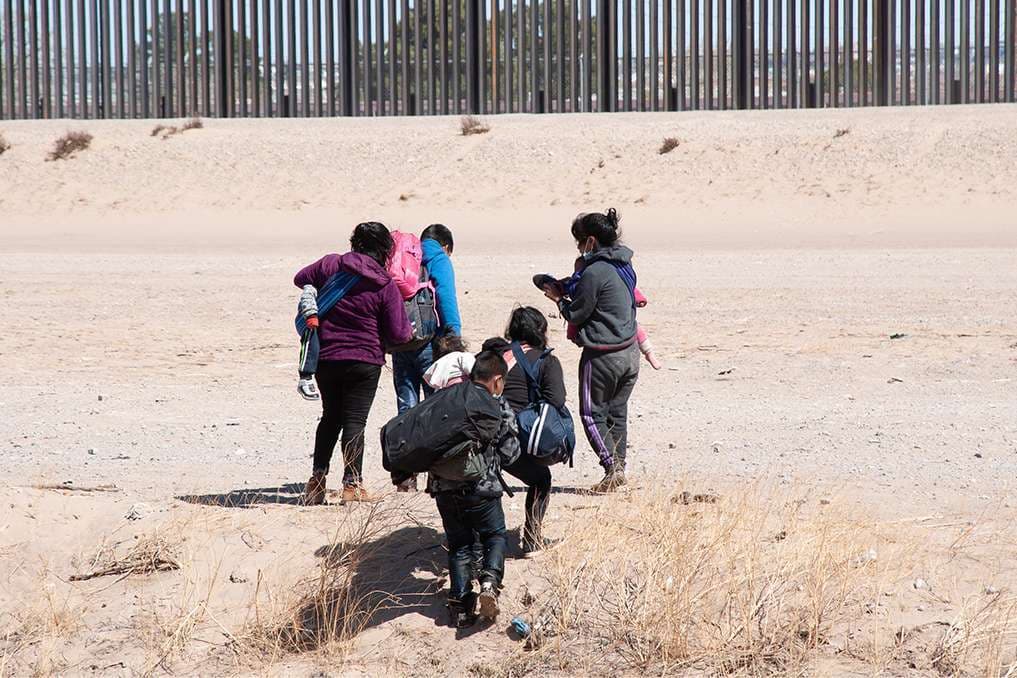
They also expressed concern regarding detention centers’ poor conditions and lack of access to pastoral care and lamented that some immigrants “have arbitrarily lost their legal status.”
“We are troubled by threats against the sanctity of houses of worship and the special nature of hospitals and schools,” they continued. “We are grieved when we meet parents who fear being detained when taking their children to school and when we try to console family members who have already been separated from their loved ones.”
Generations of immigrants have contributed significantly to the nation’s well-being, they continued.
“We as Catholic bishops love our country and pray for its peace and prosperity,” they wrote.
This love of the country, they said, compels them to speak out “in defense of God-given human dignity,” adding that nations are called to uphold the human dignity of all people, including immigrants.
Immigrants are at risk of trafficking and other forms of exploitation if border regulation and just immigration processes are not in place, the bishops added.
According to the bishops, the antidote is “safe and legal pathways” to citizenship.
“Human dignity and national security are not in conflict. Both are possible if people of good will work together,” the bishops continued. “We recognize that nations have a responsibility to regulate their borders and establish a just and orderly immigration system for the sake of the common good.”
The bishops stressed that, as Genesis 1:27 relates, human beings are made in the image and likeness of God.
“As pastors, we look to Sacred Scripture and the example of the Lord Himself, where we find the wisdom of God’s compassion,” they continued. “The priority of the Lord, as the Prophets remind us, is for those who are most vulnerable: the widow, the orphan, the poor, and the stranger (Zechariah 7:10).”
Quoting 2 Corinthians 8:9, Luke 10:30–37, and Matthew 25, the bishops reflected on how Christ became poor, how he is the Good Samaritan, and how he “is found in the least of these.”
“The Church’s concern for neighbor and our concern here for immigrants is a response to the Lord’s command to love as He has loved us,” they wrote, referencing John 13:34.
“To our immigrant brothers and sisters, we stand with you in your suffering, since, when one member suffers, all suffer,” they wrote, citing 1 Corinthians 12:26. “You are not alone!”
The bishops expressed gratitude for the many Catholics who support immigrants in having basic human necessities and encouraged “all people of good will to continue and expand such efforts.”
Concluding, they wrote, “We oppose the indiscriminate mass deportation of people. We pray for an end to dehumanizing rhetoric and violence, whether directed at immigrants or at law enforcement. We pray that the Lord may guide the leaders of our nation, and we are grateful for past and present opportunities to dialogue with public and elected officials. In this dialogue, we will continue to advocate for meaningful immigration reform.”
The bishops invoked Our Lady of Guadalupe, patroness of the Americas, to use her mantle to “enfold us all in her maternal and loving care and draw us ever closer to the heart of Christ.”





Comments