US, Iran conclude Doha talks with progress but no agreement on frozen assets
Indirect U.S.-Iran talks in Doha concluded July 1 with both sides reporting progress on implementing last month's ceasefire agreement, although they disagreed over whether a partial release of frozen Iranian assets had been reached.

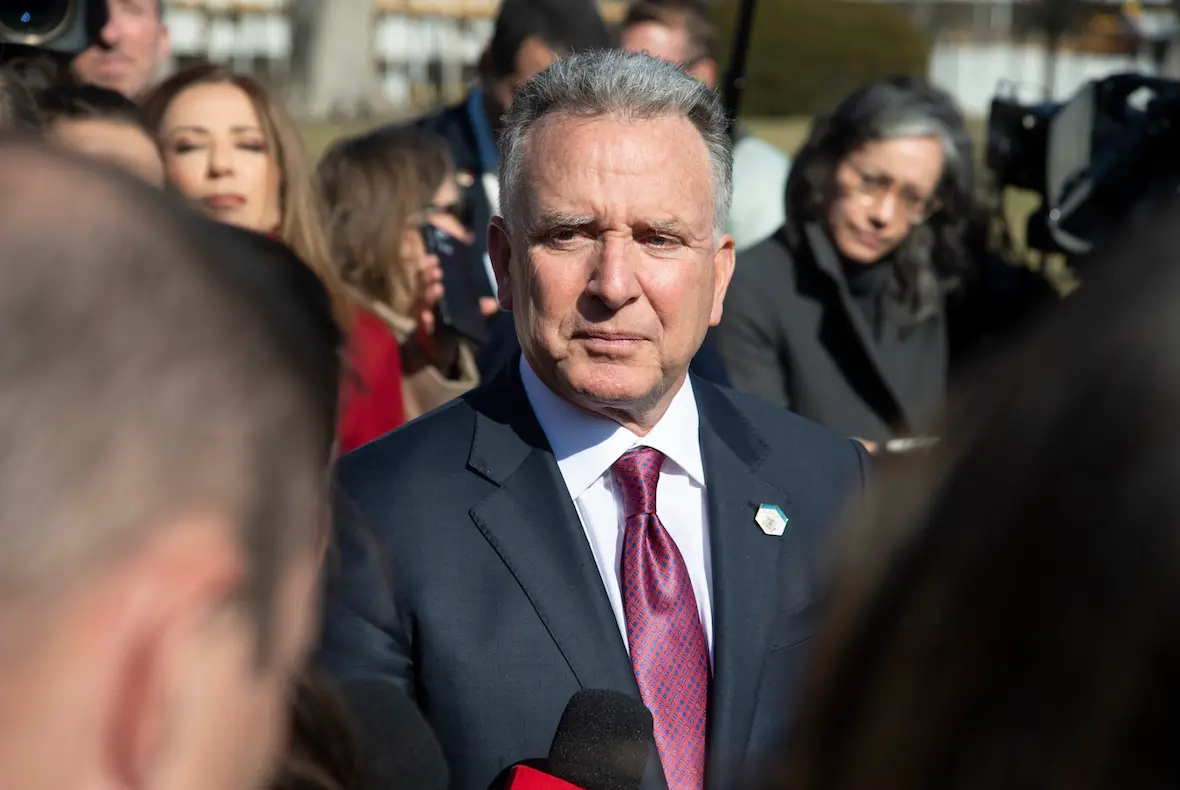
Indirect, technical-level talks between U.S. and Iranian negotiators wrapped up July 1 in Doha after a second day of discussions mediated by Qatar and Pakistan, with officials on both sides describing progress but disagreeing over whether a deal was reached to unfreeze part of Iran's blocked assets.
The Jerusalem Post reported no direct meetings took place between senior U.S. and Iranian officials. The talks, which began the evening of June 30, focused on implementing a 14-point memorandum of understanding signed in June that halted fighting and set a 60-day window for a permanent agreement, officials involved said.
Iran's delegation was led by Deputy Foreign Minister Kazem Gharibabadi and included representatives from the Foreign Ministry, the central bank, and the Agriculture Ministry, Iranian state media reported. Gharibabadi told Iran's IRNA news agency that the session included the first meeting of a monitoring group set up to track implementation of the memorandum and that the group agreed to establish "an immediate communication channel" by July 2 to document and review any violations.
"The commitments of the memorandum of understanding are an integrated set and cannot be seen in isolation," Gharibabadi said, according to IRNA. He said Iran's delegation also raised what it called a U.S. violation of the memorandum's provision on ending the war in Lebanon.
Iran said the two sides agreed to release part of the roughly $6 billion in frozen Iranian assets — reported at about $3 billion — so Tehran's central bank could purchase goods, including from U.S. markets, rather than receive the funds in cash. According to The Times of Israel, U.S. officials disputed that any such understanding had been reached.
Separately, U.S. envoys Steve Witkoff and Jared Kushner met with Qatar's emir, Sheikh Tamim bin Hamad Al Thani, and with Qatar's prime minister and foreign minister, Sheikh Mohammed bin Abdulrahman Al Thani, to discuss the progress of negotiations, according to a statement from the emir's office. A senior U.S. official told CNN the envoys "have both had very good conversations with regional leaders" and that "good progress continues to be made."
President Donald Trump called the July 1 meetings "very good" and said "the denuclearization of Iran is moving along well."
Vice President JD Vance told reporters that "the technical negotiators are sitting down with the Iranians, with the Qataris, and with others in Doha" to discuss details of the talks, adding that discussions would soon turn to Iran's nuclear program.
"Right now the talks are going well," he said. Vance also said that the U.S. would not resume military action against Iran "unless he has to, unless there's a clearly defined purpose for it," and that further strikes would depend on whether Iran resumes advancing its nuclear program, refuses inspections or resumes attacks on commercial vessels.
According to shipping industry reports, commercial shipping through the Strait of Hormuz has partially resumed since the ceasefire but remains inconsistent, with new Iranian permit requirements and disputes over toll fees continuing to complicate traffic.



Comments