‘We should not remain on the sidelines’: Bishop Barron calls Christians to stand up against assisted suicide
Bishop Robert Barron of Winona-Rochester, Minnesota, this weekend emphatically denounced the recent legalization of physician-assisted suicide in his home state of Illinois, and he urged all Christians to bring the faith to the public square and oppose it.

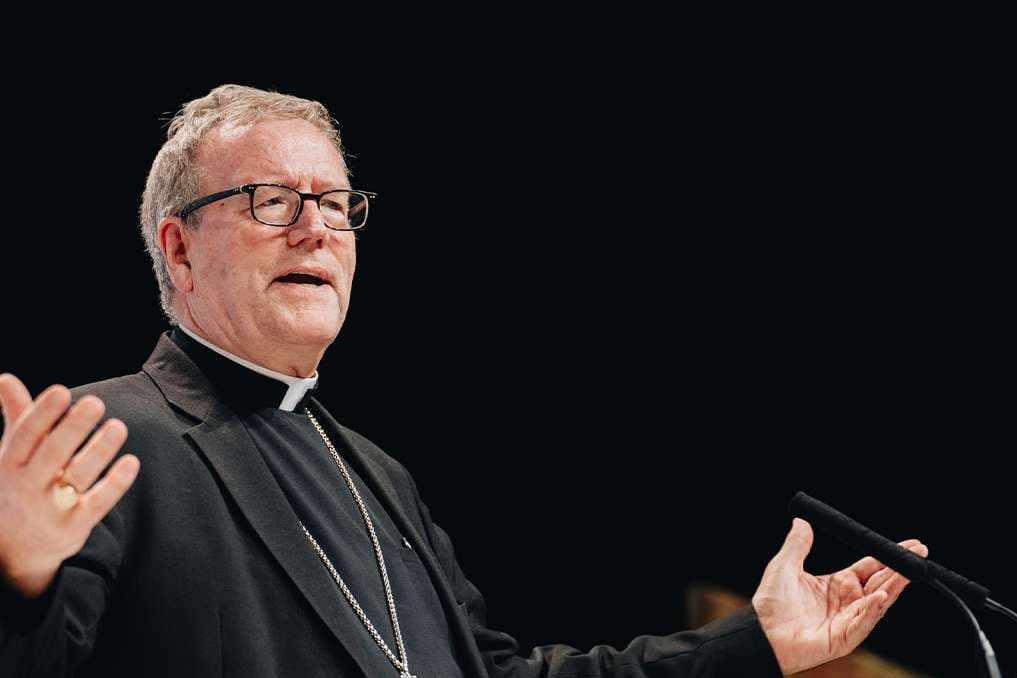
Bishop Robert Barron of Winona-Rochester, Minnesota, this weekend emphatically denounced the recent legalization of physician-assisted suicide in his home state of Illinois, and he urged all Christians to bring the faith to the public square and oppose it.
“I wanted to speak out as strongly as I can against a measure that I think is really shameful,” He said in the Dec. 13 X video about the bill. emphasizing that legalized physician-assisted suicide is “the direct killing of the sick and the elderly now officially sponsored by the state.”
Advocates of assisted suicide will describe it as a matter of “choice” and honoring someone’s personal decision, Bishop Barron said, but added that people should not be taken advantage of through this tactic, which pro-abortion advocates have used for decades.
Pro-abortionists have argued “my body, my choice” to justify abortions, but Bishop Barron emphasized that the issue at hand isn’t choice itself, but what is being chosen.
“What’s morally relevant is not choice in itself — what’s morally relevant is what we’re choosing. What’s the object of your choice?” he said.
Regarding the choice of the pro-assisted suicide law, the bishop continued, “You’re choosing something morally repugnant, which is the direct killing of the sick and the elderly.”
He recalled how several years ago in California, when assisted suicide legislation was being debated there, he saw a billboard in favor of it that read: “My life, my death, my choice.”
This framing, according to Bishop Barron, is “a model of the culture of death.”
“The Bible would say, ‘Whether we live or we die, we are the Lord’s,’” he continued. “Our life doesn’t belong to us, it’s a gift from God, our death is not a matter of our choice, it’s a matter of God’s decision.”
He then called “all biblically-minded people — and we’re still in an extraordinary majority of our country, biblically-shaped people — to rise up against this latest instantiation of the culture of death,” encouraging them to not shy away from faith-based advocacy.
“You say, ‘Well I can’t make a religious argument public.’ Sure you can,” Bishop Barron emphasized. “Last time I checked, we have freedom of religion in our country, which means the free exercise of our religion, which means you can come into the public forum and make a religious argument. We who are shaped by a biblical consciousness should not remain privatized, we should not remain on the sidelines. We should come forth and make as bold an argument as we can.”
He also warned against being deceived by the argument that physician-assisted suicide legislation has guardrails to protect against abuse and coercion, noting that in Canada and other places that have legalized assisted suicide or euthanasia, it began the same way but the guardrails were quickly erroded.
“We are on a very, very slippery slope,” he said.
Abortion laws in America began similarly — initially they were much more strict, in only certain cases, and now abortion is accessible on demand for any reason, he noted.
He again urged the faithful to stand up against the culture of death.
“We have to fight it, we have to stand up in a public and bold and confident way, and speak out against this culture death,” he concluded. “And God bless all of you.”

Comments