Welcoming a new sibling: How to prepare your children for the transition
The arrival of a new baby is one of the most beautiful milestones a family can experience. But for older children, whether toddlers or tweens, it can also feel like a big and mysterious change.

The arrival of a new baby is one of the most beautiful milestones a family can experience. But for older children, whether toddlers or tweens, it can also feel like a big and mysterious change.
With a little intentionality, this transition can become something more: the beginning of a lifelong friendship and a powerful lesson that love in a family doesn’t divide — it multiplies.
Preparing your children for a sibling is so much more than redesigning a bedroom space or other logistics. It’s about shaping how they see this moment, not as losing attention, but as gaining someone to love.

Build excitement before the big day
- Make the baby feel familiar: Read age-appropriate books about becoming a big brother or sister or the baby’s development in the womb. Find stories that help children imagine what’s coming in a safe, positive way. A baby doll is another easy way to paint the picture through play: dressing, feeding, rocking.
- Use “our baby” language: Shift from just saying “the baby” to “our/your new baby” or “your baby sister.” This builds a sense of belonging and pride. Talk to your baby and invite your children to, as well as feeling any little kicks or hiccups that come in the third trimester.
- Let them see a newborn: If possible, introduce them to a friend or family member’s baby. Seeing how small and dependent infants are helps set realistic expectations.
- Cast a vision: Gently explain that the baby will need lots of love and help — and they have a special role to play. You’re inviting them into a new identity, not just announcing a change. Building excitement along with forming expectations goes a long way.
Make the first meeting meaningful
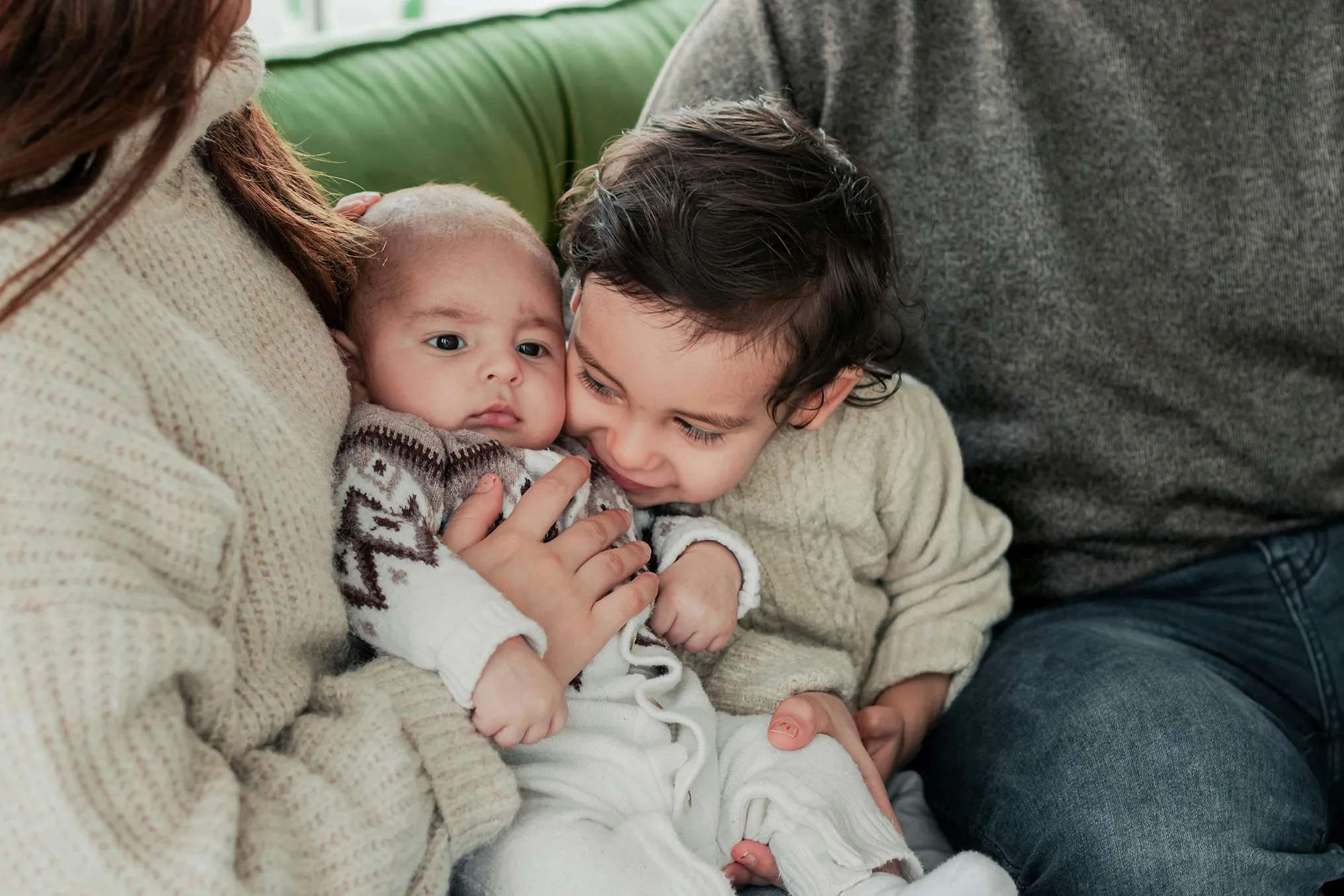
- Start with reassurance: When you first see your older child after the birth, try greeting them first with open arms and a hug before introducing the baby (beside you in a bassinet or held by another family member). This anchors their sense of security.
- Create a joyful moment: Celebrate the homecoming with something special — donuts, a birthday cake, or a “welcome baby” treat.
- Try a “gift from the baby”: A small toy, book, or “Big Sibling” shirt can create an immediate positive connection.
- Frame it as a family milestone: Help your child see this as their big moment too — not just the baby’s arrival.

Navigate the early weeks with care
- Create “big kid” time: While mom is recovering and bonding, let dad or a grandparent plan simple special time or outings — park trips, movie time, or ice cream runs — that feel exciting and set apart.
- Lean on your village: Invite close extended family members or friends to give extra attention to your older children so they feel seen and celebrated while you’re changing diapers.
- Prioritize small moments: Even 10 minutes of undivided attention — reading, coloring, or chatting while the baby naps — can refill a child’s emotional tank.
- Normalize the adjustment: Some jealousy or uncertainty is natural. Meet it with patience, not pressure.
- Avoid blaming the baby: Try not to frame delays as the baby’s fault. Instead of “I can’t play, I’m feeding the baby,” try “Yes, I’d love to play — I'll be right there when I’m done.” This keeps the baby from feeling like competition.
- Model patience with warmth: Your tone teaches your child how to respond to inconvenience — with love rather than frustration. Even when you’re busy, signal that your child still has access to you.

Build a family culture of belonging
- Give them a role: Let your child help in small, meaningful ways — grabbing diapers, picking outfits, or singing to the baby.
- Make them the “expert”: Encourage them to “teach” the baby — how to build, play, or read. This builds confidence and connection.
- Let them overhear praise: Say things like, “You are so lucky, baby — you have the kindest big sister.” These moments shape identity.
- Celebrate teamwork: Reinforce that your family is a team, and every member has a unique and important role.
Keep the bigger vision in mind
- Love multiplies: Remind your children, and yourself, that love is not divided by a new baby. It grows.
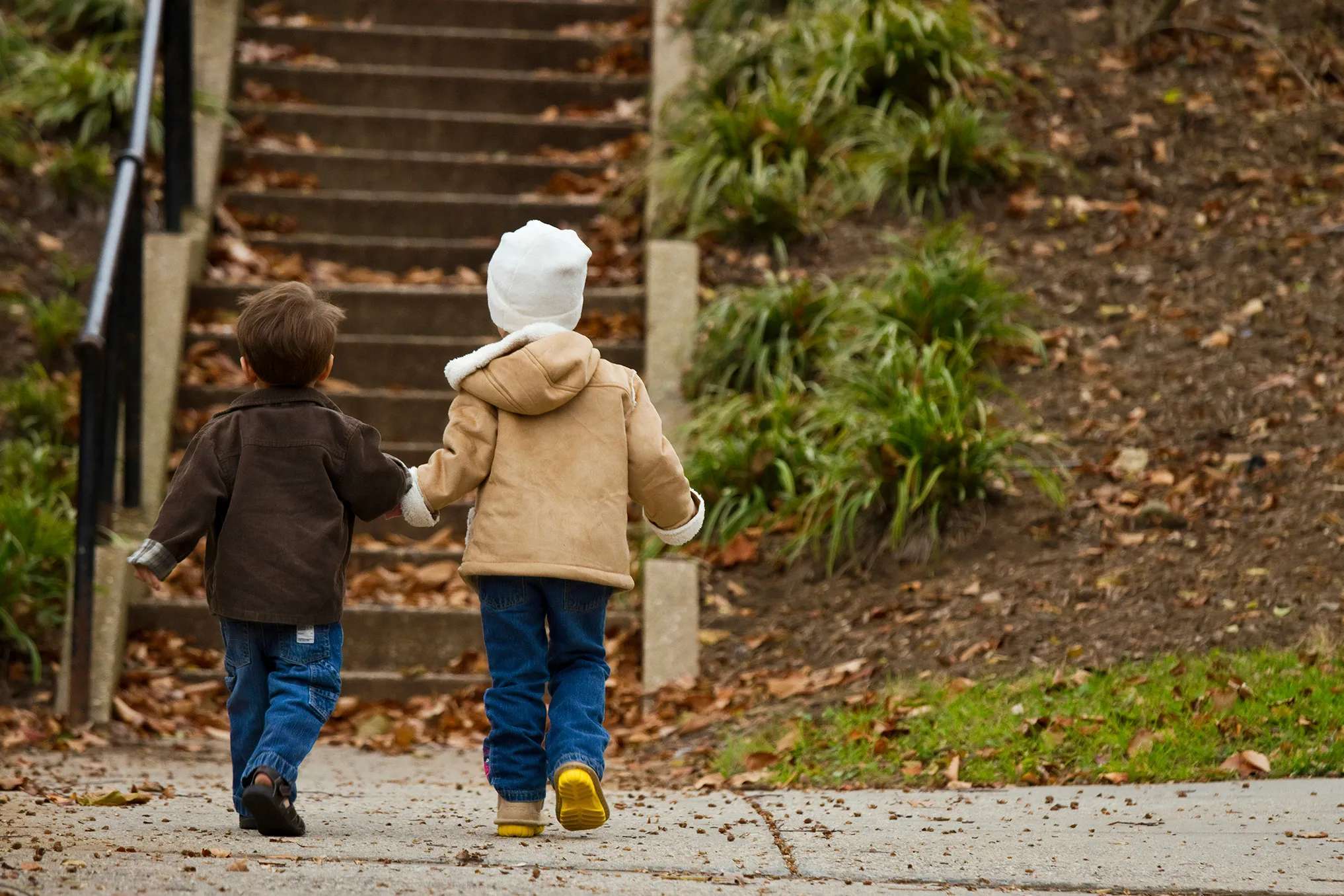
- Focus on the long-term bond: You’re not just managing a transition; you’re nurturing a lifelong friendship.
- Model joyful service: When children see love lived out with patience and generosity, they learn to do the same.
Welcoming a new sibling is a beautiful, sometimes stretching season, but it is also a deeply formative one. With joy, preparation, and intentional connection, your children will adjust to each other and grow together.
And in the process, you’ll give them one of life’s greatest gifts: each other.










Comments