Relive the startling events of 1227 when an unbeliever issued an unusual challenge to St. Anthony of Padua.
Transcript
Read the full transcriptAuto-generated · 545 words
Today, I am taking you back to 1227, to a small city on the Adriatic coast of Italy, Rimini. Nestled in the region of Emilia-Romagna, about three hours south of Venice, and just a short drive from Florence, Rimini is a seaside town, today known for its beaches and Renaissance heritage.
But in the Middle Ages, it was a very different place, fortified, devout, and deeply rooted in religious life. It was here that one of the most extraordinary and curious episodes in Catholic history took place, a challenge of faith involving a holy man, a sceptical heretic, and a hungry mule.
Picture the scene. A regular day in Piazza Grande, what is now known as Piazza Tre Martiri, in the heart of medieval Remini. A noisy, eager crowd gathers, a mix of the faithful and the doubtful. There's a buzz of anticipation in the air. At the center stand two men. On one side, St. Anthony of Padua, one of the most beloved and venerated saints in Catholic tradition. On the other, a man named Bonovillo, a Cathar heretic, someone who openly rejected the Church's teachings, especially the doctrine of the real presence of Christ in the Eucharist.
And then, Bonovillo issues a challenge, not to a debate, but to a miracle. Friar, he says boldly to St. Anthony, I say this in front of everyone. I will believe in the Eucharist if my mule, which I will starve for three days, chooses to eat the consecrated host you offer, rather than the fodder I will place before her. If you can prove, through this miracle, that Christ is truly present in the Eucharist, then I will convert to the Catholic faith.
St. Anthony, calm and unwavering, accepts. Three days later, the square is packed, word has spread, and people have come from all around to witness what could be a miraculous moment, or a humiliating failure. Bonavillo brings the mule, clearly famished and restless.
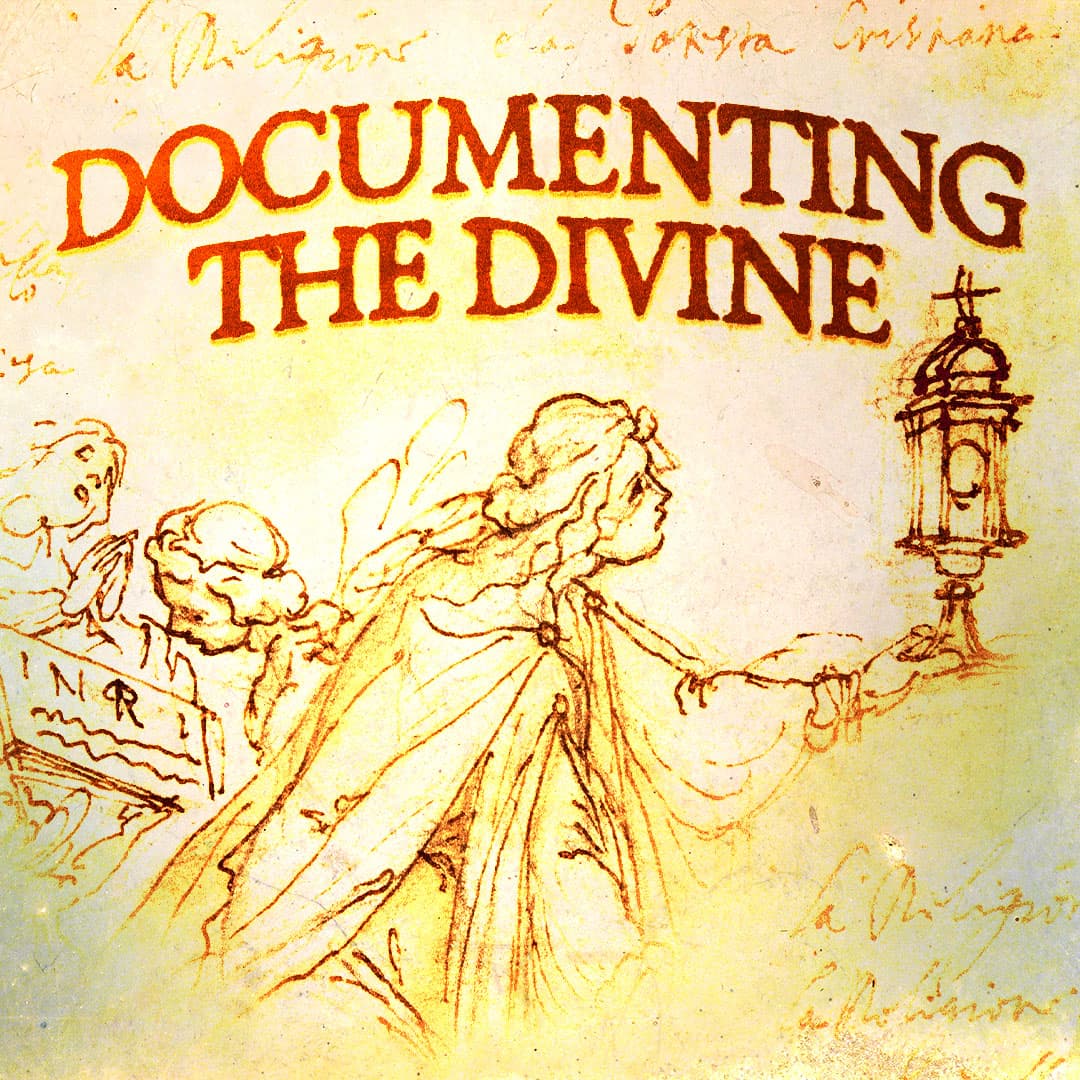
St. Anthony steps forward, holding a golden monstrance with the consecrated host. The crowd goes silent. The test is about to begin. Then, in a solemn voice, St. Anthony addresses the mule. In the name of your creator, he says, I command you to approach and pay homage to the Lord.
The mule pauses. She looks at the pile of fodder laid before her. Then slowly, she turns towards St. Anthony, and in front of the entire crowd, she says, She kneels, front legs bent, head lowered, a gesture of reverence, not instinct.
The crowd erupts in awe. Buonavillo, overwhelmed, falls to his knees. He renounces his beliefs and asks to be received into the Catholic faith. What was meant to be a public humiliation for St. Anthony became instead a powerful testimony of faith, one that echoes through the centuries. Even today, in modern Rimini, you can visit a small chapel known as the Tempietto di Sant'Antonio. Built on the very spot where this miracle is believed to have occurred.
Whether you're a believer, or just a lover of strange and powerful stories, the miracle of the mule invites us to ask, what compels even the simplest creature to act in a way that transcends nature? Is it faith? Is it mystery? Or something far beyond our understanding?