Known as the tomb of martyrs and popes, this phenomenal place which includes the crypt of St. Cecilia is named for a man who rose from slave to Pope.
Transcript
Read the full transcriptAuto-generated · 492 words
Today, we're heading into one of the most important and fascinating catacombs in Rome, the Catacomb of San Calixtus. Here, history, faith, and a touch of mystery all come together. San Calixtus isn't just another catacomb. It's the beating heart of underground Christian Rome.
Imagine walking along the Appian Way, with its pines and ancient ruins, then descending into a maze of narrow tunnels lined with thousands of burial niches. That's San Calixtus. But let's start at the beginning. The site is named after Calixtus, a man whose life reads like a novel. Once a slave, later the administrator of a Christian cemetery, and eventually Pope.
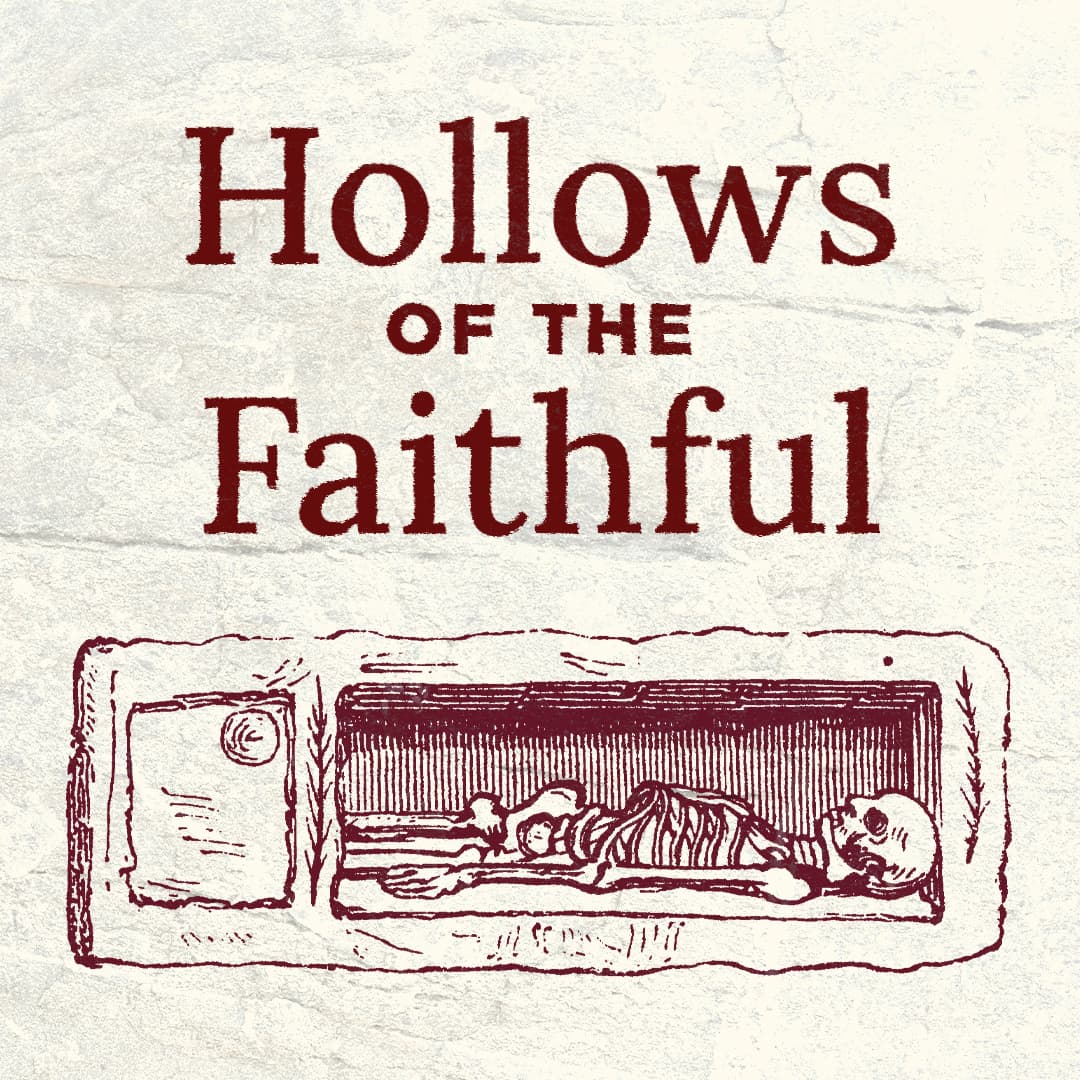
The catacomb was established in the 3rd century AD to host the growing Christian community's burials. This place became especially important because it housed the tombs of martyrs and popes. One area, known as the Crypt of the Popes, contains the graves of nine popes and several bishops. Their inscriptions are striking in their simplicity. Brief messages of faith carved into stone to speak to future generations.
Interestingly, the first pope buried here wasn't Calixtus, but Antares, in 236 AD. Calixtus himself was buried elsewhere, in the catacomb of Calipodius on the Via Aurelia. These details remind us how intertwined the early Christian story is with these sacred underground spaces. The crypt of the popes soon became a kind of shrine. In the 4th century, Pope Damasus, famous for promoting the cult of the martyrs, had elegant verses engraved here by the skilled calligrapher Philokalos. It was an act of devotion, but also a powerful statement about the strength of the early church.
Just nearby is another treasure, the crypt of Saint Cecilia, the patron saint of music. According to tradition, she was a young Roman martyr whose body was laid to rest here. The crypt houses a moving statue of her by Stefano Maderno, sculpted in the 1600s, showing Cecilia lying peacefully even in death. San Calixtus is also known for its frescoes.
One of the most iconic is the Good Shepherd, Christ carrying a sheep on his shoulders, a gentle symbol of protection and eternal life. It's a surprisingly tender image in a place of tombs, but for early Christians, it represented hope. Navigating this underground labyrinth wasn't easy. Early Christians carved crosses and other symbols into the walls to mark important paths and graves. In its prime, the catacombs stretched for nearly 12 miles, so these markings were essential.
But don't picture the catacombs as dark and frightening. For early Christians, they were places of comfort and community. Yes, they were burial sites, but they were also spaces for prayer, remembrance, and celebration. Death wasn't the end. It was the beginning of something greater.
So, next time you think of a catacomb, don't imagine just a cold underground tunnel. Think of San Calixtus as a living community, a place where faith was shared, loved ones were remembered, and hope was stronger than fear.