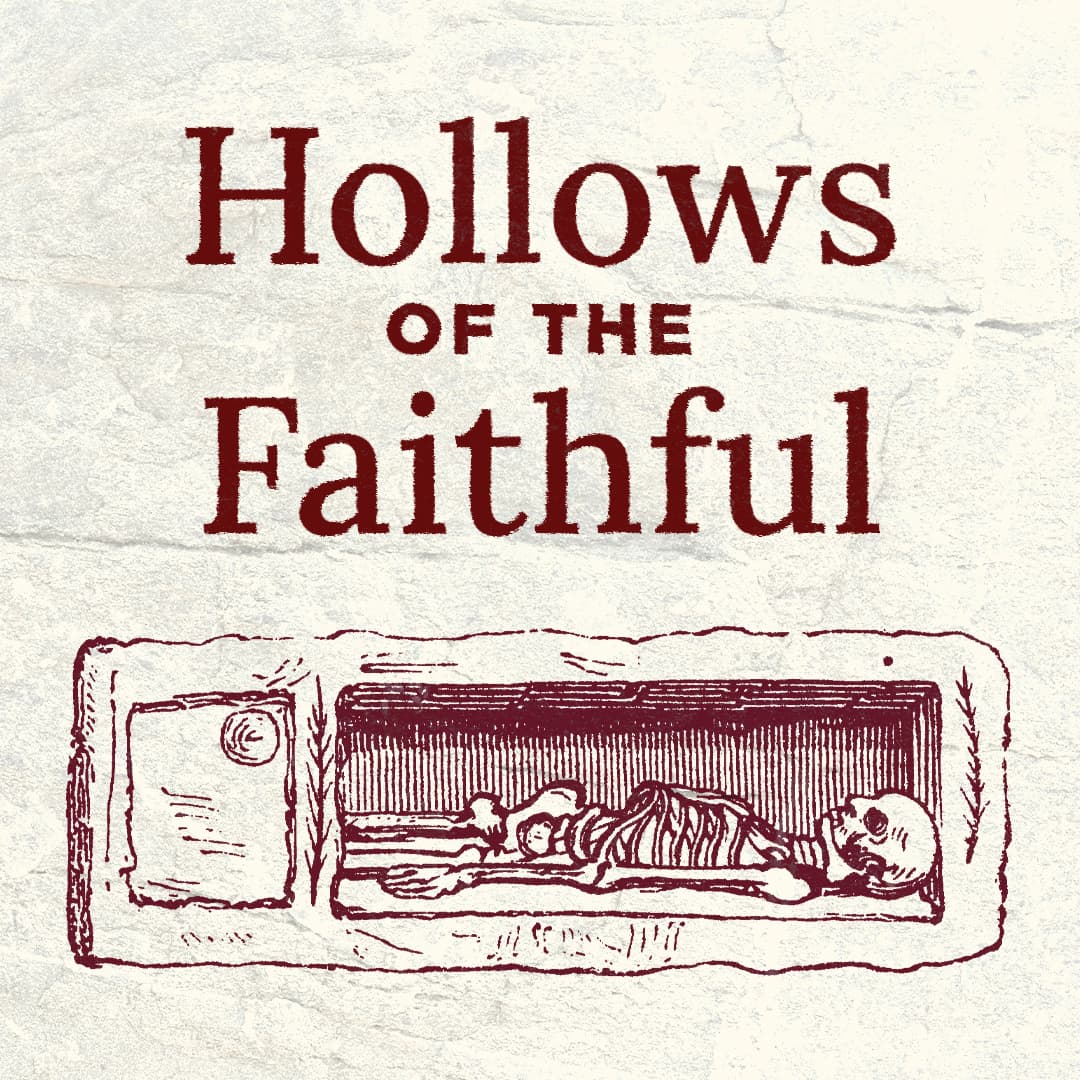
The catacombs were more than just cemeteries to the Christians of Rome. To visit them is experience places of prayer, remembrance of hope.
Transcript
Read the full transcriptAuto-generated · 501 words
Today, we're heading inside the Roman catacombs to discover not just what they were, but what they meant to the people who created them. These underground spaces were more than burial sites. They were places of faith, community, and memory. For the early Christians, the catacombs were a powerful symbol of identity. In a world where openly practicing their faith could be dangerous, these tunnels offered a safe place to honor the dead and celebrate the hope of resurrection. Picture this. It's the 3rd century AD.
A small Christian community walks into the dim tunnels with oil lamps, singing hymns and praying. There's no fear, just a sense of unity and peace. For them, the dead weren't gone, they were alive in Christ. That deep belief in eternal life turned these underground cemeteries into places of hope. So, what exactly happened inside the catacombs? Most of the activity revolved around burial. The common graves, called loculi, were simple niches carved into the walls and sealed with marble or terracotta.
Wealthier families used cubicula, small rooms decorated with frescoes, like tiny private mausoleums where loved ones could return to pray. And speaking of frescoes, Christian art flourished here. One of the most common images is the Good Shepherd, Christ carrying a sheep on his shoulders, a symbol of care and protection.
The peacock represented immortality, and the fish was a secret code meaning Jesus Christ, Son of God, Savior. In the Catacomb of Priscilla, you can see frescoes depicting stories like the resurrection of Lazarus or the sacrifice of Isaac. These images weren't just decoration, they were a way to teach and strengthen the faith of people who often couldn't read.
It's also important to remember that the catacombs didn't appear out of nowhere. Pagans used underground cemeteries before Christians did, and Roman artistic influence is everywhere. Garden motifs, pastoral scenes, and patterns inspired by villa decorations. It's a beautiful example of cultural blending, even beneath the earth.
There's also a fascinating tradition. Early Christians sometimes celebrated the Eucharist in the catacombs, especially on the anniversary of a martyr's death. Imagine taking part in a sacred rite surrounded by the tombs of those who had died for their faith. An intense and emotional experience. And then there are the inscriptions. Each epitaph tells a story. Some are simple, in peace, while others feel incredibly personal.
One of the most touching reads, Pax Tibi, Anima Dulcis, meaning peace to you, sweet soul. A reminder that love and grief haven't changed in nearly 1,700 years. Finally, what surprises many visitors is how organized the catacombs were. They weren't random tunnels. They had clear layouts, main and secondary corridors, crossroads, even markings to help visitors find their way. Some symbols indicated the tombs of important figures, a kind of ancient navigation system. In the end, the catacombs were much more than burial grounds. They were places of prayer, remembrance, and hope. Every niche, every fresco, every inscription tells a story of life, faith, and community.