Learn where the underground cemeteries of Rome got their name and why they exist, while looking into some of the myths these sacred hollows have inspired.
Transcript
Read the full transcriptAuto-generated · 411 words
Today, we're diving into a topic that fascinates millions, the catacombs of Rome, those endless underground tunnels filled with history, legends, and mystery. So, what exactly are the catacombs? Simply put, they're underground cemeteries. And no, they weren't built as secret hideouts for persecuted Christians. That's one of the most common myths. In the 2nd century AD, Rome was already overcrowded, and burial land was expensive.
Digging underground was cheaper, and the soft volcanic tuff made the job easy. One of the first major Christian cemeteries was the Catacomb of Calixtus on the Appian Way, created by the deacon Calixtus, who later became pope. At the beginning, these spaces were small, often private, used by families or small communities. But why are they called catacombs?
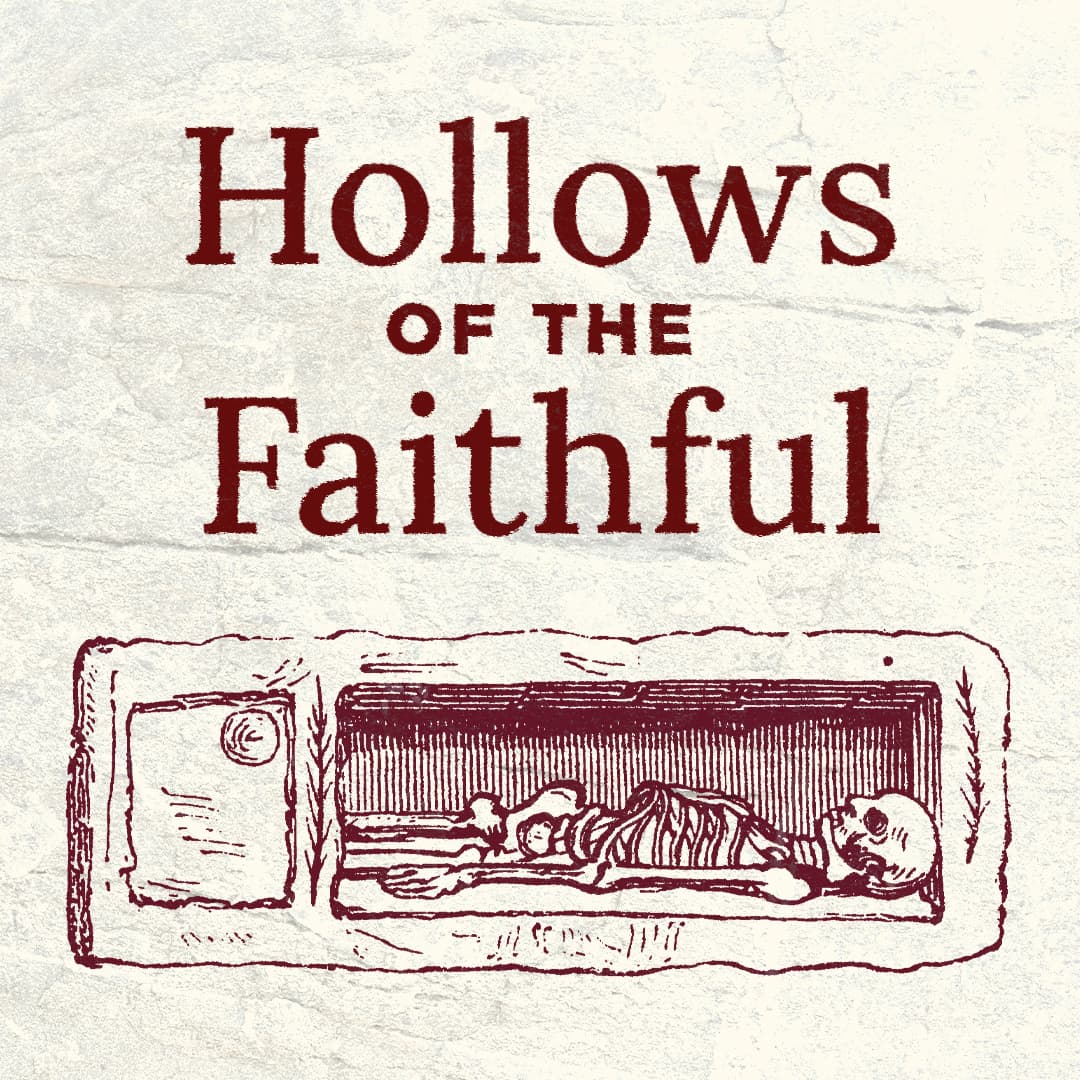
The word comes from an old quarry near the site of St. Sebastian, known as Ad Catacumbas, meaning near the hollows. Over time, the term came to describe all underground cemeteries in Rome. Speaking of St. Sebastian, here's a fun medieval legend. People believed all catacombs were connected by tunnels that stretched all the way to Ostia, or even the Tiber River, like an ancient subway system. Completely false, of course, but understandable if you've ever been inside. It's incredibly easy to get lost.
Antonio Bossio, one of the first explorers in the 1500s, once wandered for hours in the catacomb of Domitilla before finding his way out. Let's go back to the Christians. The idea that they hid in the catacombs during persecutions isn't true. Roman authorities knew about these sites, and the humidity, around 95%, made them unlivable.
The catacombs were places of burial and remembrance, nothing more. Another long-lasting myth involves martyrs. For centuries, people believed almost every tomb belonged to a martyr identified by a small glass vial supposedly containing blood. In the 1600s, relic hunters searched the catacombs looking for these vials, which often contained something very different.
Beyond myths, the catacombs are extraordinary time capsules. Some of the earliest examples of Christian art are preserved here. In the Catacomb of Priscilla, there's even a fresco that may be the oldest known image of the Virgin Mary with the child Jesus.
Inscriptions show moments of love, grief, hope, and even humor. Yes, ancient Romans joked about death, too. And here's a modern curiosity. The Catacomb Network stretches for over 60 miles beneath Rome, but only a tiny portion is open to the public. The rest is still waiting to be explored.