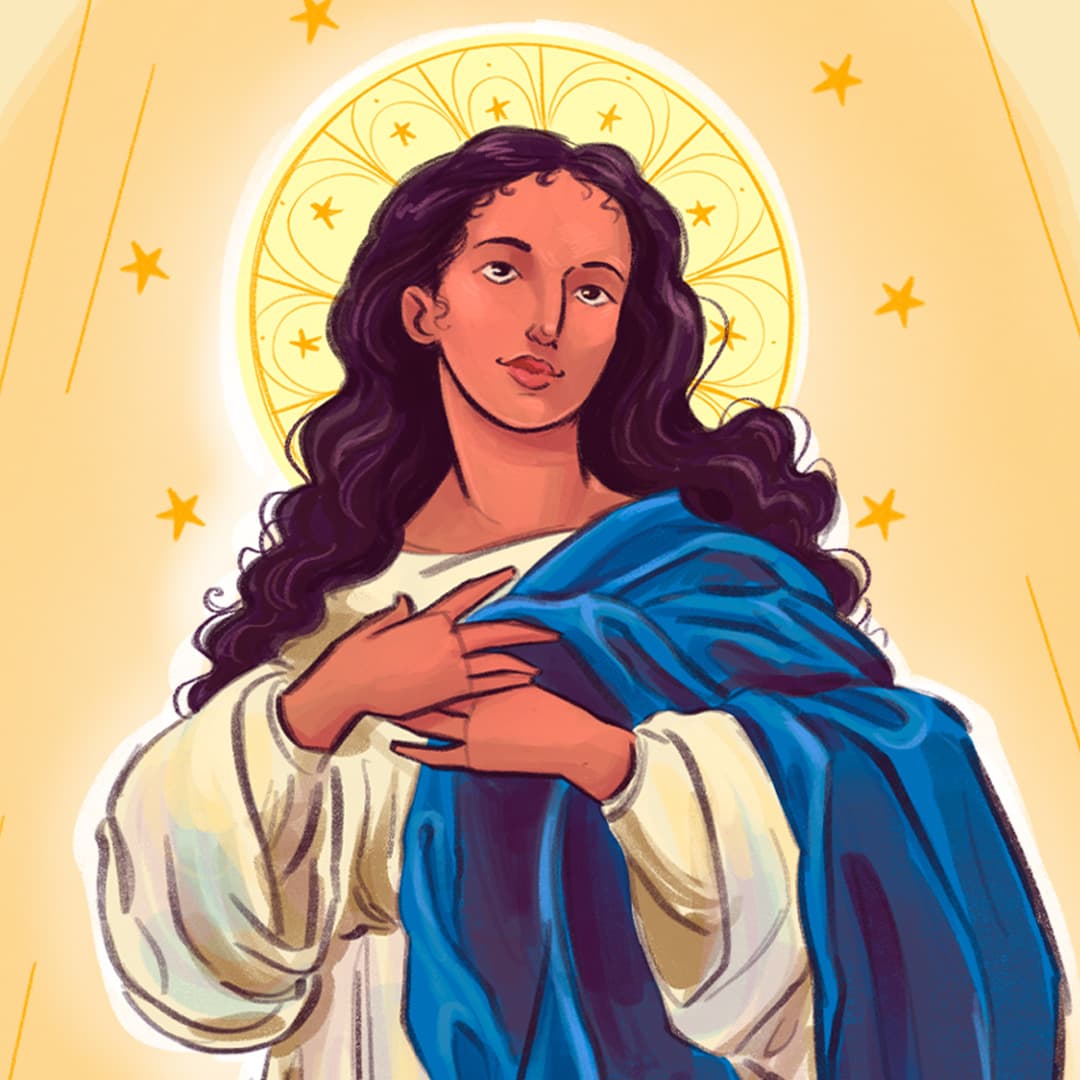
In this episode, we’ll explore the extraordinary story behind the Assumption of the Blessed Virgin Mary.
Transcript
Read the full transcriptAuto-generated · 825 words
Welcome, young history buffs and curious minds, to My Daily Saint, the podcast that digs deep into the incredible lives of the saints, those remarkable people who shaped history and continue to inspire us today. Forget dusty old portraits and boring stories. Today, we are talking about someone who isn't just a regular saint, but the absolute, ultimate VIP of the heavenly realm.
Close your eyes and picture this. You are standing in the ancient world, watching a mother endure the absolute worst agony imaginable. She is looking up at her own son as he hangs on a cross, feeling a literal sword of sorrow pierce her heart, a pain she miraculously escaped when giving birth to him, only to face it here at the very end. It is a moment of silence. It is a moment of silence. It is a moment of silence. It is a moment of silence.
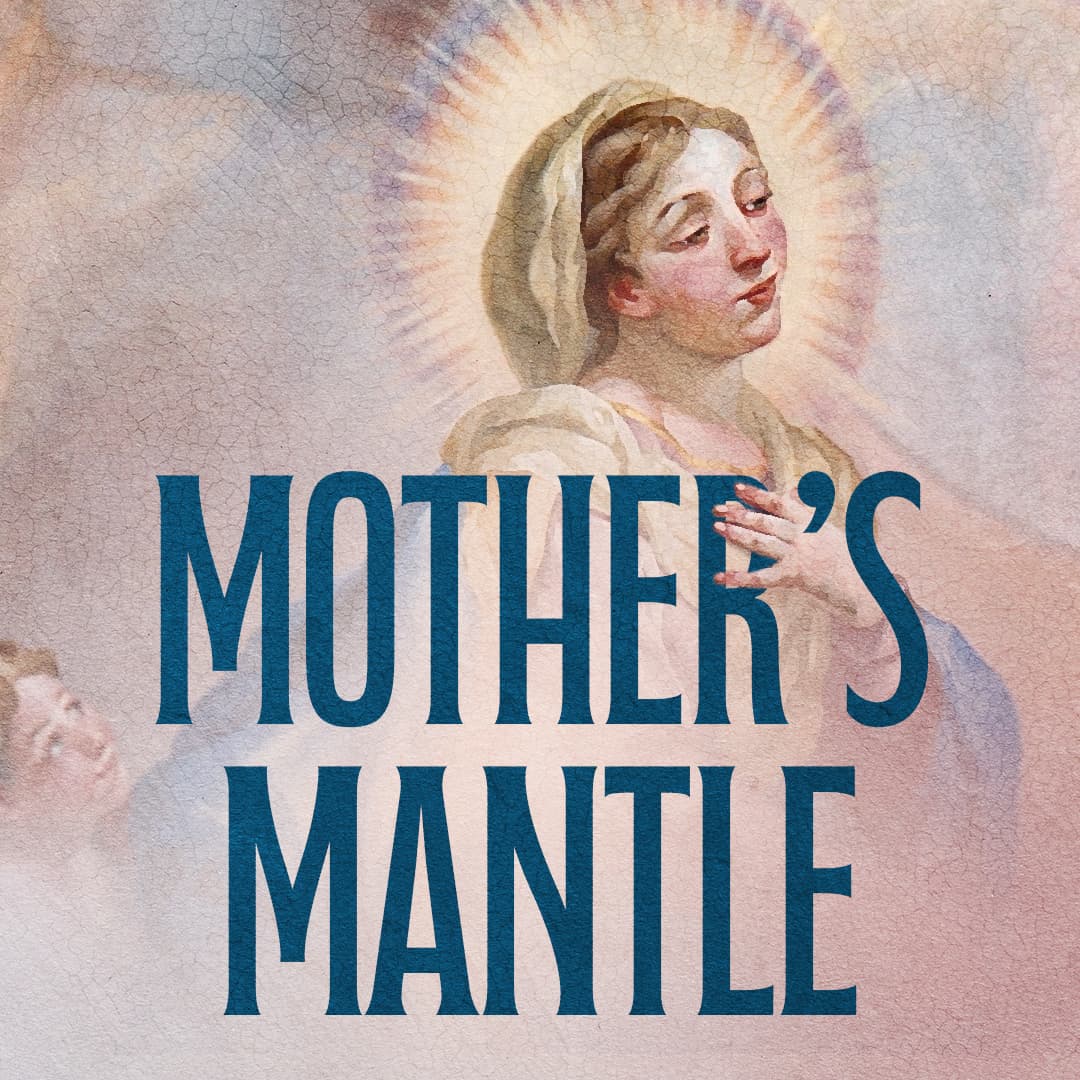
Total darkness and heartbreak. But wait, fast forward. Look up at the night sky. The darkness vanishes, and the sky rips open in a cosmic display of blazing glory. You see a terrifyingly beautiful figure, a woman who is literally clothed with the sun, with the moon under her feet, and on her head a crown of twelve stars. She is the Blessed Virgin Mary. The mother of God.
Today, we're unpacking one of the most incredible mysteries and celebrations surrounding Mary, the Feast of the Assumption. You definitely know the Christmas story, but the Assumption? The Assumption celebrates the belief that, at the end of her life on Earth, Mary didn't just pass away and leave her body behind in a tomb.
Instead, she experienced a complete bodily and spiritual passage straight from this world into heaven. Both her body and her soul were taken up into glory. But how do we know this happened? Interestingly enough, the Bible doesn't actually speak about the exact historical event of Mary's assumption into heaven. However, that description of the woman from the introduction, that description comes straight out of the book of Revelation, chapter 12, and is commonly believed by the church to be Mary herself.
For centuries, the idea that Mary's body and soul are in heaven has been a massive, long-standing tradition in the Catholic faith. It was so widely believed and celebrated that in the year 1950, Pope Pius XII officially decreed it as a dogma of the faith. A dogma basically means it is a definite, absolute truth that Catholics are required to believe.
So, why does this make sense? Pope Pius XII wrote a famous apostolic constitution about this called Munificentissimus Deus. In it, he quotes an awesome early church leader named Saint John of Damascus. Saint John laid out exactly why it made total sense for Mary to be assumed into heaven. Think about it like this. Mary was the one who carried the creator of the universe as a tiny child at her breast. She kept her physical body perfectly pure and her virginity intact. So, it was only fitting that she should keep her body completely free from all corruption after death.
You don't just let the most sacred vessel in history decay in the ground. It was fitting that she should dwell in divine tabernacles and live in divine mansions. St. John of Damascus also pointed out that because she suffered so intensely at the cross, it was only right that she should now get to look upon her son as he sits in absolute power with God the Father. As God's mother, she should possess what belongs to her son and be honored by absolutely every creature as the ultimate handmaid of God.
This apostolic constitution also names numerous other church fathers and ancient traditions that all totally agree on Mary's bodily assumption. Because of the incredibly special relationship Mary had with Christ on earth, it just makes perfect sense that she would be close to him in heaven as well. It's such a huge deal that the Feast of the Assumption is actually a holy day of obligation for all Catholics, meaning believers are required to go to Mass to celebrate it, just like we are required to go to Mass every Sunday.
Throughout her whole life, even when it led to that agonizing sword of sorrow, Mary considered herself the handmaid of God. That means she was God's willing servant and helper. She always said yes to what God asked of her. Your mission today is to find one way to be a helper of God in your own life.
By saying yes to the little things, you build up a special relationship with Christ on earth, just like Mary did. And as we learn today, staying close to Jesus on earth means staying close to Him in heaven. Thank you for joining us on My Daily Saint. We look forward to sharing another incredible story of faith and courage with you tomorrow.