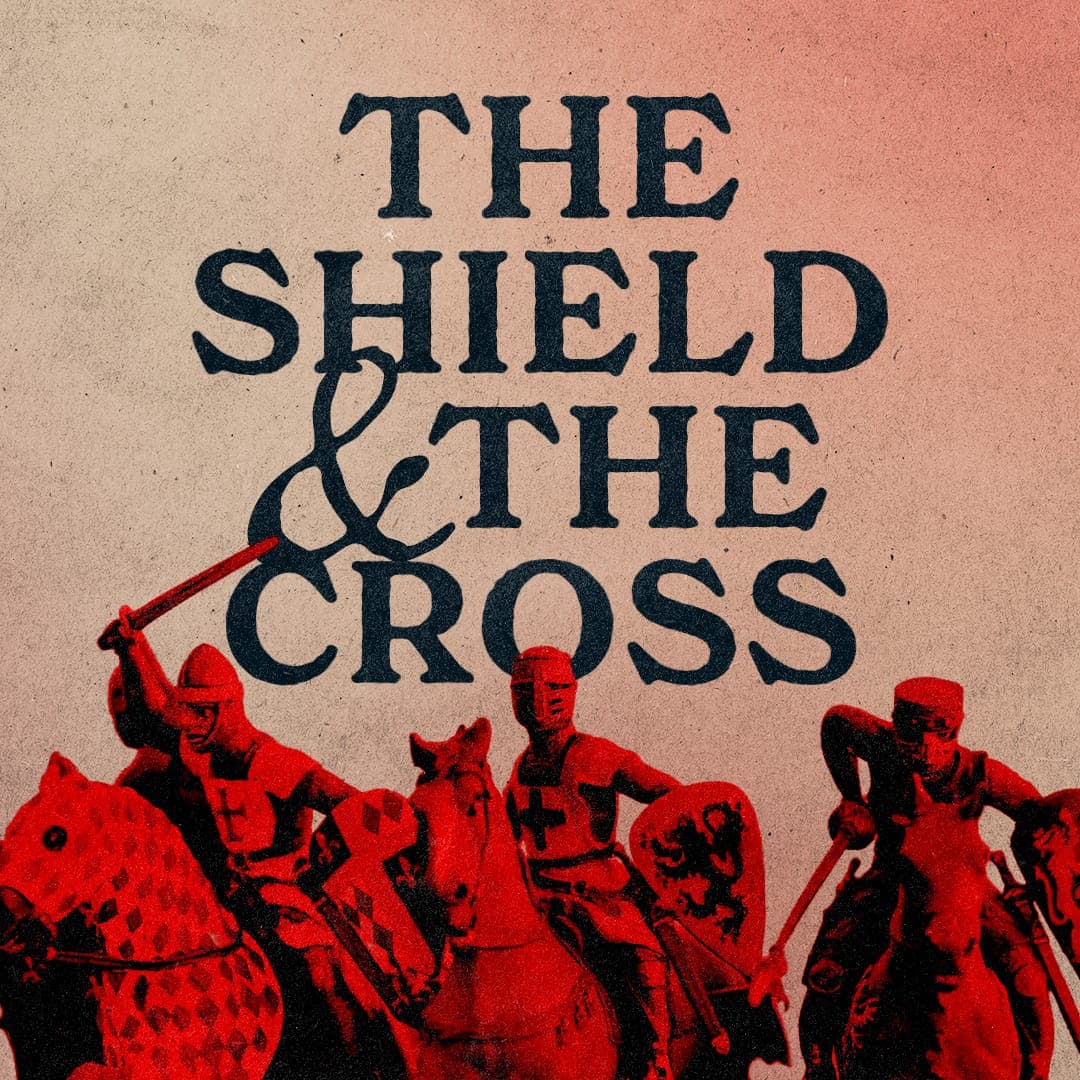
Women of Chivalry: The Genius of Courage
The historical face of knighthood may be a male face, but women played pivotal roles in the organizational world behind the fighting, even taking up the sword and distinguishing themselves in battle when necessity called them to arms.
Transcript
Read the full transcriptAuto-generated · 411 words
When you close your eyes and imagine a knight, you likely see a bearded man in heavy armor. But if you look closely between the folds of history, you will see white veils alongside crusader cloaks, and feminine hands holding both the rosary and, at times, the sword.
Chivalry was never just a boys' club. From its very origins, women played a vital role, not only as inspirations or wives, but as active members of the orders. They were elite nurses, administrators of vast estates, and, in exceptional cases, even defenders of the city walls. Today, we honor the dames of chivalry. As far back as the 12th century, a female branch of the order existed.
While the Brother Knights protected the borders, the Sisters managed the hospitals with an expertise we would today call healthcare management. Figures like St. Ubaldesca Taccini or Blessed Toscana were not mere spectators. They dedicated their entire lives to the sick, seeing in them the face of Christ. They wore the same eight-pointed cross as the Knights. They were the backbone of logistics and prayer, convinced that a battle is won as much in the silence of charity as it is on the field. Without these women, the knightly orders would have collapsed under the weight of their own wounds.
But there were moments when women had to take up the sword themselves. In 1149, the Spanish city of Tortosa was under siege. The men were all away at the front, and the city seemed lost. It was then that the women of the city donned men's clothing and fought with such ferocity upon the walls that they repelled the enemy army. To thank them, the Count of Barcelona created a knightly order unique in the world, the Order of the Hatchet, L'Ordine della Scure.
These women were granted all the privileges of male knights. They paid no taxes and were given precedence in public ceremonies. They didn't seek glory, they sought to protect their families and their faith. It is proof that chivalric courage does not reside in muscle, but in the heart.
Today, in orders such as the Order of Malta, or the Order of the Holy Sepulchre, dames hold roles of the highest responsibility. They are lawyers, doctors, diplomats, and mothers who carry the spirit of chivalry into the modern structures of society. They remind us that the protection of life, the central mission of chivalry, has always had a maternal root.
More from The Shield and the Cross
Listen Next


You Might Also Like
Magnifica Humanitas: An Inside Look
An American Pope
A Blessing for America on the 250th Anniversary of Independence
The Virtue of Patriotism

Confirmed: Obamacare Plans Cover Abortion
The Morning LOOPcast

AI Execs Do 180: Beg for Regulation, Viral Texas Indians Pic, And CatholicVote Political Director On Ground Game
LOOPcast