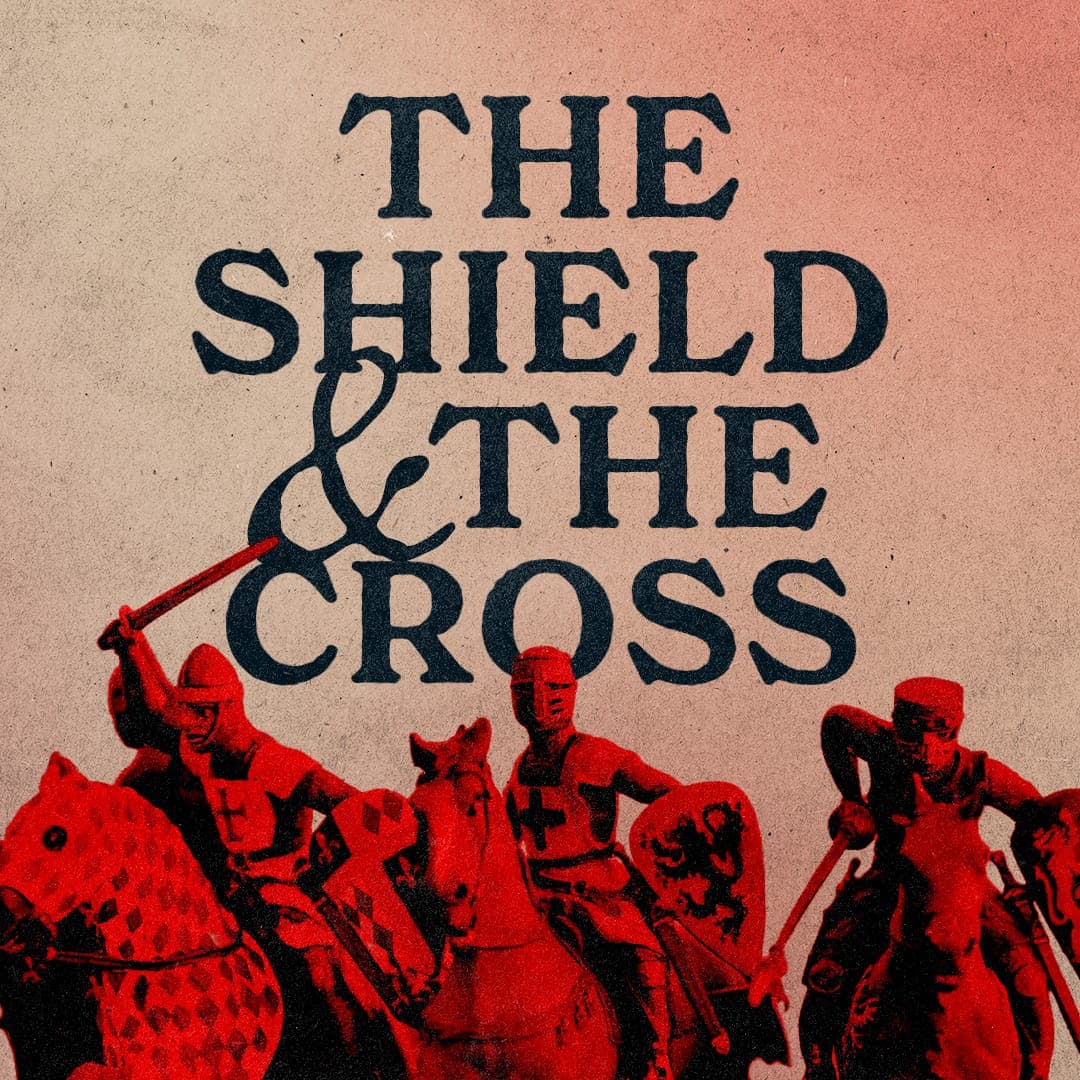
The Order of Saint Lazarus: The Knights of Suffering
Knights of old who contracted the feared disease of leprosy didn’t lose their vocations. They became part of an astounding brotherhood that fought with no fear of death.
Transcript
Read the full transcriptAuto-generated · 369 words
Imagine a knight advancing on the battlefield. His face is marked by a disease that the world fears more than death itself, leprosy. But instead of hiding away, he rides proudly under a green cross. This is the story of the Knights of St. Lazarus, born outside the walls of Jerusalem in an ancient leper colony. For centuries, this order represented the last hope for warriors struck by leprosy.
Today, we discover how suffering can transform into the purest form of heroism, and how this ancient order lives on today in one of the most noble traditions of the House of Savoy. It all began around the year 1100. Leprosy was considered a curse, but for the Crusaders, it became a spiritual challenge.
There was a strict ironclad rule. If a knight Templar or a Hospitaller contracted the disease, he had to leave his order and join the brothers of St. Lazarus. These men, known as the Micelli, the poor afflicted, did not hang up their swords.
They formed a unique military corps, where healthy and sick knights served side by side. They were formidable warriors because, having already lost everything in the eyes of the world, they no longer feared death. They fought for the glory of God with a determination that left even their enemies astonished.
After the fall of Acre in 1291, where the Knights of St. Lazarus fought to the last man, the order moved to Europe. In France and Italy, their mission of care continued, but history was about to grant them a new destiny. In 1572, the Pope merged the Italian branch of St. Lazarus with the Order of St. Maurice. Thus, the Order of Saints Maurice and Lazarus was born. It became the heart of the nobility and charity of the House of Savoy.
The green cross of St. Lazarus intertwined with the white cross of St. Maurice, creating a symbol of medical assistance and chivalric honor that has crossed centuries, reaching us today. But chivalry also knew how to look toward the horizon of the sea.
In the next episode, we will leave the hospital walls to board the ships of the masters of the sea, the Knights of St. Stephen.
More from The Shield and the Cross
Listen Next


You Might Also Like

Magnifica Humanitas: An Inside Look
An American Pope
A Blessing for America on the 250th Anniversary of Independence
The Virtue of Patriotism

Confirmed: Obamacare Plans Cover Abortion
The Morning LOOPcast

AI Execs Do 180: Beg for Regulation, Viral Texas Indians Pic, And CatholicVote Political Director On Ground Game
LOOPcast