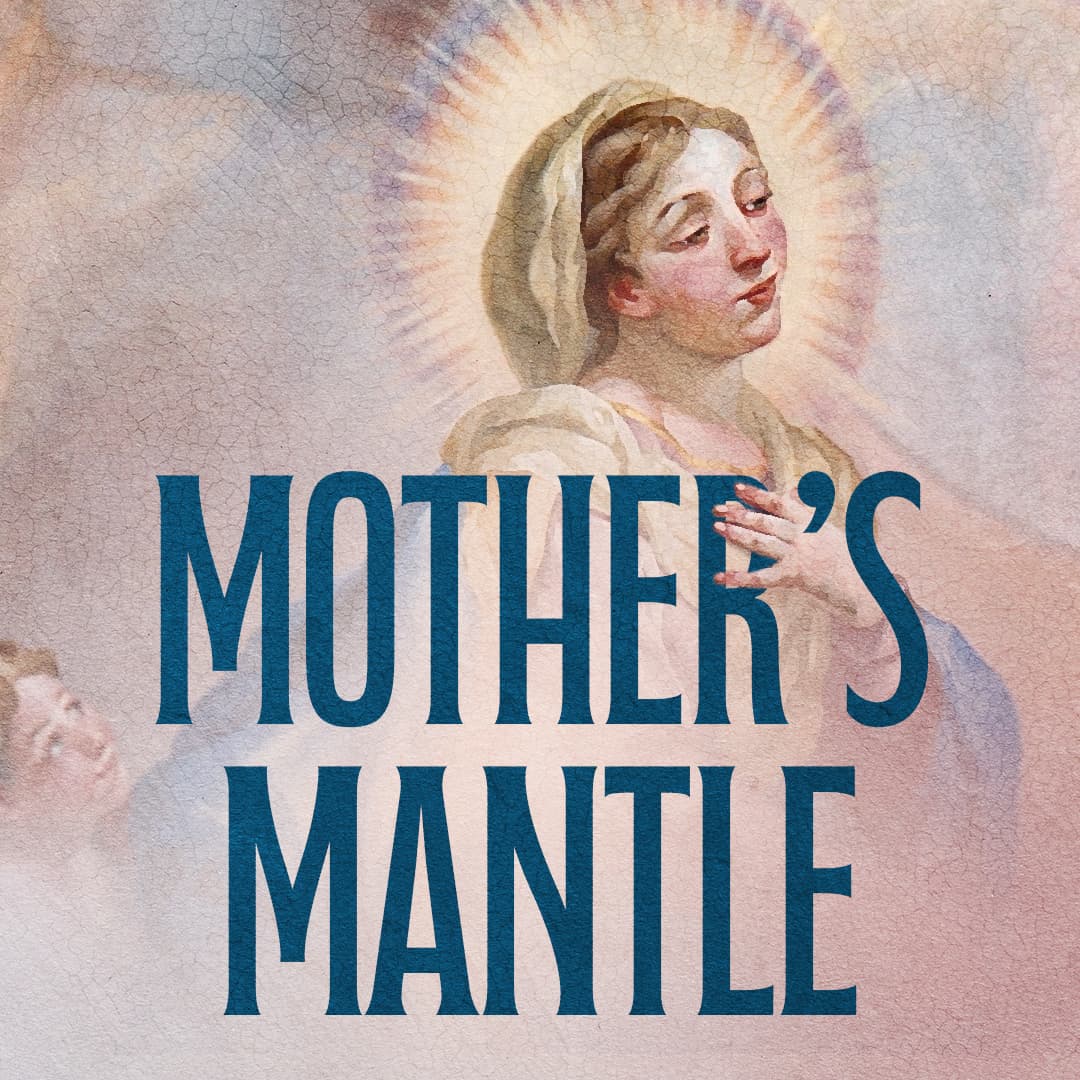
In 1930s Belgium, poverty was taking a toll on the faith of suffering people when a luminous lady, calling herself the Virgin of the Poor, appeared several times to 11-year-old Marietta Beco. The healing, strength, and resilience inspired by those apparitions are still celebrated today in the Belgian village of Banneux.
Transcript
Read the full transcriptAuto-generated · 387 words
In early 1933, Belgium, like the rest of Europe, was suffering the heavy blowback of the Great Depression. Unemployment and extreme poverty were hitting the working classes hard, generating social tension, exasperation, and a gradual detachment from institutions, including religious ones.
The events of Banau, a small rural village, took place within this climate of profound material hardship and disillusionment. Here lived the Beko family, an emblem of the kind of extreme poverty that often led to alienation and a radical rejection of spirituality. The father of the family, worn down by daily struggles, openly manifested his hostility toward religion.
It is precisely in this context of marginalization that 11-year-old Mariette Beko became the protagonist of a mystical experience capable of sharply contrasting the dynamics of social isolation of the era. In her home's garden, immersed in the winter frost, Mariette reported the apparition of a luminous figure, smiling at her.
The lady did not present herself with complex theological titles, but simply defined herself as the Virgin of the Poor. She invited the young girl to follow her toward a small spring of water located nearby, declaring that this spring was reserved for all nations, with the specific purpose of bringing relief to the sick and suffering. During one of these encounters, a gesture of strong symbolic value took place.
Mariette completely submerged her rosary in the water of the spring. In the theological re-reading of these events, this act underscores the profound Christological nature of the apparition, indicating that Marian devotion is an instrument meant to be totally immersed in the grace of Christ.
The legacy of Bonneau is not built on promises of economic redemption, or miraculous solutions to material crises, but on an essential phrase spoken to the visionary, I will pray for you. This message has transformed the site into an international point of reference for healthcare assistance and the welcoming of the sick.
Historically, the apparition stands as a direct response to the social breakdown of those years, reaffirming the intrinsic dignity of the most disadvantaged classes. Rather than offering an escape from reality, the event of Bonneau catalyzed a vast movement of solidarity, demonstrating how the spiritual dimension can intercept the human need for care and become an engine of resilience, restoring value to those on the margins of society.