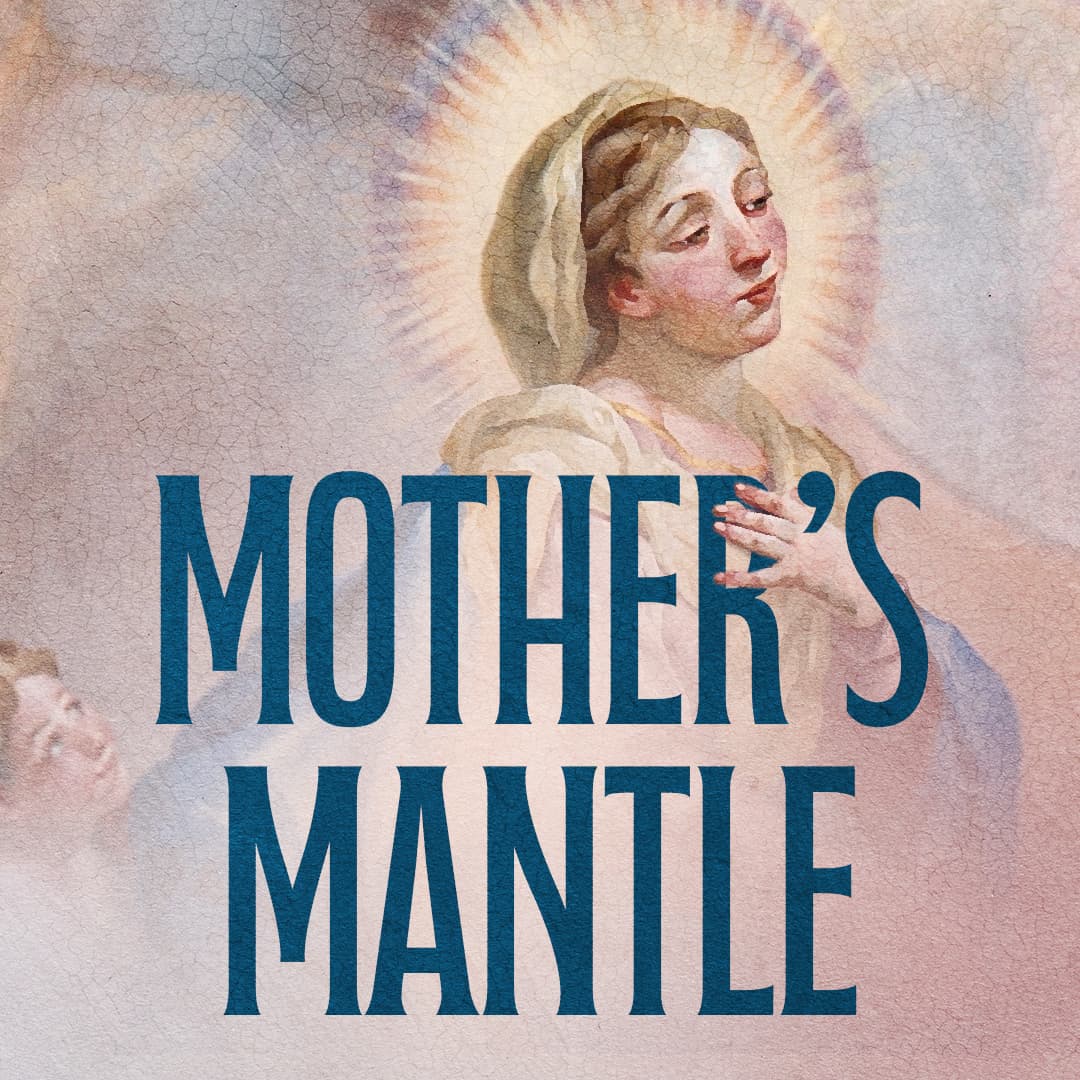
The amazing mystical experiences of three uneducated Portuguese children in 1917 have become a source of global fascination as millions worldwide have sought comfort and the answer to war and strife in the Immaculate Heart of Our Lady of Fatima.
Transcript
Read the full transcriptAuto-generated · 419 words
In 1917, while Europe was torn apart by the carnage of the First World War, and Portugal was going through a phase of severe political instability marked by fierce Republican anti-clericalism, the remote countryside of Estre Madura became the focal point of one of the most complex religious phenomena of the modern era. At the Cova da Iria, a pasture area near the village of Fatima, Three illiterate shepherds, Lucia, Francisco, and Jacinta, reported a series of mystical experiences destined to become deeply intertwined with the geopolitical and spiritual crises of the 20th century.
The event was not limited to a local devotional appeal, but rapidly took on a global dimension, intersecting with the anguish of a civil society faced with the abyss of total war. On May 13, the three children recounted seeing two bright flashes of light, followed by the apparition, over a small Holm oak, of a female figure dressed in white.
She was described as brighter than the sun, with her hands joined in prayer and a rosary in her right hand. The central request made to the visionaries was rigorous. To return to that spot for six consecutive months, on the thirteenth day at the same hour, offering themselves to endure suffering as an act of reparation for sins, and praying the rosary daily to obtain the end of the armed conflict.
Accounts of subsequent visions included dramatic scenarios aimed at shaking consciences, from the famous vision of hell, to what would become known as the third secret. A narrative describing bloody persecutions and a grave crisis within the structure of the church, symbolized by the figure of a bishop dressed in white, falling to the ground, struck down amid the ruins of a city. Over the decades, the legacy of Fatima has taken shape as a complex re-reading of contemporary history.
The promise of a refuge in the Immaculate Heart and the subsequent establishment of the reparatory practice of the first five Saturdays of the month do not stand as a simple, consolatory escape, but rather as the affirmation of an inner resistance against the destructive trends of the century.
Historically, the message of Fatima has offered a key to decoding historical evil, emphasizing how ethical choices, individual commitment, and constancy in prayer can impact collective scenarios. More than an inevitable prediction of misfortune, the core of these events has solidified as a warning to human responsibility. Proposing the prospect of a final regeneration capable of overcoming the deepest social and institutional fractures.