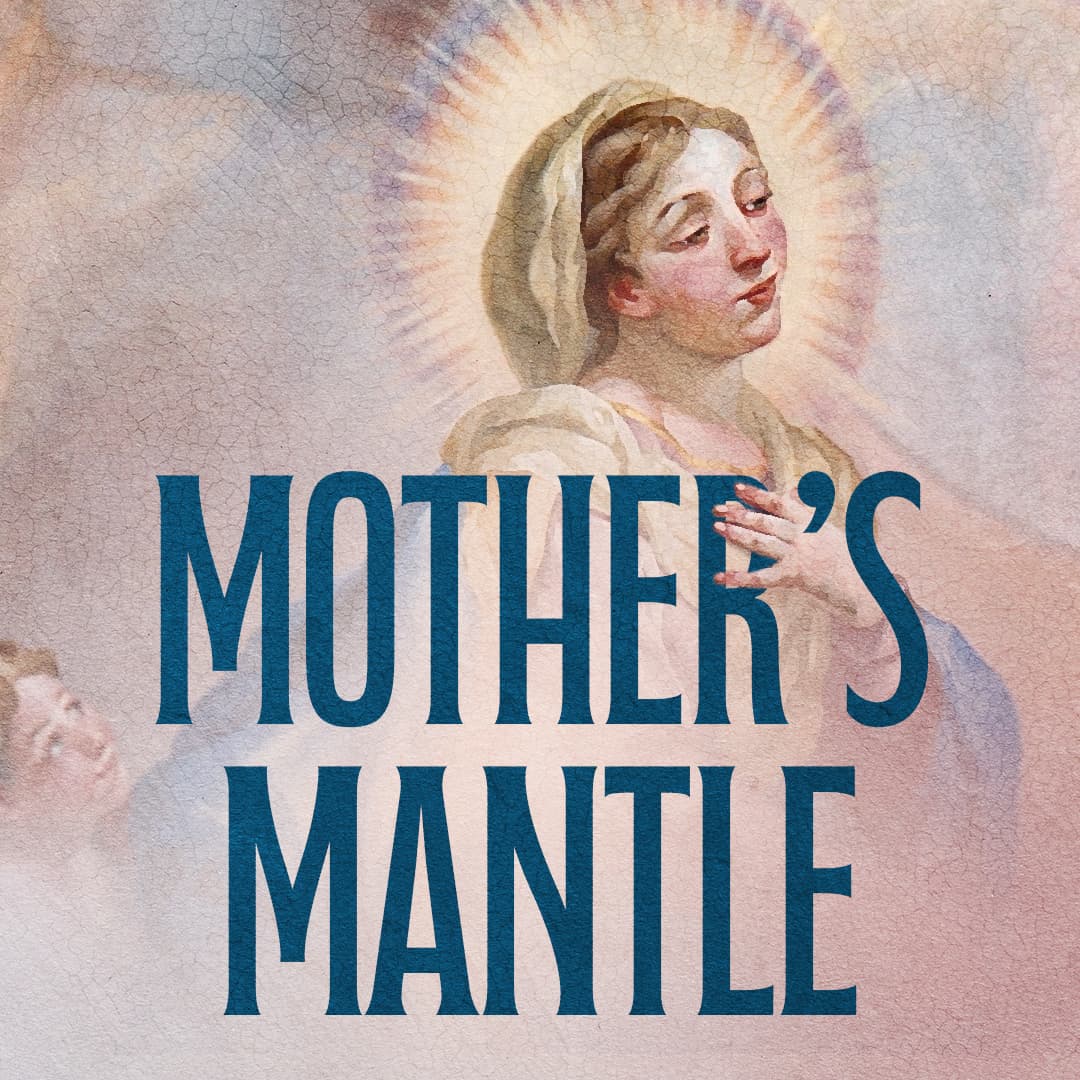
In 1858, an unassuming French girl named Bernadette Soubirous was chosen as the one through whom Our Lady would affirm the dignity of rich and poor alike, while reminding a world focused on science and reason that God operates on a level we cannot begin to comprehend.
Transcript
Read the full transcriptAuto-generated · 445 words
In 1858, Second Empire France was experiencing a phase of industrial acceleration and a profound faith in scientific progress. In this climate of growing positivism, where reason seemed destined to explain every aspect of existence, an event at the foot of the Pyrenees shifted the world's attention to the small town of Lourdes. The social reality of the area was marked by extreme poverty, and the figure of Bernadette Subaru, an illiterate, frail 14-year-old girl, represented the most marginalized strata of the population. The phenomenon that began on February 11th was not just a religious event, but one that intercepted the tensions between a burgeoning modernity and the persistence of the sacred in a rapidly changing world.
Bernadette reported hearing a sound like a gust of wind while gathering firewood near the grotto of Massabielle. In a hollow of the rock, a female figure enveloped in light appeared, dressed in white with a blue sash and golden roses on her feet.
Over the course of 18 encounters, the figure explicitly called for prayer and personal penance for the conversion of sinners, pointing to the recitation of the rosary as the privileged path of spiritual connection. During the apparitions, physical signs manifested that drew growing crowds. The discovery of a spring of water in a previously arid spot, and the documented healing of a stonemason who regained his sight after washing his eyes with that water.
On one specific occasion, Bernadette remained in ecstasy for over 15 minutes while the flame of a candle engulfed her fingers without causing any burns, a phenomenon also observed by doctors present at the scene. The climax of the experience occurred on March 25th, when the Lady revealed her identity by declaring, I am the Immaculate Conception, confirming on a mystical level a dogma that the Church had officially proclaimed just four years earlier.
The legacy of Lourdes has solidified over time as a model of response to human suffering, transforming a place of marginality into one of the world's major centers of pilgrimage. Historically, the event offered a synthesis between the need for physical healing and the necessity of inner rebirth, focusing attention on the care of the whole person.
More than a purely devotional narrative, the case of Lourdes is analyzed as a moment in which the dignity of the individual, starting from the humblest conditions, is reaffirmed in the face of the logics of power and science of the time.
Today, this place remains a focal point for reflection on human limits and the search for meaning that goes beyond pure empirical observation, influencing contemporary culture through the universal language of solidarity with the sick and resilience.