Explore the origin and impact of the Miraculous Medal as religious novice, Catherine Laboure, is gifted the vision of an emblem that transcended the word of faith and captured the attention of society at large.
Transcript
Read the full transcriptAuto-generated · 373 words
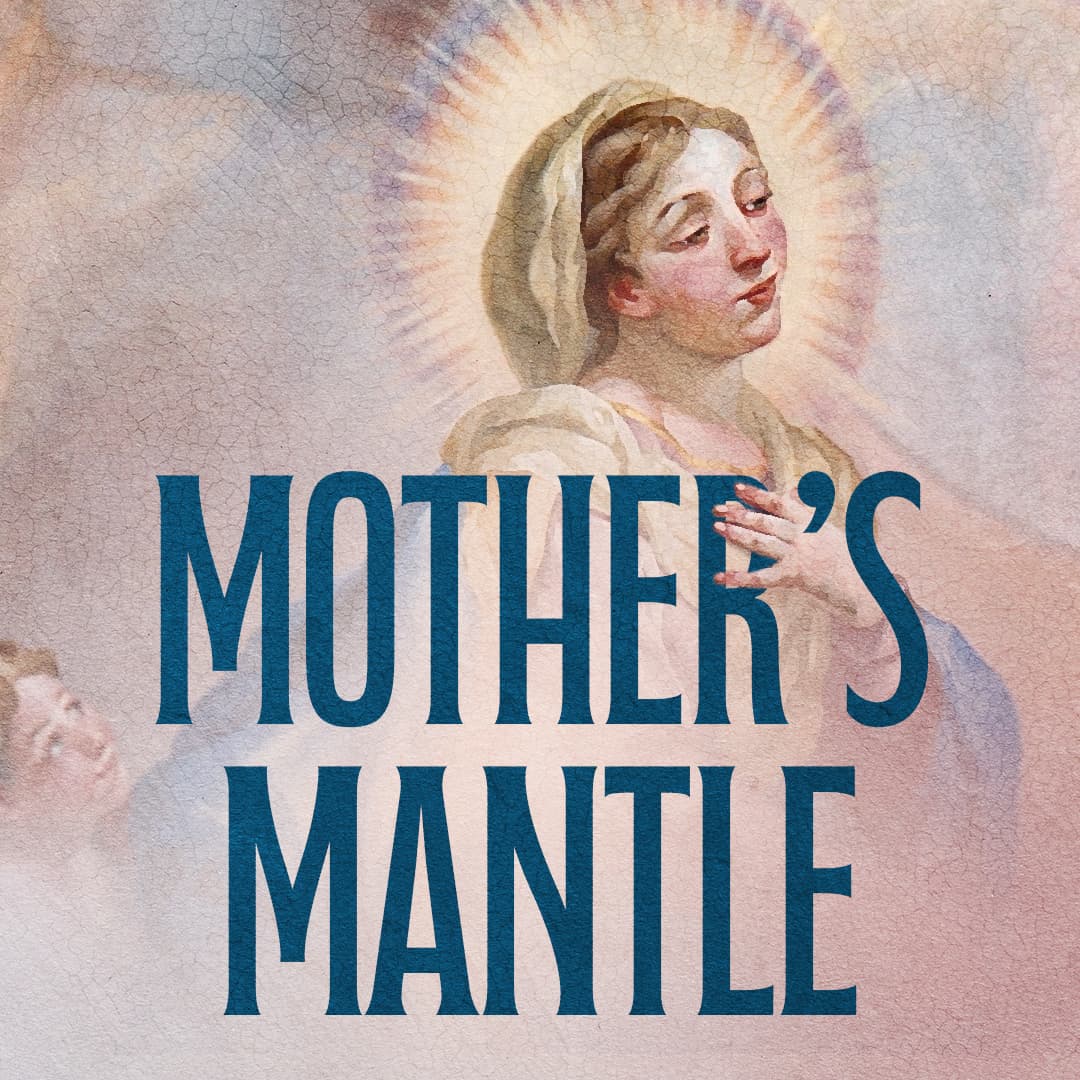
Paris, 1830. As the French capital was swept by the social tensions that would soon erupt into the July Revolution, an event destined to mark modern religious culture took place inside the convent of Rue du Bac. In a Europe that was rapidly redefining its relationship with the sacred, under the push of materialism and secularization, a young novice of the Daughters of Charity, Catherine Laboure, reported a series of visions. This episode did not present itself as a simple act of private piety, but as a symbolic and structured response to the challenges of a world seeking to assert its absolute autonomy.
Often in open contrast with traditional spiritual roots. The heart of this experience involves the presentation of a spiritual support tool for humanity. The Marian figure invited those present to come to the foot of the altar, assuring that graces would be generously poured out on anyone who asked for them with conviction.
During the vision, Catherine noticed brilliant rays shooting from the Virgin's fingers toward the earth. When she observed that some rays remained unlit, it was explained to her that they represented the graces people forget to ask for. At that moment, the design of the medal appeared, featuring the inscription, O Mary, conceived without sin, pray for us who have recourse to thee.
On the reverse side, the combination of the letter M, the cross, and the two hearts, one crowned with thorns and the other pierced by a sword, graphically summarized the unbreakable bond between sacrifice and participation in the plan of salvation.
The spread of the miraculous medal was immediate and massive, transforming into a mass phenomenon capable of transcending the boundaries of devotional practice to become an element of cultural identity. Historically, the medal has taken shape as a call to individual responsibility and the necessary mediation in an era of fragmented values. Its enduring popularity does not lie in a magical view of the object, but in its ability to convey a message of resilience and connection with the transcendent in the heart of the modern metropolis.
This symbol remains a testament to how the spiritual dimension can find direct and effective ways to dialogue with the complexities and anxieties of contemporary society.