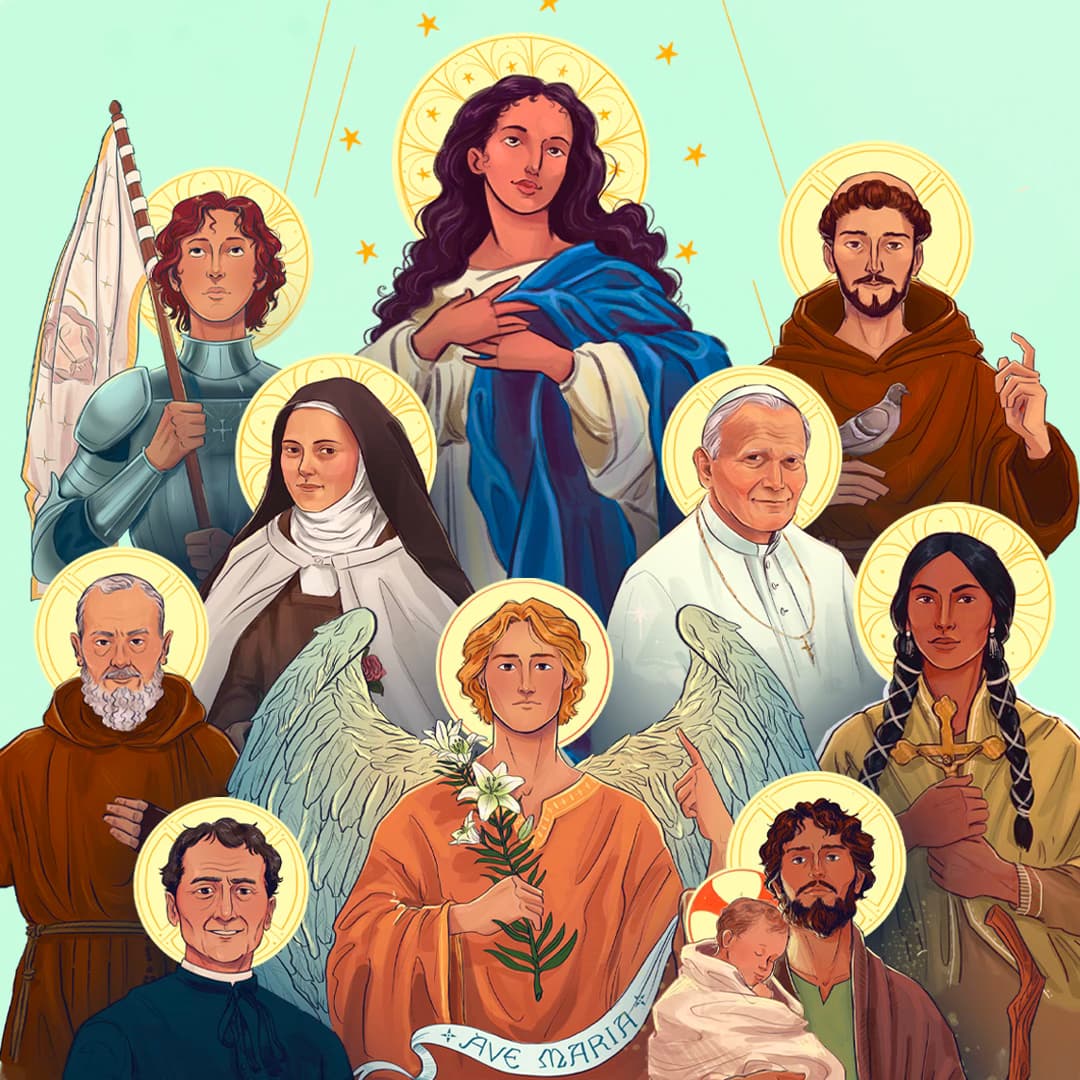
In this episode, we’ll explore the extraordinary life of Saint Gildas the Wise.
Transcript
Read the full transcriptAuto-generated · 739 words
Welcome, young history buffs and curious minds, to My Daily Saint, the podcast that digs deep into the incredible lives of the saints, those remarkable people who shaped history and continue to inspire us today. Forget dusty old portraits and boring stories. Today, we are traveling back to a time of swords, shields, and absolute chaos. We are heading to the Dark Ages, specifically the 5th and 6th centuries. Now, imagine a world where kings ruled with iron fists. Morals were, let's just say, optional, and speaking the truth could cost you your head.
In the middle of this wild timeline, one man stood up. He wasn't a warrior with a broadsword. He was a monk with a pen. And believe it or not, his pen was sharper than any sword in Britain. This is Saint Gildas the Wise. Why do they call him the Wise? Let's set the scene. Gildas was born into a British noble family, interestingly enough, while they were in Scotland.
The exact date is a bit of a mystery. Historians dispute the specifics, but it was likely somewhere around 450 to 500 AD. He wasn't just a rich kid who sat around the castle, though. He was sent to study in Wales. It is recorded that he studied in the company of many other people who are now canonized saints.
After finishing his education in Wales, Gildas moved to Ireland to join the priesthood. Once he was ordained, the history books tell us he moved back to the north of Britain. It is said that during this time in North Britain, Gildas performed many miracles. He made such an impact that the King of Ireland actually invited him to come back. So, Gildas made the journey to Ireland once again.
Gildas was a builder too. He spent his time building monasteries, but Gildas also had a writer's soul. He produced well-known writings that would go on to have a massive influence on the Catholic Church. After all that work and influence, Gildas sought a life of solitude. He wanted peace. He wanted quiet. He found a spot on the island of Huat. It was the perfect place for a hermit life, where he spent much of his time in prayer and studying.
It sounds relaxing, doesn't it? Just the ocean, the wind, and your books. But there's a problem with being a living saint. You attract a crowd. Once his secret hideout was made known, people sought him out. Realizing he couldn't just hide on a rock forever, he moved to the mainland and established a monastery in Roy's, Brittany, where he lived out the rest of his days. He died there in the year 570. Now, it was mentioned earlier that he had a sharp pen.
It was during this later time in his life that he wrote his most famous work. It was called the Epistle to the British Kings. This wasn't a thank you note. This was a call-out. In this letter, he critiqued the morals of the kings. In a time when kings could do whatever they wanted, Gildas looked at them and said, you need to do better. That is incredibly brave. Now, there are two different recorded accounts of his life, written by two different authors.
The catch? These were written in two different countries, multiple centuries after Gildas actually died. Because of this, there are discrepancies in the manuscripts, meaning many specific details of his life remain unconfirmed. However, by looking at the overlap between these two accounts, historians are confident that the major events we've talked about today are known facts. We live in a world that is loud. We have notifications, videos, music, and messages coming at us 24-7.
St. Gildas did great work in public. He stood up to kings and built communities. But remember where he went to recharge? He sought a life of solitude on the island of Hawat. He knew that to be wise, he needed quiet.
Find your own island of Hawat. Take just ten minutes today to unplug. No phone, no music. Just sit in silence, or prayer. It is often in that silence that we find the strength to do the loud things, like standing up for what is right, just like Gildas did. Thank you for joining us on My Daily Saint. We look forward to sharing another incredible story of faith and courage with you tomorrow.
More from My Daily Saint

Listen Next
September 26: The Troublesome Dominicans
The American Catholic Daily Reader Podcast
Women of Chivalry: The Genius of Courage
The Shield and the Cross
The Virgin of the Poor: Mary's Smile in the Cold of Banneux
Mother's Mantle
Hallowed Hollows: From Hidden Gems to Discovered Treasures
Hollows of the Faithful